

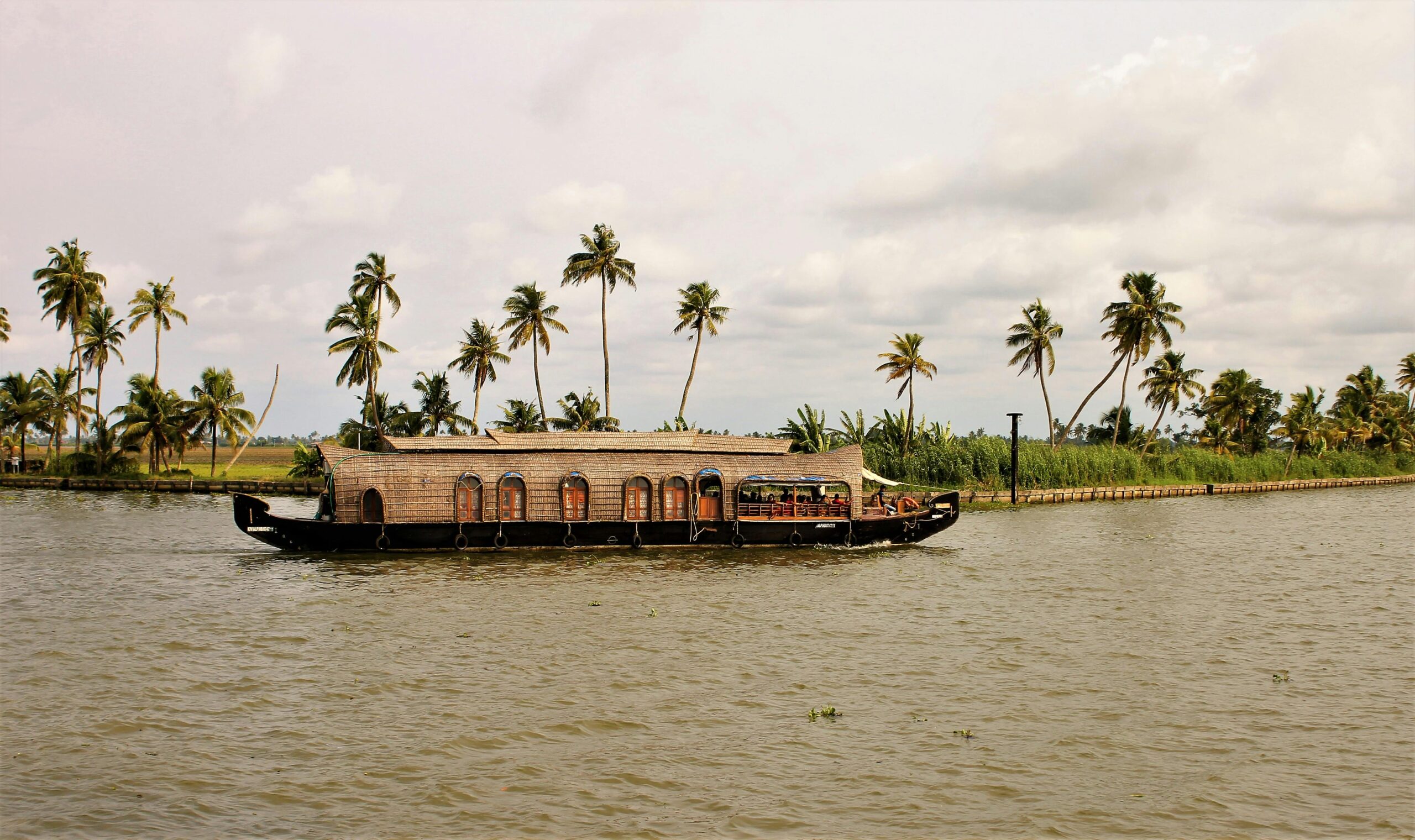
Sustainable Tourism in India through the numbers: growth trends, eco-travel demand, and future outlook
Introduction to Sustainable Tourism in India
Sustainable tourism in India has evolved from a niche concept into a national priority as environmental awareness and responsible travel gain momentum. Sustainable tourism focuses on minimizing environmental impact, preserving cultural heritage, and ensuring long-term economic benefits for local communities. In a country as ecologically and culturally diverse as India, adopting sustainable travel practices is no longer optional—it is essential.
As mass tourism puts increasing pressure on fragile ecosystems, eco-tourism in India is emerging as a viable solution. Travelers are actively seeking low-impact travel experiences, prioritizing eco-friendly accommodations, ethical wildlife tourism, carbon-neutral travel, and community-based tourism initiatives. This shift reflects a broader global movement toward conscious travel.
From the Himalayas and Western Ghats to deserts, forests, and coastlines, India offers vast opportunities for sustainable tourism development. Importantly, eco-tourism helps redirect tourist traffic from overcrowded hotspots to lesser-known rural and nature-based destinations, promoting balanced regional growth and conservation.
With support from government policies, private players, and local communities, India’s sustainable tourism ecosystem is poised for significant growth in 2026. Analyzing key numbers and trends offers valuable insight into how eco-travel is reshaping the future of Indian tourism.
India’s Rich Biodiversity and Protected Areas
India is one of the world’s 17 megadiverse countries, home to over 987 protected areas, including national parks, wildlife sanctuaries, and biosphere reserves. These protected regions form the backbone of eco-tourism and wildlife tourism in India, safeguarding endangered species while promoting responsible travel.
From Jim Corbett National Park and Kaziranga National Park to the Sundarbans and Periyar Wildlife Sanctuary, these areas play a dual role—conservation and sustainable economic development. Eco-tourism initiatives in protected areas educate visitors about biodiversity conservation while generating livelihoods for local communities through guiding, hospitality, and handicrafts.
Sustainable tourism models centered around biodiversity protection ensure that tourism revenue directly contributes to conservation efforts. As eco-conscious travel grows in 2025, protected areas will remain central to balancing tourism growth with environmental preservation.
Growth of Eco-Resorts in India
The rise of eco-resorts in India highlights the growing demand for sustainable accommodations. Industry estimates indicate that eco-resorts have grown by nearly 30% since 2018, with over 1,200 eco-resorts operational by 2023.
States such as Kerala, Uttarakhand, Himachal Pradesh, Goa, and Karnataka lead this growth, leveraging their natural landscapes to attract eco-travelers. These resorts emphasize green architecture, renewable energy, rainwater harvesting, organic food sourcing, and waste reduction practices.
Eco-resorts not only reduce environmental impact but also actively support conservation programs and community employment. As sustainability becomes a key decision factor for travelers, eco-resorts are expected to witness accelerated growth through 2026.
Tourist Footfall in Sustainable Destinations
Tourism trends show a clear shift toward eco-focused destinations in India. States such as Sikkim and Meghalaya have recorded strong growth in visitor numbers, driven by sustainable policies and nature-based experiences.
Sikkim has seen tourist arrivals rise steadily, with visitor numbers now exceeding pre-pandemic levels, supported by plastic bans, organic farming, and biodiversity conservation. Meghalaya has also recorded significant growth, attracting over 1.5 million visitors annually through eco-tourism initiatives, cultural experiences, and improved connectivity.
These trends indicate that sustainable destinations in India are likely to witness 10–15% annual growth through 2026, highlighting rising demand for responsible and environmentally conscious travel.
Visitor Demographics: Who Is Choosing Eco-Travel?
Data indicates that Millennials and Gen Z travelers dominate the sustainable tourism segment, accounting for nearly 70% of eco-travelers globally. These travelers prioritize environmental responsibility, authentic cultural experiences, and nature-based tourism.
European travelers contribute approximately 45% of eco-tourism demand, particularly from Germany, France, and Scandinavia.
North American travelers account for nearly 30%, reflecting growing environmental awareness.
Key motivations include:
Reducing environmental impact (65%)
Experiencing authentic local culture (50%)
Connecting with nature and wildlife (57%)
These insights highlight the need for targeted marketing and sustainable tourism products aligned with evolving traveler values.
Impact of Sustainable Tourism on Local Communities
Sustainable tourism delivers tangible benefits to local communities across India. Studies show that regions promoting eco-tourism have experienced up to 20% growth in household income, supporting education, healthcare, and infrastructure development.
Community-based tourism initiatives empower locals through skill development, entrepreneurship, and cultural preservation. In Kerala and coastal regions, traditional livelihoods such as fishing and handicrafts have been revitalized through eco-tourism partnerships.
However, challenges such as rising living costs and cultural dilution underline the importance of community-led tourism models. Inclusive planning and fair revenue distribution remain critical to ensuring long-term benefits.
Government Policies Supporting Eco-Tourism
The Ministry of Tourism has been allocated ₹2,541.06 crore for FY 2025–26, a sharp increase from ₹850.36 crore in FY 2024–25 (revised). The funding focuses on strengthening tourism infrastructure, improving connectivity, boosting domestic and international tourism, and developing 50 key destinations in partnership with states.
Key Focus Areas
-
Swadesh Darshan 2.0 and integrated tourism circuit development form the core of the sustainable tourism strategy.
-
Nearly ₹1,900 crore is dedicated to integrated circuit development, promoting responsible and sustainable tourism.
-
PRASHAD continues to receive support to enhance pilgrimage, cultural, and heritage destinations.
Overall Outlook
The 2025–26 tourism budget signals a strong push toward infrastructure-led, sustainable destination development, with greater emphasis on domestic tourism while overseas promotion remains limited.
Challenges Facing Sustainable Tourism in India
Despite positive momentum, sustainable tourism faces notable challenges:
Over-tourism in popular destinations exceeding local capacity by up to 50%
Environmental degradation and waste management issues
Inadequate infrastructure in remote regions
Weak enforcement of sustainability regulations
Addressing these challenges requires integrated planning, improved infrastructure, strict environmental norms, and traveler education.
The Future of Eco-Travel in India: 2026 Outlook
Looking ahead to 2026, eco-travel in India is projected to grow faster than conventional tourism. Wildlife tourism, wellness retreats, adventure tourism, and rural tourism are expected to drive demand.
Innovations in green transport, digital booking platforms, and sustainable hospitality will further accelerate growth. With strong collaboration between government, private stakeholders, and communities, India is well-positioned to become a global leader in sustainable tourism.
Conclusion
The data clearly indicates that sustainable tourism in India is set for robust growth in 2026. Eco-conscious travel is transforming destination development, strengthening community participation, and redefining how travelers connect with nature and culture.
By placing conservation, local livelihoods, and responsible travel at the forefront, India is well positioned to create a tourism model that delivers enduring economic value without sacrificing environmental balance. Sustainable tourism is no longer an emerging concept—it is the driving force shaping the present and future of India’s travel economy.