

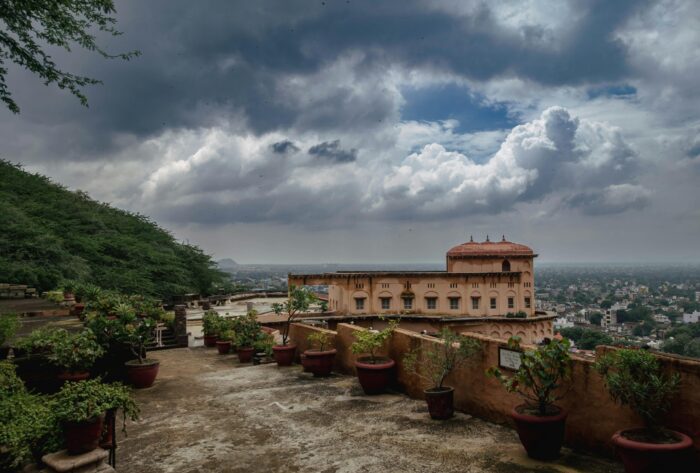
Discover the cheapest months to travel in India, top off-season destinations, and insider tips to find the best travel deals while avoiding peak-season crowds
Introduction to Off-Season Travel in India
Off-season travel in India has emerged as a smart and rewarding choice for budget-conscious travelers and experience seekers alike. In simple terms, the off-season refers to periods when tourist footfall is significantly lower compared to peak travel months. This drop is usually driven by factors such as extreme weather conditions, monsoons, or the absence of major holidays and school vacations.
In India, off-season travel typically occurs during the summer months (April to June) and the monsoon season (July to September), though the exact timing varies by region. While these months may seem less appealing at first glance, they offer unmatched advantages—from heavily discounted travel costs to quieter attractions and more authentic local interactions.
The true value of off-season travel lies in the depth of experience it offers. Fewer crowds allow travelers to explore iconic landmarks, cultural hubs, and natural landscapes at a relaxed pace. Hotels, airlines, and tour operators roll out attractive discounts, making it possible to enjoy premium experiences at a fraction of peak-season prices. Whether it’s exploring the palaces of Rajasthan, the backwaters of Kerala, or serene hill stations, off-season travel in India opens doors to hidden gems and meaningful journeys.
Understanding the Off-Season: When Does It Occur?
India’s off-season is not uniform across the country—it varies widely depending on geography and climate. Understanding regional weather patterns is key to planning affordable and enjoyable off-season trips.
Coastal Regions
In destinations like Goa, Kerala, and coastal Karnataka, the monsoon season from June to September is considered off-season. Heavy rainfall discourages mass tourism, leading to steep drops in hotel tariffs and flight prices. However, this period transforms the landscape into lush greenery and offers a peaceful atmosphere, ideal for wellness retreats, Ayurveda therapies, and cultural exploration.
Northern India and the Himalayas
For Himalayan destinations such as Himachal Pradesh, Uttarakhand, and parts of Kashmir, the off-season often falls during winter months (December to February). Snowfall can limit accessibility, but it also attracts travelers interested in snow sports, winter trekking, and scenic solitude.
Desert and Central India
Rajasthan and parts of central India experience their off-season during the intense summer months from April to June, when temperatures soar above 40°C. While the heat can be challenging, this is the cheapest time to explore historic forts, palaces, and desert landscapes without crowds.
Understanding these regional variations allows travelers to strategically plan trips that balance affordability, comfort, and unique experiences.
Key Reasons to Travel During the Off-Season
Significant Cost Savings
One of the biggest advantages of off-season travel in India is affordability. Hotels, resorts, and homestays often offer discounts of 30–60%, while airlines reduce fares to fill seats. Tour packages, sightseeing activities, and local transport also become more economical.
Fewer Crowds and Relaxed Exploration
Popular attractions that are usually crowded during peak seasons become calm and accessible. Travelers can enjoy monuments, beaches, and markets without long queues, allowing for better photography, deeper exploration, and stress-free sightseeing.
Authentic Cultural Experiences
With fewer tourists around, locals are often more open to meaningful interactions. Travelers can experience daily life, local cuisine, and traditions more authentically while supporting small businesses and family-run establishments.
Better Availability and Personalized Service
Off-season travel means greater availability of preferred accommodations and transport options. Hotels and service providers often go the extra mile to deliver personalized attention, upgrades, or complimentary services to attract guests.
Identifying the Cheapest Months for Travel in India
If budget travel is your priority, timing is everything. The cheapest months to travel in India are generally May, June, and September.
May and June
These peak summer months see a sharp decline in tourist numbers due to high temperatures. As a result:
Flight tickets are heavily discounted
Luxury hotels offer budget-friendly rates
Popular destinations become quieter and more accessible
Hill stations like Manali, Ooty, and Munnar remain comfortable and are excellent summer escapes.
September
September is a transition month when the monsoon begins to recede in many regions. This period offers:
Attractive post-monsoon hotel deals
Lush landscapes and pleasant weather
Fewer tourists compared to October peak season
Travelers should remain mindful of regional festivals, as local events can cause temporary price spikes.
Best Deals for Off-Season Travel: Where to Find Them
Finding the best off-season travel deals in India requires smart planning and the right resources.
Accommodation Deals
Platforms like Booking.com, Airbnb, OYO Rooms, and Agoda frequently offer exclusive off-season discounts. Booking in advance or opting for longer stays can unlock additional savings.
Flights and Transport
Online travel portals such as MakeMyTrip, Yatra, Cleartrip, and IRCTC provide competitive prices on flights and trains. Subscribing to newsletters and alerts helps travelers stay updated on flash sales and promo codes.
Tours and Activities
Websites like Klook and Viator offer discounted attraction tickets and guided tours during off-peak periods. Many hotels also bundle experiences into cost-effective packages.
Popular Off-Season Destinations in India
Rajasthan
Cities like Jaipur, Udaipur, and Jaisalmer are far more enjoyable during the off-season, with peaceful palaces, discounted heritage hotels, and intimate cultural experiences.
Kerala
Monsoon season turns Kerala into a green paradise. Ideal for Ayurvedic treatments, backwater cruises, and hill station retreats, Kerala offers some of its best deals from June to August.
Himachal Pradesh
Destinations such as Dharamshala, Kasol, and Manali are quieter during early summer and shoulder seasons, making them perfect for nature lovers and adventure seekers.
Kolkata
From June to September, Kolkata’s colonial architecture, cultural festivals, and food scene shine without the peak-season chaos.
Tips for Planning Your Off-Season Trip to India
Pack smart: Lightweight clothing for summer, waterproof gear for monsoons, and warm layers for hill regions
Monitor weather forecasts: Especially important during monsoon months
Prioritize safety: Choose reliable transport and accommodations, especially in remote areas
Respect local culture: Dress modestly and stay informed about regional customs and festivals
Proper planning ensures a smooth and rewarding off-season travel experience.
What to Expect: Weather and Activities During Off-Season
Off-season travel often brings weather extremes, but also unique opportunities. Summers are ideal for hill stations and wildlife safaris, while monsoons enhance scenic beauty and cultural festivities like Onam and Teej. Coastal and rural experiences feel more authentic, and adventure activities are often more accessible and affordable.
Conclusion: Embrace the Off-Season Adventures
Off-season travel in India is more than just a way to save money—it’s a chance to experience the country in a deeper, more meaningful way. From affordable luxury stays to crowd-free attractions and genuine cultural exchanges, the benefits are undeniable.
With careful planning and destination selection, travelers can uncover hidden gems, enjoy premium experiences at lower costs, and create unforgettable memories. If you’re seeking budget-friendly travel without compromising on richness and authenticity, off-season travel in India is the perfect choice. Embrace it, and let your journey be as rewarding as it is economical.