

Discover the best places to visit in Jaipur in 2026, from iconic forts and royal palaces to vibrant bazaars, cultural hotspots, and offbeat local experiences.
Jaipur, the capital of Rajasthan, stands as one of India’s most iconic travel destinations in 2026. Popularly known as the Pink City, Jaipur is celebrated for its terracotta-colored buildings, grand forts, royal palaces, vibrant bazaars, and rich cultural traditions. The city earned its nickname in 1876 when it was painted pink to welcome the Prince of Wales — a color symbolizing hospitality that continues to define Jaipur’s identity.
Founded in 1727 by Maharaja Sawai Jai Singh II, Jaipur was one of India’s earliest planned cities. Its grid-based layout, wide boulevards, and architectural brilliance reflect a fusion of Rajput, Mughal, and European influences. Today, Jaipur seamlessly blends royal heritage with modern urban energy, making it a must-visit destination for domestic and international travelers alike.
If you’re planning a Rajasthan trip, this Jaipur Travel Guide 2026 covers the top attractions, hidden gems, cultural experiences, shopping hubs, food recommendations, travel tips, and the best time to visit Jaipur.
Top Attractions in Jaipur
1. Amber Fort (Amer Fort)
One of the most famous tourist attractions in Jaipur, Amber Fort is a UNESCO World Heritage Site perched on the Aravalli Hills. Built in the late 16th century, the fort is known for its grand courtyards, mirror work in the Sheesh Mahal, and panoramic views of Maota Lake.
Why Visit:
Stunning Rajput architecture
Light and sound show in the evening
Photography opportunities at sunrise
Best Time to Visit: October to March
Tip: Visit early morning to avoid crowds.
2. City Palace
Located in the heart of Jaipur, the City Palace is a magnificent blend of Mughal and Rajasthani architecture. The complex houses museums, courtyards, royal costumes, and historic weapons.
Highlights:
Mubarak Mahal
Chandra Mahal
Iconic Peacock Gate
The City Palace remains partially occupied by Jaipur’s royal family, adding to its regal charm.
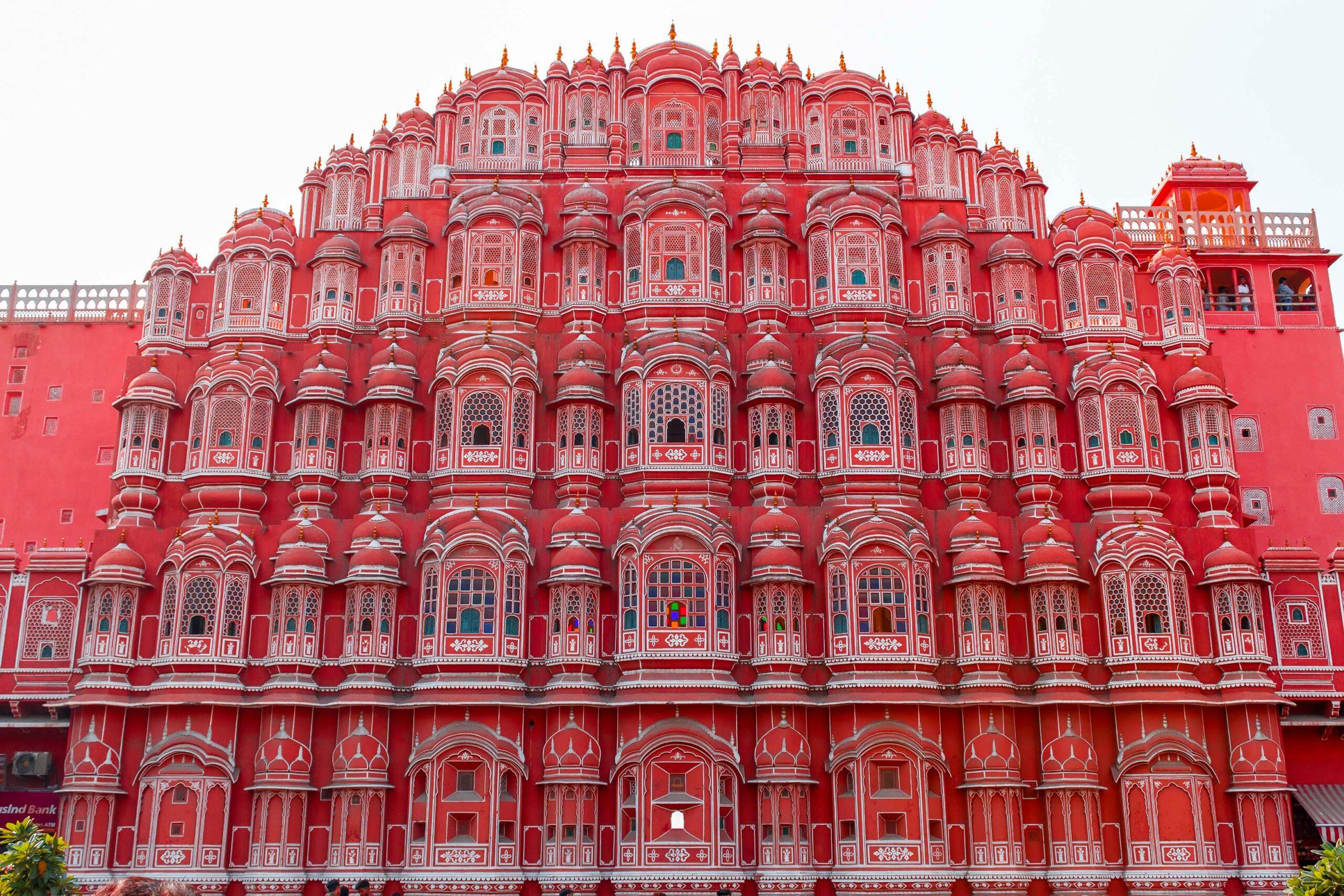
3. Hawa Mahal (Palace of Winds)
Built in 1799, Hawa Mahal is Jaipur’s most photographed landmark. With 953 small windows (jharokhas), it allowed royal women to observe street life while remaining unseen.
Pro Tip:
Visit at sunrise for the best photos as the pink sandstone glows beautifully in early light.
4. Nahargarh Fort
Overlooking the city, Nahargarh Fort offers one of the best sunset views in Jaipur. Built in 1734, it once served as a royal retreat.
Why It’s Special:
Stunning cityscape views
Café inside the fort
Perfect evening hangout spot
5. Jantar Mantar
A UNESCO World Heritage Site, Jantar Mantar is an 18th-century astronomical observatory featuring the world’s largest stone sundial. It showcases India’s scientific advancement during the Rajput era.
Hidden Gems in Jaipur
Beyond the popular landmarks, Jaipur is home to lesser-known treasures that offer unique experiences.
1. Panna Meena ka Kund
An ancient stepwell near Amer Fort, this symmetrical structure is perfect for architecture lovers and photographers. It remains relatively less crowded compared to major attractions.
2. Gaitore Ki Chhatriyan
A peaceful royal cremation ground featuring intricately carved cenotaphs of Jaipur’s former rulers. It offers a serene atmosphere away from tourist crowds.
3. Anokhi Museum of Hand Printing
Located near Amber Fort, this museum showcases Rajasthan’s traditional block-printing art. Visitors can even participate in printing workshops.
4. Ghat Ki Guni
A scenic valley featuring ancient temples and natural landscapes, ideal for travelers seeking offbeat places in Jaipur.
Cultural Experiences and Local Traditions
Jaipur’s cultural richness goes far beyond monuments.
Rajasthani Cuisine
Must-try dishes include:
Dal Baati Churma
Gatte ki Sabzi
Laal Maas
Ker Sangri
Ghewar (dessert)
For authentic experiences, visit traditional restaurants like Chokhi Dhani or explore local street food markets.
Festivals in Jaipur
If visiting during festival season, you can witness:
Teej Festival (monsoon celebration)
Diwali (Festival of Lights)
Jaipur Literature Festival (global literary event)
These events offer deep insight into Jaipur’s vibrant traditions.
Folk Music and Dance
Experience traditional Rajasthani performances like:
Ghoomar
Kalbeliya
Puppet shows
These art forms reflect centuries-old storytelling traditions.
Shopping in Jaipur: What to Buy
Jaipur is a paradise for shoppers.
Best Markets in Jaipur
Johari Bazaar – Famous for traditional Kundan and Meenakari jewelry
Bapu Bazaar – Textiles, mojris, handicrafts
Tripolia Bazaar – Lac bangles and brassware
Popular Souvenirs
Blue pottery
Block-printed fabrics
Handmade jewelry
Miniature paintings
Leather mojris
Tip: Bargaining is common in local markets.
Jaipur’s Culinary Scene in 2026
Jaipur’s food culture blends royal heritage with modern dining.
Street Food to Try
Pyaaz Kachori
Mirchi Bada
Samosa
Lassi
Fine Dining Options
Spice Court
The Rajput Room
Bar Palladio
From traditional thalis to global fusion cuisine, Jaipur offers diverse flavors for every traveler.
Travel Tips for Jaipur
Transportation
Tuk-tuks (auto-rickshaws) are affordable
Use Ola/Uber for convenience
Hire a local guide for heritage tours
Safety Tips
Avoid isolated areas at night
Keep belongings secure
Dress modestly at religious sites
Packing Essentials
Light cotton clothes (summer)
Warm layers (winter evenings)
Comfortable walking shoes
Sunscreen and reusable water bottle
Best Time to Visit Jaipur in 2026
The ideal time to visit Jaipur is between November and February, when the weather is cool and pleasant (20°C–25°C).
Seasonal Breakdown:
Winter (Nov–Feb): Best season for sightseeing
Summer (Mar–June): Extremely hot (above 40°C)
Monsoon (July–Sept): Lush landscapes but occasional heavy rain
For festivals and cultural events, January is particularly popular due to the Jaipur Literature Festival.
Why Jaipur Should Be on Your 2026 Travel List
Jaipur perfectly balances royal heritage, architectural brilliance, vibrant culture, and modern comforts. Whether you’re exploring majestic forts, shopping in colorful bazaars, savoring Rajasthani cuisine, or discovering hidden gems, the Pink City offers an unforgettable travel experience.
In 2026, Jaipur continues to evolve as a global tourism hub while preserving its royal legacy. For history lovers, culture enthusiasts, photographers, food explorers, and luxury travelers alike, Jaipur promises a journey filled with color, stories, and timeless charm.
If you’re planning a Rajasthan itinerary, make sure Jaipur is at the top of your list — because the Pink City isn’t just a destination, it’s an experience.