

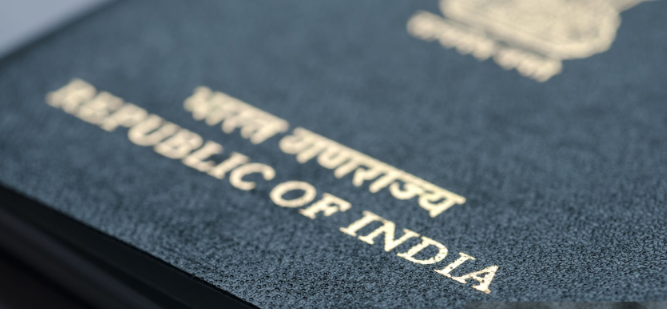
India’s Next-Gen E-Passport Revolution: How a Chip-Enabled Identity Is Preparing the Nation for Safer, Smarter Travel
India’s E-Passport Revolution
In recent years, India has been paving the way for a revolutionary shift in its passport system by introducing next-generation electronic passports, commonly referred to as e-passports. This initiative represents a significant upgrade in the country’s travel and identity management framework, addressing growing concerns around security, fraud prevention, and the overall efficiency of international travel processes. The implementation of these biometric passports signifies a proactive response to the increasing complexity and demand of global travel, particularly in a world where security threats continue to evolve.
The rationale behind the rollout of e-passports is anchored in enhancing the security features of travel documents. Traditional passports have inherent vulnerabilities that can be exploited, including forgery and identity theft. The biometric nature of e-passports allows for the incorporation of advanced technology such as microchips that store secure, encrypted data about the passport holder. This data includes facial recognition, fingerprints, and other biometric identifiers which not only streamline border control processes but also offer a robust verification mechanism against fraudulent activities.
Furthermore, the shift towards e-passports aligns with global best practices in travel and identification systems. Countries worldwide have embraced biometric technology to enhance their travel frameworks, making the transition crucial for India to maintain its competitive edge on the international stage. E-passports not only facilitate quicker processing times at immigration checkpoints but also contribute to safer travel experiences for citizens and international visitors alike. As the Indian government gears up to implement this next-generation passport system, it underscores a commitment to fostering a more secure and efficient travel environment that reflects the aspirations of a rapidly progressing nation.
Understanding Biometric E-Passports
Biometric e-passports represent a significant advancement in modern travel documentation, fundamentally enhancing the security, convenience, and speed of the border-crossing process. Unlike traditional passports, these next-generation travel documents incorporate an embedded Radio Frequency Identification (RFID) chip, which serves crucial functions that elevate their effectiveness. The RFID chip is designed to securely store a passenger’s personal information and biometric data, including digitized photographs and fingerprints, enabling more sophisticated verification methods.
The biometric capabilities of e-passports fulfill stringent international standards set by the International Civil Aviation Organization (ICAO). This compliance ensures that e-passports are not only secure but also recognized and accepted across various jurisdictions, thereby facilitating smoother travel experiences for passport holders. The integration of biometric data enhances identity verification processes at immigration checkpoints, significantly reducing the risk of identity fraud and unauthorized travel.
Moreover, the RFID chip functions effectively within proximity to specialized reading devices, allowing for quick access and verification of the passport holder’s identity. This technology minimizes physical contact between travelers and immigration staff, which has become increasingly important in light of global health considerations. Enhanced security features are complemented by additional safeguards, such as encrypted data and anti-tamper elements, that fortify the passport against potential counterfeiting attempts.
The incorporation of biometric details not only expedites the passport control procedure but also contributes to a more streamlined airport experience overall. With the ongoing evolution of technology, biometric e-passports stand at the forefront of innovative security measures aimed at ensuring a safer, smarter travel experience devoid of the vulnerabilities associated with traditional passports. As nations worldwide adopt this technology, travelers can anticipate a future where crossing borders is as effortless as it is secure.
Security Enhancements: Features of the E-Passport
In recent years, the evolution of e-passports has marked significant strides in travel security, particularly for nations such as India. The newly introduced e-passports incorporate multiple advanced security features designed to combat fraud and enhance the integrity of the passport system. One of the primary enhancements is the inclusion of interlocking microletters. These intricate characters provide a high level of detail that is difficult to reproduce, making it easier for border control agents to detect a counterfeit document.
Another notable feature is the application of relief tints. This innovation involves a combination of different printing techniques to create patterns that are perceptible to the touch. Relief tints not only serve an aesthetic purpose but also act as a deterrent against forgers. They add a unique quality to the document, providing an additional layer of complexity that is challenging for counterfeiters to replicate successfully.
Additionally, the use of colour-shifting inks represents a significant leap in security measures. These inks change color when viewed from different angles, enabling officials to conduct on-the-spot verification of the passport’s authenticity. The dynamic nature of these inks makes them incredibly difficult to mimic, thus severely limiting the ability of fraudsters to produce counterfeit documents.
Moreover, the e-passport is embedded with an electronic chip containing biometric information, including the passport holder’s photograph and fingerprints. This biometric data is encrypted and protected, ensuring that unauthorized access or manipulation is highly improbable. The integration of these features work collectively to create a robust security framework that not only minimizes impersonation and data alteration but also actively prevents passport counterfeiting.
As these enhancements unveil in India’s e-passports, travelers can expect a more secure and reliable documentation method, reinforcing the safety of international travel and trade.
The Transition from Traditional to E-Passports
The introduction of e-passports in India represents a significant milestone in the evolution of travel documentation. This transition from traditional passports to electronic passports is intended to enhance security, streamline the processing of travelers, and facilitate a more efficient travel experience. The Government of India has embarked on this initiative with the goal of modernizing its passport services in alignment with global standards.
For Indian citizens, the shift to e-passports will not be immediate, as the government has made provisions to ensure a smooth transition. Older, non-electronic passports will remain valid until their expiry. This decision provides citizens with a decade-long window to adjust to the new e-passport system. Such a phased approach ensures that travelers do not face disruptions in their travel plans while they adapt to the usage of electronic travel documents.
The e-passport features an embedded electronic microprocessor that stores the holder’s personal data and biometric information, making it more difficult to forge than traditional passports. Furthermore, the incorporation of enhanced security features aims to protect against identity theft, thereby providing peace of mind to travelers. This technological advancement not only benefits individual travelers but also improves overall national security by fostering more dependable verification processes at borders.
Citizens are encouraged to familiarize themselves with the new e-passport features and requirements, including application procedures and documentation. As the government launches awareness campaigns, it is essential for travelers to remain informed. This proactive approach will aid in addressing any queries or concerns regarding the e-passport system, ultimately leading to a more confident and efficient travel experience for all Indian citizens.
Passport Seva Programme 2.0: A Modern Identity Ecosystem
The Passport Seva Programme 2.0 represents a significant advancement in the realm of identity verification and passport issuance in India. Launched by the Ministry of External Affairs, this initiative aims to modernize the passport application process by creating a fully integrated ecosystem that enhances the overall experience for applicants. One of the cornerstone elements of this program is the introduction of e-passports, designed to streamline and secure the travel documentation process.
At the heart of the Passport Seva Programme 2.0 is the notion of linking various authorities involved in the passport issuance process. By fostering collaboration between government bodies, the program aims to minimize bureaucratic hurdles and improve service efficiency. This holistic approach not only simplifies the passport application experience but also strengthens inter-agency communication, ultimately resulting in reduced processing times and improved service delivery for citizens.
The deployment of e-passports under the Passport Seva Programme 2.0 also enhances the security features inherent in identity documents. These electronic passports are embedded with advanced biometric technologies, which include facial recognition and fingerprint scanning. Such innovations are critical in combatting identity fraud and ensuring that travel documentation remains secure and trustworthy. Moreover, the data contained within e-passports can be quickly verified at immigration checkpoints, allowing for expedited passage and a smoother travel experience.
As part of this modern identity ecosystem, the Passport Seva Programme 2.0 goes beyond merely issuing passports; it seeks to establish a comprehensive framework that protects the identity of Indians both domestically and abroad. By integrating state-of-the-art technology and forging partnerships across various sectors, this initiative not only revolutionizes the application process but also lays the foundation for a more secure and efficient future in travel documentation.
Impact on Travel: Improving Efficiency and Experience
The introduction of e-passports in India represents a significant leap forward in enhancing the travel experience for both domestic and international passengers. One of the most notable advantages is the reduction in wait times at airports. Traditional passport processing can often lead to lengthy queues and delays. However, with the implementation of biometric features and advanced scanning technology in e-passports, travelers can expect a quicker passage through immigration checkpoints. This efficiency not only improves the overall airport experience but also contributes to more streamlined operations for airlines and border control agencies.
In addition to expedited processing, e-passports facilitate smoother immigration checks. The digital information stored within the e-passport allows immigration officers to verify a traveler’s identity swiftly. Automated border control systems can read the biometric data, thereby minimizing human error and enhancing the security of each traveler. This automated verification process reduces the chances of fraud and improves safety, reassuring travelers that their personal information is well-protected.
Furthermore, the advent of contactless processing at airports is set to transform how travelers navigate through terminals. Many airports are beginning to adopt contactless technology, which enables passengers to present their e-passports for quick scanning without direct contact. This innovation not only decreases the potential spread of infectious diseases but also streamlines the entire boarding process, making travel more efficient and enjoyable. As e-passports gain prevalence, it is anticipated that more airports will implement these systems, leading to a more cohesive and enhanced travel infrastructure.
Ultimately, the e-passport initiative promises not only to improve the efficiency of travel but also to elevate the overall experience by reducing the stress associated with long waits and cumbersome procedures. As travelers embrace this cutting-edge technology, they can look forward to a more secure, smooth, and faster journey.
Global Standing: India’s Position in the E-Passport Landscape
India’s recent adoption of e-passports signifies a pivotal advancement in its travel documentation system, aligning the nation with a select group of countries already embracing biometric travel documents. This shift is not merely a technological upgrade; it reflects India’s aspirations to enhance its global standing in international travel and strengthen its security measures. Currently, nations such as the United States, Canada, and several European countries have successfully implemented e-passport systems, benefiting from the added security and streamlined travel processes.
By integrating biometric data into its passport system, India aims to fortify its border control and simplify verification processes, thus improving the overall travel experience for Indian citizens. The biometric features ensure that e-passports contain an embedded microchip that holds personal information and biometric identifiers, such as fingerprints or facial recognition data. This not only enhances identity verification at international borders but also minimizes the risks of identity theft and passport fraud. As countries worldwide are increasingly prioritizing security, India’s entry into the e-passport arena places it in wealthier company, potentially fostering closer international relations.
Moreover, India’s move is expected to boost its competitiveness in the global tourism sector. As travelers become increasingly aware of security protocols, countries with advanced e-passport systems often enjoy expedited processing at immigration points. This can lead to an enhanced visitor experience and may encourage more tourists to consider India as a travel destination. Being part of this movement allows India to portray itself as a country committed to modernizing its systems and ensuring traveler safety. As the global movement towards biometric travel documentation continues to expand, India’s participation may ultimately define its stature on the world stage, promoting not just national security but also international collaboration in addressing travel-related challenges.
Pilot Success: Lessons from Bhubaneswar and Nagpur
The pilot testing of the e-passport system in Bhubaneswar and Nagpur signified a crucial step towards modernizing India’s travel documents. Conducted over several weeks, these programs aimed to assess the functionality and viability of the next-generation e-passports, which are designed to enhance security and streamline the travel experience for Indian citizens. Several key lessons emerged from this testing phase, contributing valuable insights for the nationwide rollout.
One critical success factor was the seamless integration of biometric data within the e-passport framework. The pilots revealed that travelers responded positively to the streamlined verification processes made possible by smart technology. Using facial recognition and embedded electronic chips allowed for faster authentication compared to traditional manual checks. This indicated that the technology could significantly reduce wait times at immigration counters, enhancing overall passenger flow at airports.
However, the pilot programs were not without challenges. A few instances of technical glitches were reported, particularly related to the readability of the e-passport at certain control points. These issues raised concerns over system reliability, underscoring the importance of rigorous testing before national implementation. Additionally, public awareness concerning the features and benefits of e-passports was initially low; thus, educational campaigns are essential to prepare citizens for upcoming changes in travel documentation.
Through these pilot tests, a framework for addressing challenges was established, allowing stakeholders to refine operational protocols. Key recommendations from Bhubaneswar and Nagpur included increasing technical training for staff and implementing redundancy measures to ensure that systems remain functional under unexpected circumstances. Overall, the success of the pilot programs provided an optimistic outlook for the future of international travel within India, emphasizing the potential of e-passports to enhance security and user experience dramatically.
Conclusion: The Future of Travel with E-Passports
The advent of e-passports in India marks a significant milestone in modernizing travel and identity verification processes. This electronic passport system not only enhances security measures but also streamlines the travel experience for citizens. As we’ve explored, the incorporation of biometric data and advanced technology aims to reduce fraudulent activities, making international travel safer and more efficient. With the implementation of e-passports, travelers can expect shorter processing times at immigration checkpoints, which is particularly beneficial for those frequently traveling across borders.
Moreover, as India’s e-passport system matures, it is anticipated to influence government policies and international relations. Enhanced security features align with global standards set by the International Civil Aviation Organization (ICAO), facilitating smoother interactions with other nations’ border control systems. This compliance with international norms can also attract foreign investments and boost tourism, as countries are likely to perceive India as a safer destination for travelers.
Looking ahead, the continued evolution of e-passports will likely include further refinements, such as the integration of blockchain technology and artificial intelligence in processing and security checks. These advancements could pave the way for even more robust identity verification methods, reducing wait times and optimizing overall travel efficiency. Additionally, as the digital landscape evolves, there will be opportunities for adopting new technologies that could simplify the passport renewal process, making it more user-friendly.
In conclusion, the journey towards a comprehensive e-passport framework in India is just beginning. As this technology develops, it will not only reshape the experience of traveling but also redefine identity verification on a global scale. The potential benefits of e-passports extend beyond individual convenience, promising enhanced security and more cohesive international relations, setting a transformative precedent for future interactions in the travel arena.