

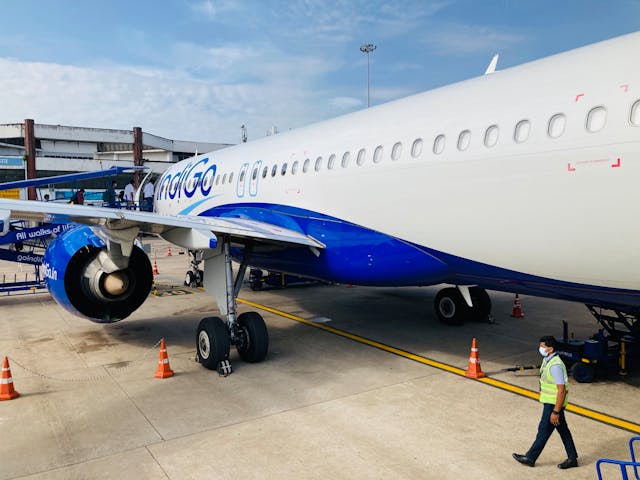
December 2025 brought an unexpected shock to India’s travel ecosystem. IndiGo, the country’s largest airline and the backbone of domestic aviation, slipped into a severe operational crisis that exposed deep structural gaps within the sector. With over 2,300 daily flights and a fleet of more than 400 aircraft, the airline’s sudden inability to manage crew schedules and maintain departures triggered widespread travel disruptions nationwide.
Thousands of passengers were stranded at major airports as flights were cancelled or experienced long, unexplained delays. The scale of disruption forced the government to step in, mobilise the Railways, and initiate a detailed inquiry into how India’s most reliable airline reached such a breaking point.
The Collapse of a System: What Went Wrong at IndiGo
At the heart of the crisis was a major shortage of pilots. New crew rest regulations, combined with planning lapses, created a situation where IndiGo could not operate a significant portion of its network. This ripple effect quickly escalated into one of the largest single-day cancellations in Indian aviation history, with over 1,000 flights halted.
The airline struggled to maintain its schedules, leading to:
-
Severe delays at all major airports
-
Long queues and overcrowded terminals
-
Confusion over flight timings
-
Limited communication to passengers
-
A sustained drop in on-time performance
IndiGo indicated that normal operations would take several days to restore, with full stabilization expected only around mid-December.
Railways Takes Charge: A Rare National-Level Backup Operation
As air travel capacity collapsed overnight, Indian Railways stepped in to absorb the massive increase in passenger demand. The Railways deployed extra coaches, introduced special services, and expanded capacity on high-demand routes to ensure mobility across the country.
Emergency measures implemented by Railways included:
-
116 additional coaches across 37 key trains
-
114 augmented trips between December 6–13
-
Special trains on priority routes like Delhi–Mumbai, Delhi–Bihar, and Delhi–Jammu
-
Increased capacity in Southern, Northern, Western, Eastern, and Northeast Frontier Railways
-
Additional AC, sleeper, and chair-car coaches on crucial corridors
This rapid coordination between the aviation and railway sectors helped stabilize national transport at a time when air connectivity was severely compromised.
Passengers Bear the Brunt: Losses and Frustrations Mount
The crisis created a wave of financial and emotional stress for travelers, many of whom had planned business meetings, medical appointments, family events, or international connections.
Common losses faced by passengers:
-
Sharp rise in airfares on other airlines—sometimes up to five times higher
-
Unplanned hotel stays due to overnight delays
-
Loss of non-refundable bookings like hotel packages, tourism services, and connecting flights
-
Additional expenses for food, transport, and rescheduling
Senior citizens, families with children, and differently-abled travelers were particularly affected by long waiting hours and lack of clear updates.
Economic Fallout: The Wider Impact on India’s Travel and Tourism Sector
A crisis of this scale does not remain confined to airports—it ripples through multiple segments of the economy.
1. Airlines and Aviation
-
Heavy financial losses from refunds and cancellations
-
Operational burden due to crew shortages
-
Higher congestion at airports
-
Disruption of cargo and logistics movement
2. Tourism and Hospitality
-
Declines in arrivals at tourist hotspots
-
Disruptions in business travel
-
Cancellations affecting hotels, event managers, taxis, and travel agencies
3. Railways and Public Infrastructure
-
Increased operational costs
-
Extra strain on manpower and rolling stock
-
Real-time coordination with aviation authorities
4. Ticket Price Inflation
Airfares on competing airlines skyrocketed, creating affordability issues and limiting travel for thousands of passengers.
Government Response: Containing a National-Level Disruption
Recognizing the seriousness of the situation, the government initiated several measures to stabilize operations:
Immediate steps included:
-
Formation of a four-member committee to investigate the root cause
-
Mandate to IndiGo to restore schedules and improve passenger communication
-
Setting up a 24×7 control room to monitor the situation
-
Instructions for automatic refunds for cancelled flights
-
Relaxation of certain regulatory norms to allow qualified DGCA pilots to temporarily operate IndiGo flights
These interventions highlighted the need for stronger operational discipline and better contingency planning within the aviation sector.
A Future of Integrated Mobility: Lessons from the Crisis
The IndiGo disruption underscored how vulnerable India’s aviation system can be when faced with internal shocks. It also demonstrated the strength of the Railways as a national safety valve.
Key lessons for the future:
-
Airlines need larger standby crew pools and stronger rostering systems.
-
Passenger communication must be more transparent and timely.
-
Regulatory bodies may introduce stricter monitoring of operational planning.
-
Collaboration between aviation and rail networks can act as a national mobility safeguard during emergencies.
-
Fare regulation during crises may be necessary to prevent unfair price surges.
Conclusion: A Wake-Up Call for India’s Transport Ecosystem
The IndiGo crisis was not merely an airline problem—it exposed the interconnected nature of India’s travel infrastructure. While the Railways’ swift response prevented a complete mobility breakdown, the aviation sector must now reflect, reform, and rebuild confidence.
As India aspires to become a global aviation hub, the focus must shift from rapid expansion to robust planning, safety nets, and strong coordination across all transport networks. Only then can the country ensure that an internal crisis in one sector does not derail the travel plans—and financial stability—of millions.