

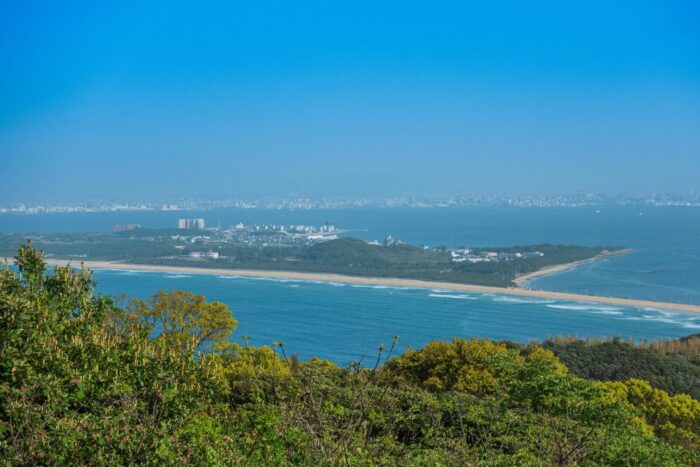
Feb 28: Japan has long been associated with global cities like Tokyo and Osaka. However, in recent years, Fukuoka has quietly emerged as one of the country’s most dynamic urban success stories. Once known primarily for its coastal charm and culinary culture, Fukuoka is now recognised as a leading startup hub in Japan and a rapidly growing business travel destination in Asia.
Blending innovation, government-backed startup incentives, smart city planning, and vibrant cultural appeal, Fukuoka is transforming into a city where entrepreneurship and tourism thrive together.
Fukuoka Startup Hub: Japan’s Innovation Gateway
Fukuoka has strategically positioned itself as Japan’s most startup-friendly city. Under special economic reforms, the city introduced regulatory relaxations and visa programs designed to attract global entrepreneurs.
The Fukuoka startup hub initiative offers:
- Startup visas for foreign founders
- Corporate tax incentives
- Simplified business registration processes
- Access to coworking spaces and innovation centers
- Strong local government support
As a result, Fukuoka has become a magnet for tech startups, fintech innovators, and digital entrepreneurs looking to establish a presence in Asia.
Its proximity to major Asian cities such as Seoul, Shanghai, and Taipei also makes it geographically strategic for companies expanding into the region.
Smart City Japan: Urban Innovation in Action
Fukuoka is often cited as a model for smart city Japan initiatives. The city integrates technology into urban planning, mobility, and sustainability projects.
Key developments include:
- Smart traffic management systems
- Sustainable waterfront redevelopment
- Energy-efficient commercial buildings
Digital public services
Advanced disaster management systems
Urban innovation enhances both quality of life and business efficiency. For corporate travelers and investors, this modern infrastructure signals stability, forward-thinking governance, and long-term growth potential.
Business Travel Asia: Why Fukuoka Is Gaining Attention
As Asia’s business landscape diversifies beyond traditional capitals, Fukuoka is increasingly attracting executives, venture capitalists, and conference organizers.
The city benefits from:
Direct international connectivity via Fukuoka Airport
- Modern conference facilities
- Efficient public transport systems
- A safe, clean, and compact urban layout
Unlike larger metropolitan areas, Fukuoka offers convenience. Business districts, hotels, cultural sites, and waterfront spaces are all within close proximity, making it ideal for short corporate visits and networking events.
With Asia-Pacific trade and technology sectors expanding, Fukuoka’s role in business travel Asia continues to strengthen.
Japan Emerging Travel Destination: Beyond Business
While innovation drives economic growth, Fukuoka’s cultural appeal plays an equally important role in its rising global profile.
The city offers:
- Scenic waterfront views
- Historic temples and shrines
- Renowned Hakata ramen culture
- Seasonal festivals
- Coastal day trips
Fukuoka’s relaxed atmosphere contrasts with the fast-paced intensity of Tokyo, making it attractive for travelers seeking both productivity and leisure.
Tourists exploring Japan’s lesser-known destinations are increasingly adding Fukuoka to their itineraries. This shift is contributing to Japan’s broader strategy of promoting regional tourism growth.
Startup Ecosystem + Tourism Economy Growth
The unique strength of Fukuoka lies in the synergy between its startup ecosystem and tourism economy.
Here’s how they complement each other:
Global Talent Attraction
Entrepreneurs relocating to Fukuoka bring international networks, boosting hospitality demand and long-term stays.
Conference & Event Tourism
Startup expos, tech summits, and innovation forums increase inbound business travel.
Urban Revitalization
Investment in coworking hubs and mixed-use developments enhances the city’s overall infrastructure.
Brand Positioning
Being recognized as a startup-friendly city elevates Fukuoka’s global visibility, attracting leisure travelers curious about emerging innovation hubs.
This dual growth model positions Fukuoka as more than just a tech city — it is becoming a sustainable urban ecosystem.
Infrastructure & Waterfront Development
Fukuoka’s waterfront redevelopment projects have reshaped its skyline. Modern commercial complexes blend with public spaces, creating an environment conducive to both business meetings and leisure experiences.
Smart urban design ensures:
- Walkable districts
- Accessible transport links
- Green public areas
- Integrated commercial hubs
Such infrastructure planning strengthens investor confidence and enhances the overall travel experience.
Why Fukuoka Stands Out in 2026
In an era where global businesses seek agility and efficiency, Fukuoka offers:
Lower operational costs compared to Tokyo
Government-backed startup support
Strong digital infrastructure
High quality of life
Strategic Asian connectivity
As companies rethink expansion strategies across Asia, mid-sized innovation cities like Fukuoka are gaining preference over overcrowded megacities.
The Future Outlook
Japan’s commitment to decentralizing economic growth beyond Tokyo supports Fukuoka’s continued expansion. The city’s blend of smart governance, entrepreneurial support, and cultural richness creates a balanced growth trajectory.
With increasing international awareness, Fukuoka is likely to attract:
More venture capital investment
International startup relocations
Global tech conferences
Leisure travelers exploring new Japanese destinations
Final Thoughts
Fukuoka represents a new model for urban success in Asia — one where innovation fuels tourism, and cultural identity strengthens business appeal.
As a rising Fukuoka startup hub, a leader in smart city Japan initiatives, and a growing player in business travel Asia, the city is redefining what it means to be a global travel magnet.
For investors, entrepreneurs, and travelers alike, Fukuoka is no longer just an emerging city — it is a destination where opportunity meets experience.