

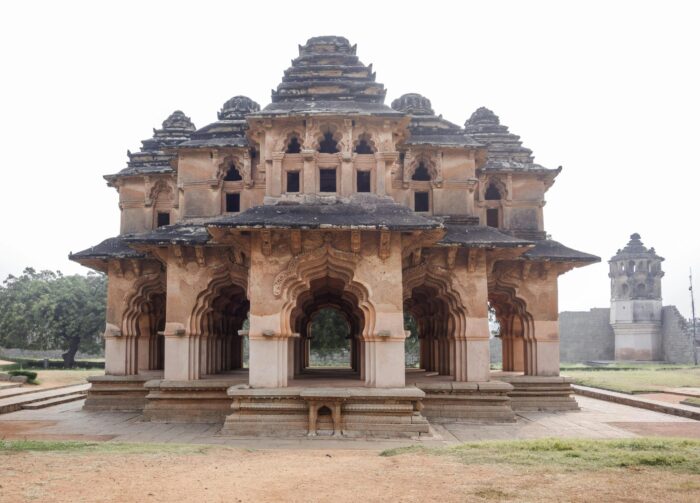
Explore Hampi, Karnataka—ancient temples, UNESCO heritage sites, and stunning landscapes make it a must-visit travel destination in India
Introduction to Hampi: A Historical Overview
Hampi, located in the southern Indian state of Karnataka, is one of the most extraordinary heritage destinations in the world. Once the magnificent capital of the Vijayanagara Empire (14th–17th century), Hampi was among the wealthiest and most powerful cities of its time. Traders from Persia, Portugal, and beyond flocked here, drawn by its thriving economy, religious importance, and architectural brilliance.
Today, Hampi stands as a sprawling open-air museum, where history is etched into massive granite temples, royal enclosures, ancient markets, and sacred monuments. The city’s architecture reflects classic Dravidian design, marked by towering gopurams (gateway towers), intricately carved pillars, expansive courtyards, and detailed sculptures depicting mythology, rituals, and daily life.
Declared a UNESCO World Heritage Site in 1986, Hampi is uniquely framed by boulder-strewn hills, palm groves, and the serene Tungabhadra River. This rare blend of dramatic landscapes and ancient ruins makes Hampi one of India’s most captivating travel destinations for history lovers, spiritual seekers, photographers, and adventure enthusiasts alike.
UNESCO World Heritage Site: Significance and Recognition
Hampi earned its UNESCO World Heritage status due to its outstanding universal value and exceptional representation of the Vijayanagara Empire’s urban planning, architecture, and cultural traditions. The site satisfies UNESCO’s criteria for showcasing a masterpiece of human creative genius and for representing a significant cultural tradition that flourished between the 14th and 16th centuries.
Monuments such as the Virupaksha Temple, Vittala Temple Complex, royal pavilions, water management systems, and bazaars demonstrate remarkable engineering precision and artistic excellence. Hampi’s rugged topography, dominated by massive granite boulders, further enhances its historical and aesthetic significance.
However, UNESCO recognition also brings responsibility. The preservation of Hampi faces challenges from natural erosion, tourism pressure, and environmental factors. Sustainable tourism and conservation efforts are essential to protect this irreplaceable legacy, ensuring that future generations continue to learn from and admire one of India’s greatest archaeological treasures.
Must-See Temples in Hampi
Virupaksha Temple
The Virupaksha Temple, dedicated to Lord Shiva, is the spiritual heart of Hampi and one of the oldest functioning temples in India. Its towering 50-meter gopuram dominates the skyline, while the interiors reveal exquisitely carved pillars, ancient murals, and sacred halls where daily rituals continue uninterrupted for centuries.
Vittala Temple Complex
The Vittala Temple is Hampi’s most iconic monument, famous for its stone chariot and legendary musical pillars that resonate with different notes when gently tapped. Dedicated to Lord Vishnu, this architectural masterpiece reflects the peak of Vijayanagara craftsmanship and is a highlight for every visitor.
Jain Temples of Hampi
Hampi also houses several ancient Jain temples, including the Choisikara Temple, which reflect the region’s religious diversity. These temples are known for their serene ambiance, minimalistic elegance, and detailed inscriptions that offer insights into Jain philosophy and history.
Exploring the Breathtaking Landscapes of Hampi
Beyond its monuments, Hampi is celebrated for its surreal natural beauty. The landscape is defined by dramatic granite hills, vast open plains, lush rice paddies, and the gently flowing Tungabhadra River.
The boulder-strewn terrain offers incredible viewpoints, especially during sunrise and sunset, when the rocks glow in shades of gold and crimson. The riverbanks provide peaceful spots for relaxation, boating, and reflection, while the surrounding countryside offers scenic trails for walking and cycling.
This harmonious blend of history and nature makes Hampi a rare destination where ancient ruins coexist seamlessly with untouched landscapes.
Cultural Experiences: Festivals and Local Traditions
Hampi’s cultural life is deeply rooted in tradition and celebration. The most prominent event is the Hampi Utsav, held annually in January, which commemorates the grandeur of the Vijayanagara Empire through classical dance, folk music, art exhibitions, and cultural performances staged amid illuminated ruins.
Festivals such as Navaratri and Vijaya Dashami are celebrated with religious rituals, community gatherings, and vibrant processions, reflecting the enduring spiritual traditions of the region. Agricultural and harvest festivals further highlight the close connection between local life, nature, and heritage.
Adventure Activities in Hampi
Hampi is also a haven for adventure seekers.
Trekking: Popular trails include Anjaneya Hill and Matanga Hill, offering panoramic views of the ruins and river.
Rock Climbing & Bouldering: Hampi is internationally known for bouldering, attracting climbers from around the world.
Cycling: Exploring Hampi by bicycle allows travelers to navigate ruins, villages, and landscapes at a relaxed pace.
These activities provide a dynamic way to experience Hampi beyond its historical monuments.
Authentic Cuisine: What to Eat in Hampi
Hampi’s cuisine reflects traditional South Indian flavors and local agricultural practices. Must-try dishes include:
Bisibele Bath – a flavorful rice and lentil dish with vegetables and spices
Ragi Mudde – nutritious finger millet balls served with sambar or curry
Mysore Pak – a rich ghee-based sweet
Banana chips and local snacks from roadside eateries
Small village cafés and local huts often serve freshly prepared meals using locally sourced ingredients, offering an authentic and immersive dining experience.
Practical Travel Tips for Visiting Hampi
Best Time to Visit: November to February (pleasant weather for sightseeing)
How to Reach: Nearest railhead is Hospet; well-connected to major cities
Accommodation: Options range from luxury resorts to budget guesthouses
Ideal Duration: 2–3 days for a relaxed and comprehensive visit
Safety Tips: Stay hydrated, safeguard belongings, and avoid isolated areas after dark
Conclusion: The Enduring Charm of Hampi
Hampi is more than a destination—it is a journey through time. From awe-inspiring temples and UNESCO-protected ruins to dramatic landscapes and vibrant cultural traditions, Hampi offers a deeply enriching travel experience. Whether you are a history enthusiast, spiritual explorer, adventure lover, or nature admirer, Hampi leaves an indelible impression that lingers long after the journey ends.
A visit to Hampi is an invitation to walk among legends, connect with ancient civilizations, and witness the timeless beauty of one of India’s most extraordinary heritage sites.