

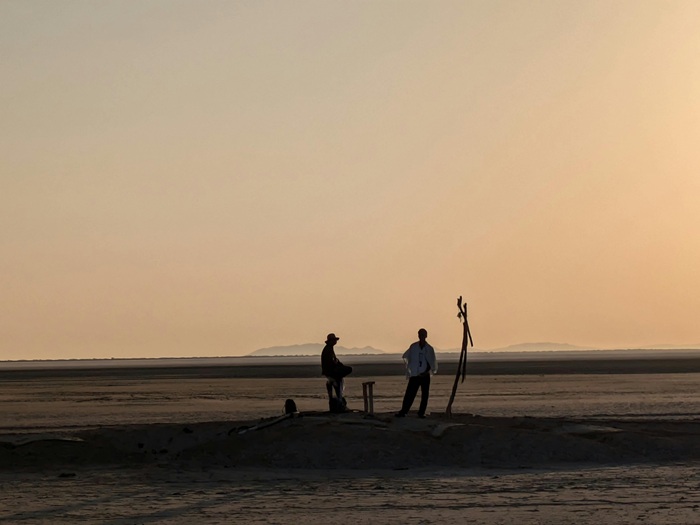
Explore the architectural brilliance, advanced urban planning, and cultural legacy of Dholavira and Rakhigarhi—two iconic Indus Valley Civilization sites that reveal India’s rich ancient history
Introduction: Tracing India’s Earliest Urban Heritage
India is home to one of the world’s most sophisticated ancient cultures—the Indus Valley Civilization, also known as the Harappan Civilization. Flourishing between 2600 BCE and 1900 BCE, this civilization laid the foundations of organized urban life long before many parts of the world. Among the hundreds of archaeological sites discovered so far, Dholavira in Gujarat and Rakhigarhi in Haryana stand out for their scale, planning, and historical importance. For history lovers, researchers, and cultural explorers, these two sites offer an immersive journey into India’s prehistoric brilliance.
Understanding the Indus Valley Civilization
The Indus Valley Civilization was spread across present-day India, Pakistan, and Afghanistan, making it one of the largest ancient civilizations in the world. It was characterized by:
Well-planned cities with grid layouts
Advanced drainage and sanitation systems
Standardized bricks and weights
Flourishing trade networks
Skilled craftsmanship in pottery, beads, and metallurgy
Dholavira and Rakhigarhi represent two distinct yet complementary expressions of this civilization—one highlighting environmental adaptation and engineering excellence, the other revealing urban scale and human continuity.
Dholavira: Engineering Genius in a Harsh Landscape
Geographic Setting and Discovery
Dholavira is located on Khadir Island in the Great Rann of Kutch, Gujarat—an area marked by extreme climatic conditions, seasonal rainfall, and scarce freshwater sources. Discovered in 1967 and extensively excavated by the Archaeological Survey of India, Dholavira offers unparalleled insight into how ancient civilizations thrived in challenging environments.
Urban Planning and City Structure
Unlike many Harappan sites, Dholavira was divided into three clearly defined sections:
Citadel (administrative and ceremonial area)
Middle Town (elite residential zone)
Lower Town (common residential and commercial area)
This hierarchical planning indicates a structured social system and effective governance.
Revolutionary Water Management System
One of Dholavira’s most celebrated achievements is its sophisticated water conservation system. The city featured:
Large stone-lined reservoirs
Rainwater harvesting channels
Dams and embankments to store seasonal runoff
These innovations demonstrate an advanced understanding of hydraulics, sustainability, and urban resilience—concepts that remain relevant even today.
Cultural and Linguistic Significance
Dholavira is famous for the discovery of a large signboard with Indus script, made of gypsum inlayed symbols. This is considered one of the earliest examples of public signage, suggesting a strong emphasis on communication, identity, and possibly administration.
UNESCO World Heritage Recognition
In 2021, Dholavira was declared a UNESCO World Heritage Site, acknowledging its universal value and outstanding contribution to understanding early human civilization.
Rakhigarhi: The Heart of Harappan Civilization in India
Location and Historical Importance
Rakhigarhi lies in Haryana’s Hisar district, along the ancient course of the Drishadvati River. It is widely regarded as the largest known Indus Valley site in India, covering a vast area with multiple archaeological mounds.
Scale and Urban Expansion
What makes Rakhigarhi exceptional is its sheer size. Excavations reveal:
Extensive residential areas
Industrial zones
Public structures and streets
The city’s scale indicates a dense population and a thriving economy, placing Rakhigarhi at the core of Harappan urban development.
Insights into Daily Life
Artifacts unearthed at Rakhigarhi paint a vivid picture of everyday life in ancient times:
Pottery with intricate designs
Ornaments made of shell, gold, and semi-precious stones
Tools and implements for agriculture and trade
Terracotta figurines reflecting cultural and religious practices
Human Remains and Genetic Studies
One of the most significant contributions of Rakhigarhi to modern research comes from human skeletal remains. DNA studies conducted on these remains have helped scholars better understand:
Population origins
Migration patterns
Genetic continuity in the Indian subcontinent
These findings have reinforced the indigenous roots of the Indus Valley Civilization.
Comparing Dholavira and Rakhigarhi
While both sites belong to the same civilization, they highlight different strengths:
Dholavira showcases architectural innovation, water engineering, and climate adaptation.
Rakhigarhi emphasizes urban scale, population density, and cultural continuity.
Together, they provide a comprehensive understanding of how diverse and adaptable the Indus Valley Civilization truly was.
Trade, Economy, and Cultural Exchange
Both Dholavira and Rakhigarhi were part of an extensive trade network connecting regions across South Asia and beyond. Archaeological evidence suggests trade in:
Beads and jewelry
Pottery and textiles
Metals like copper and bronze
These connections linked the Indus Valley with Mesopotamia, Central Asia, and coastal regions, making it a global civilization of its time.
Why History Lovers Should Explore These Sites
Visiting Dholavira and Rakhigarhi is not just about observing ruins—it is about experiencing the origins of urban life in India. These sites allow travelers to:
Walk through ancient city layouts
Understand early governance and social organization
Appreciate sustainable living practices developed thousands of years ago
For students, scholars, and heritage enthusiasts, these locations offer invaluable educational and cultural experiences.
Preservation and the Future of India’s Ancient Civilizations
As modern development expands, protecting archaeological heritage has become more important than ever. Continued excavation, conservation efforts, and responsible tourism are essential to ensure that Dholavira and Rakhigarhi remain preserved for future generations.
Conclusion: A Journey into India’s Timeless Past
Dholavira and Rakhigarhi stand as powerful reminders of India’s ancient ingenuity and cultural depth. They challenge outdated notions of early civilizations and reaffirm India’s role as a cradle of advanced urban life. For anyone passionate about history, archaeology, or heritage travel, exploring these ancient cities is a journey through time—one that reveals the enduring legacy of the Indus Valley Civilization.