

From Waste to Wealth: Unlocking the Economic Potential of E-Waste Management
Introduction to E-Waste Management
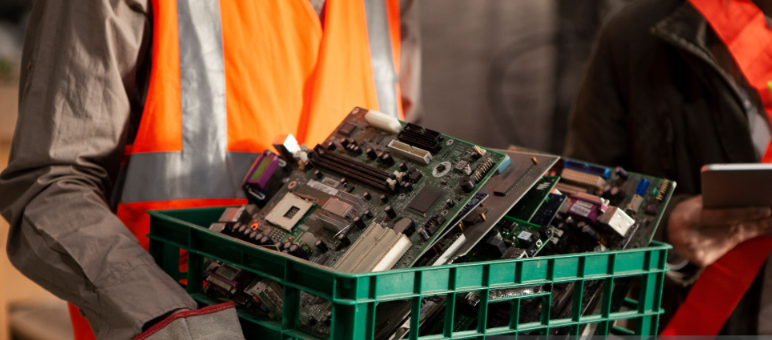
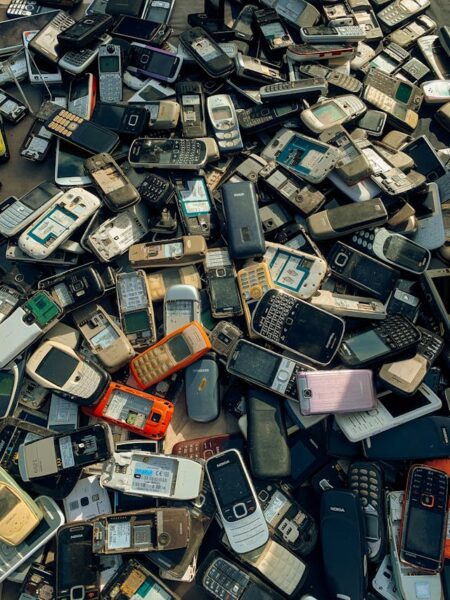
E-waste management refers to the processes involved in the recycling, disposal, and treatment of electronic waste, which encompasses discarded electrical and electronic devices. As technology evolves and becomes more integrated into daily life, the volume of e-waste generated globally has surged, leading to significant environmental challenges. This growing accumulation of electronic devices, such as computers, mobile phones, and appliances, presents a unique dilemma regarding their end-of-life disposal. Proper e-waste management is crucial for mitigating the adverse effects associated with improper disposal, which can lead to toxic pollution and environmental degradation.
The significance of e-waste management lies not only in environmental conservation but also in the potential economic benefits it offers. When electronics are disposed of irresponsibly, hazardous materials like lead, mercury, and cadmium can leach into the soil and water sources, posing health risks to communities and ecosystems. Conversely, the proper recycling and repurposing of e-waste can recover precious metals and other valuable materials, thereby transforming what is often viewed as waste into a source of wealth. This transition from waste to wealth highlights the necessity for effective e-waste management strategies that prioritize environmental safety while tapping into economic opportunities.
In today’s technological landscape, where rapid innovation often leads to quick obsolescence, the management of electronic waste is of paramount importance. By embracing sustainable practices, businesses and individuals can support a circular economy that reduces the demand for raw materials and minimizes the ecological footprint. Ultimately, recognizing the potential of e-waste management can drive policies and initiatives that evolve alongside technological advancement. This approach not only protects the environment but also fosters economic growth through the development of a robust recycling and resource recovery industry.
The Economic Value of E-Waste
E-waste, or electronic waste, represents a rapidly growing segment of global waste, containing a plethora of valuable materials. Among these materials are metals such as gold, silver, copper, and rare elements like lithium. The recovery of these resources from end-of-life electronic products not only supports environmental sustainability but also offers substantial economic benefits. In fact, the extraction and recycling of these materials can add significant value to national economies, particularly for countries like India.
The economic potential of e-waste recovery is underscored by the presence of precious metals. For instance, it has been estimated that one metric ton of e-waste can yield approximately 30 to 40 times more precious metals than a similar amount of gold ore. This highlights not only the richness of e-waste but also the untapped opportunity for revenue generation. By investing in advanced e-waste recycling technologies, India could save billions in foreign exchange by reducing its dependence on imported metals and minerals.
Moreover, the value derived from e-waste management extends beyond direct monetary gains. Recycling these materials enhances resource efficiency and mitigates environmental impacts associated with mining and production. As India aims to boost its economy and achieve self-sufficiency in critical resources, focusing on the recovery of precious metals from electronic waste becomes increasingly important.
Furthermore, the government and private sectors can collaborate to create robust frameworks for e-waste management, encouraging responsible disposal and increasing public awareness about recycling benefits. Strategically recovering these valuable materials not only positions India as a leader in sustainable practices but also helps navigate the challenges posed by fluctuating global commodity markets. By the year 2030, transitioning to a circular economy through effective e-waste management could significantly enhance India’s economic landscape, reducing its reliance on imports and promoting domestic industries.
Creating Green Jobs through E-Waste Recycling
The growing challenge of electronic waste (e-waste) has prompted a reevaluation of waste management strategies globally, with e-waste recycling emerging as an avenue for job creation and economic growth. By establishing formal e-waste recycling systems, communities can directly engage in sustainable practices while simultaneously generating a range of employment opportunities. Positions can be found in various sectors, including collection, dismantling, and material recovery, forming a comprehensive job network that benefits both the environment and the local economy.
Successful initiatives, such as Delhi’s integrated e-waste eco-park, serve as landmark examples of how localized infrastructure can drive job creation. This facility not only processes e-waste responsibly but also employs individuals in various roles, from transportation and inventory management to technical expertise in material recovery. Furthermore, the structured approach in Delhi has inspired a framework that can be replicated in other regions, leading to sustainable job opportunities in areas historically plagued by unemployment. The eco-park model demonstrates the potential for a circular economy, where e-waste is not merely discarded but transformed into valuable resources through skilled labor.
Bhopal’s e-waste clinic similarly highlights the potential for job generation within the context of e-waste management. This clinic combines the dismantling of electronic devices with educational outreach, training individuals in safe recycling methods while fostering a culture of environmental responsibility. As local populations become educated about e-waste issues, they are equipped with the skills necessary to participate in the recycling process, thereby creating additional employment avenues. These examples illustrate the powerful synergy between effective e-waste management and green job creation, showcasing how proactive policies and community involvement can lead to a healthier environment and a more robust economy.
The Circular Economy and E-Waste
The concept of the circular economy represents a transformative approach in which resources are utilized, reused, and recycled efficiently, thereby minimizing waste. In this model, products and materials are kept in use for as long as possible, ultimately creating a system that contributes to both environmental sustainability and economic resilience. Incorporating e-waste management into the circular economy framework can substantially impact global manufacturing processes.
One of the primary benefits of integrating e-waste management within the circular economy is the reduction in manufacturing costs. When electronic devices reach the end of their life cycle, valuable components and materials, such as metals and plastics, can be recovered and reused. This practice not only reduces the need for new raw materials but also lowers overall production costs, as manufacturers can source reclaimed materials instead of purchasing newly mined or produced ones.
Additionally, a well-implemented e-waste management system plays a crucial role in reducing carbon emissions associated with the manufacturing process. Production activities typically contribute significantly to greenhouse gas emissions, primarily through the extraction and processing of raw materials. By recycling and reusing e-waste, manufacturers can decrease their carbon footprint, which aligns with global efforts to mitigate climate change. The reduction in emissions can also bolster brands’ reputations, as consumers increasingly seek environmentally responsible companies.
Furthermore, the circular economy model decreases the pressure on mining industries, which often face significant environmental and social challenges. By prioritizing the recovery of materials from e-waste, industries can alleviate the demand for new mining activities, thus conserving natural resources and reducing the negative impacts on ecosystems and communities. This shift not only contributes to sustainable development but also fosters a more responsible approach to resource management in the electronic sector.
Strengthening E-Waste Management Systems
The increasing volume of electronic waste, or e-waste, in India underscores the urgent need for the strengthening of its e-waste management systems. Reflecting on the current landscape, much of India’s e-waste management is handled by the informal sector, which operates outside the purview of regulatory frameworks. This poses significant risks not only to the environment but also to the health of workers involved in the e-waste recycling process. Therefore, a significant area for improvement lies in the formalization of these informal operations.
To enhance the efficiency of e-waste disposal, it is essential to develop policies aimed at training and certifying informal workers in responsible e-waste management practices. By providing these workers with formal training, they can be equipped with the necessary skills and knowledge to perform their roles safely and effectively. This step would pave the way for the establishment of best practices, ensuring that e-waste is handled in an environmentally conscious manner.
Furthermore, integrating informal workers into the formal recycling system can significantly streamline the e-waste management process. Resources, such as access to technology and tools for safe processing, should be made available to these workers. By offering necessary resources, the formal sector can leverage the vast capabilities and local knowledge of informal workers, transforming them into valuable stakeholders in the recycling value chain.
Additionally, collaboration among government agencies, NGOs, and the private sector can foster an ecosystem where e-waste management is prioritized. By creating a robust framework that acknowledges the role of the informal sector while ensuring compliance with environmental regulations, India can achieve a more sustainable e-waste management system. This approach would not only address the pressing e-waste crisis but also unlock the economic potential inherent in recycling and resource recovery.
Ensuring Fair EPR Pricing and Regulation
Extended Producer Responsibility (EPR) serves as a pivotal framework in the management of electronic waste by establishing a collective responsibility for producers to handle products at their end of life. To ensure the effectiveness of EPR systems, it is vital to develop a fair pricing model that reflects the true costs associated with recycling and waste management. Fair EPR pricing should provide adequate financial incentives for producers while also safeguarding consumer interests and environmental integrity.
Fair pricing mechanisms encourage manufacturers to prioritize sustainable product design. When producers face reasonable costs associated with their products’ lifecycle, they are more likely to invest in creating products that are easier to recycle, thereby optimizing the e-waste management process. Additionally, transparent pricing can enhance competition among recyclers, leading to improved services and innovation in waste management technologies.
Strict regulation and enforcement are essential to the success of EPR initiatives. This includes overseeing the registration of producers and their compliance with pricing models that reflect both economic and environmental responsibilities. With the advancement of digital tracking technologies, it is now possible to monitor the issuance and transfer of EPR certificates effectively. Such tracking would create a system of accountability among recyclers and producers, ensuring that funds collected are utilized for their intended purpose—environmental protection and resource recovery.
Implementing these measures helps to establish a trustworthy system where both producers and consumers can actively participate in e-waste management. Clear guidelines and stringent regulations foster a culture of compliance and responsibility, ultimately transforming the landscape of electronic waste. By ensuring equitable EPR pricing and rigorous oversight, we can unlock the economic potential of e-waste, benefiting both the environment and the economy.
Expanding E-Waste Recycling Infrastructure
As the global reliance on electronic devices continues to grow, so does the amount of electronic waste, or e-waste, generated. In order to effectively manage this surge, it is vital to expand the e-waste recycling infrastructure. Establishing regional collection centers serves as a critical step in improving accessibility for consumers and businesses alike. These centers can facilitate the collection of e-waste, making it more convenient for individuals to dispose of their unwanted electronics responsibly. By positioning these centers in strategic locations, we can encourage higher participation rates in recycling programs.
Moreover, the concept of e-waste banks presents an innovative approach to enhance our recycling efforts. Similar to traditional banks, e-waste banks would allow individuals and organizations to store their e-waste until they can be processed. This approach not only promotes awareness about e-waste recycling but also provides a systematic method of handling electronic devices that would otherwise be discarded improperly. Establishing eco-parks that combine collection, processing, and educational efforts would further enhance the infrastructure for e-waste management. Such parks could serve as community hubs for sustainable practices and provide continuous engagement in e-waste recycling initiatives.
In conjunction with these infrastructures, it is imperative to invest in advanced recycling technologies to boost recovery rates of valuable materials from e-waste while minimizing environmental impacts. Modern recycling methods can efficiently extract precious metals and other components, reducing the need for new material extraction, which is often environmentally detrimental. By improving the e-waste recycling infrastructure and adopting innovative technologies, society can move towards a more sustainable future, transforming waste into valuable resources and contributing to the circular economy.
Raising Consumer Awareness on E-Waste Disposal
Consumer awareness plays a critical role in the effective management of electronic waste, commonly referred to as e-waste. As the proliferation of electronic devices continues to rise, so does the necessity for individuals to understand the implications of improper disposal. Education surrounding e-waste management not only informs consumers about the harmful effects of landfill-bound electronics but also highlights the economic potential of recycling these materials. Awareness campaigns can effectively convey the message that responsible disposal can convert potential waste into valuable resources.
To foster a culture of responsible recycling, stakeholders such as local governments, schools, and community organizations should collaborate on awareness initiatives. Public awareness campaigns can take many forms, including social media outreach, local workshops, and informational flyers distributed within communities. These strategies can help illustrate the significance of proper e-waste disposal and its direct impact on the environment and economy. For instance, utilizing social media platforms to share facts and statistics about e-waste can engage a broader audience, making the topic accessible and relatable.
Furthermore, integrating educational programs into school curriculums can serve as a long-term solution to instill responsible habits in young individuals. By partnering with local educational institutions, organizations can develop workshops that teach students the importance of recycling electronics and the proper methods to do so. Inviting guest speakers from the recycling industry can add credibility and create interest among students. Community organizations can also host e-waste collection events, providing a practical solution for disposal while simultaneously reinforcing the importance of recycling.
Ultimately, enhancing consumer awareness regarding e-waste disposal requires a collective effort. It is vital to create informative content that resonates with the audience, ensuring that the message is not only heard but also acted upon. As consumers become more educated about e-waste management, the transition from viewing electronic waste as mere trash to recognizing it as a resource becomes increasingly possible.
Encouraging Sustainable Designs in Manufacturing
The growth of electronic waste, or e-waste, poses significant challenges to environmental sustainability, particularly in regions such as India, where rapid technological advancement meets burgeoning consumption. In response, there is an urgent need for manufacturers to adopt eco-friendly designs that enhance recyclability and minimize the use of hazardous materials. Emphasizing sustainable design principles not only mitigates the impact of e-waste but also aligns with broader initiatives such as India’s ‘Lifestyle for Environment’ (LiFE) initiative, which aims to promote sustainable living practices.
Manufacturers can play a pivotal role in this transition by incorporating materials and design techniques that facilitate recycling. For instance, employing modular designs allows consumers to easily replace parts rather than discarding entire products, consequently reducing e-waste generation. By using recyclable and biodegradable materials, manufacturers can significantly decrease the environmental footprint associated with the production and disposal of electronics. Crucially, these sustainable practices not only benefit the environment but can also enhance brand reputation and consumer loyalty, as modern consumers increasingly favor eco-conscious companies.
Moreover, connecting these sustainable practices to the LiFE initiative provides an excellent opportunity for manufacturers to contribute positively to national goals while simultaneously meeting consumer demand for sustainable products. The initiative encourages businesses to rethink their design processes, considering the lifecycle of their products from creation to disposal. By shifting towards sustainable consumption patterns, manufacturers can help establish a circular economy where products are designed to be reused, refurbished, or recycled, thereby unlocking economic potential from what was previously viewed as waste.
In conclusion, encouraging sustainable designs in manufacturing not only addresses the pressing issue of e-waste management but also aligns closely with India’s efforts to promote an environmentally friendly lifestyle. By prioritizing eco-friendly practices, manufacturers can contribute to a more sustainable future while potentially reaping economic benefits.
The Global Imperative of E-Waste Management
The rapid advancement of technology has led to an unprecedented increase in electronic waste, or e-waste, which has become a pressing global challenge. According to recent estimates, the world generates over 50 million tons of e-waste annually, and this figure is projected to grow significantly in the coming years. As such, effective e-waste management has emerged as a critical issue that transcends national borders, underscoring the need for international cooperation. Developed countries, serving as primary generators of e-waste, must take responsibility for their own discarded electronics rather than shifting the burden onto developing nations.
One fundamental aspect of addressing the e-waste crisis is the establishment of collaborative initiatives aimed at technology sharing and financial support. Developed countries possess advanced recycling technologies and methodologies that can significantly improve waste management processes. By sharing these technologies with developing nations, both parties can benefit: developing countries can enhance their recycling capabilities, while developed countries can ensure that their e-waste is processed more sustainably. Such partnerships can facilitate not only the environmental management of e-waste but also the economic development of those countries involved.
Furthermore, the implementation of global standards for e-waste recycling is essential. Current practices are often fragmented and inconsistent, leading to inefficient recycling processes that can exacerbate environmental degradation. A unified approach would help streamline regulations and ensure compliance across borders, fostering more effective management of e-waste. International organizations could play a pivotal role in spearheading these initiatives, promoting transparency and collaboration among countries.
In addressing the e-waste challenge, fostering a cooperative global environment is paramount. Only through concerted efforts can nations hope to unlock the economic potential of e-waste management while simultaneously mitigating its harmful effects on the environment and public health.