

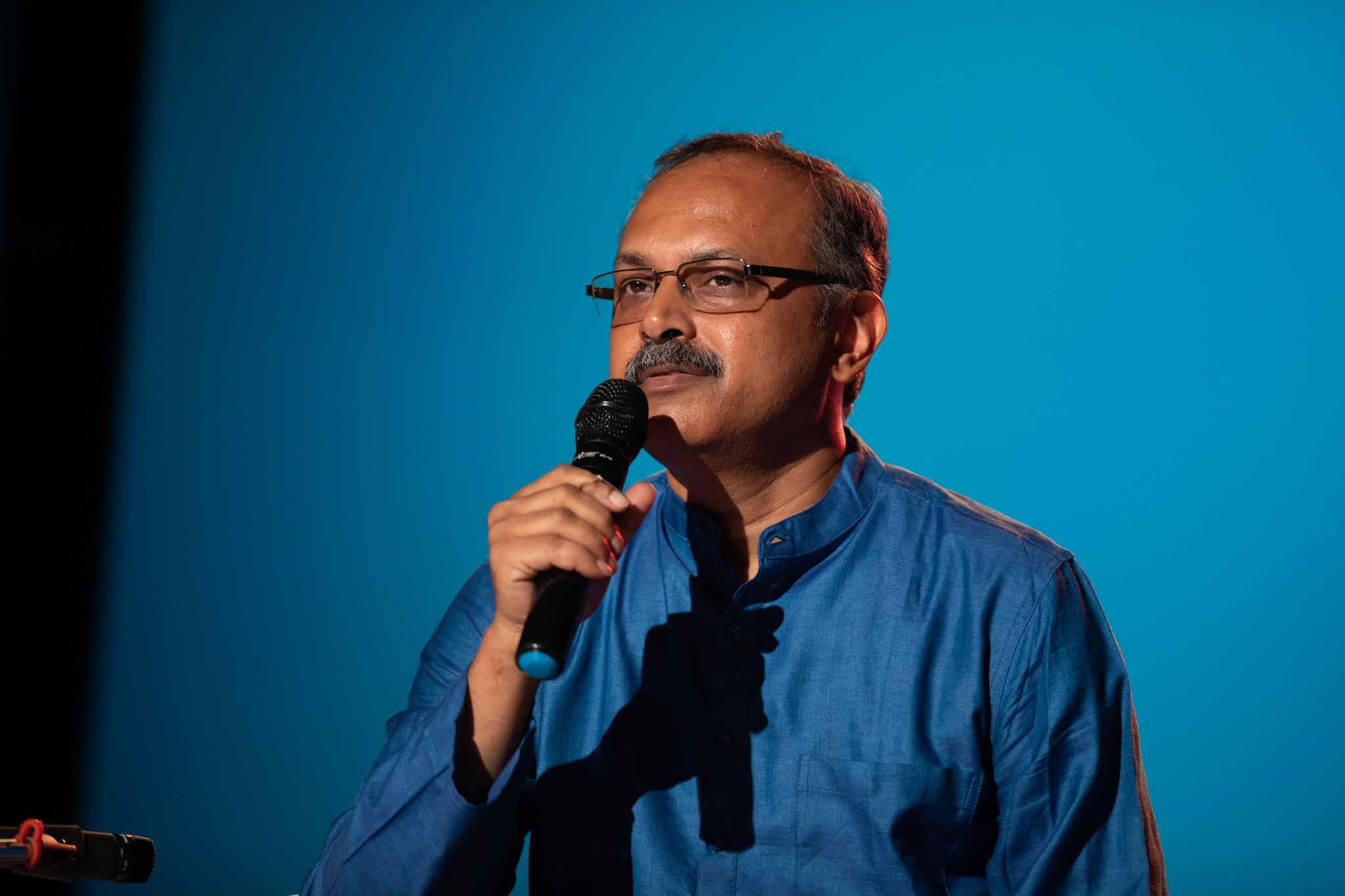
By Subrata De, Founder, Swaranjali
Music in the metaverse – In the metaverse, music from the real world will migrate to the virtual world, where we can shop, create, and build our own music, while anyone in the world at any time can experience music at their ease without physical traveling.
The music metaverse is set to change things for musicians– Musicians can take their art form beyond his/her reach, anywhere in the world, and fans can have the full experience of a live performance without the need for physical presence. Artists can connect with their followers through various activities, such as virtual concerts, merchandise sales, and other app-integrated activities. Artists sell their digital tunes and items because they encourage the use of the metaverse as a market to better control and trade their art. Artists can monetize their music directly through their fans; there is no third-party involvement.
Digital property rights and the musicians – It is a copyright law that has proven to be a bedrock tool when it comes to protecting intellectual property in a digital environment. Owners have the right (within reason) to do what they will with their content, including monetizing it & violations may be subjected to severe economic penalties. For a musician he/she retains the copyright, but the buyer holds a digitally signed copy of the music that can be limited or even a 1 of 1 edition. The buyer has the right to sell it. Those kinds of sales can make sense for artists no matter how big their fanbase is.
Technology Powers & Platform– Technologies that power the metaverse platform: Artificial intelligence (AI), the Internet of Things (IoT), AR, VR, E3d modelling, and spatial and edge computing.
Metaverse concerts– The metaverse has great potential for becoming a second world — a new space for new and existing revenue streams and methods for monetizing aspects of the music industry. This can include the following:
- Streaming music experiences
- Concerts that can be “attended” virtually
- Parties where the host can hire a DJ and invite friends from across the globe
- Decorations that can include NFTs for a virtual home in the metaverse
The idea of the metaverse is to combine two existing technologies — that of a digital second life and virtual reality. This will allow users to live a complete second life of their creation online. Your avatar will interact with others in the metaverse. There are potentially many more possibilities for the role of music and its monetization within the metaverse as it evolves.
Monetisation Opportunities for Musicians – For musicians, it represents a song or an audio file that is in high-quality formats like MP3, WAV, and OGA. The popularity of NFTs has exploded even in the music industry. Big music brands and personalities are getting on the NFT. Auctions and sales offer musicians an exciting opportunity to monetize their music or art pieces. NFTs have played an important role in musicians’ careers during pandemic times when their income had come to a stop. NFTs made it possible for musicians to reach out to a global audience all by themselves.
A musician can stream his music on platforms like Spotify, YouTube, and more. To use these platforms, the musicians need to pay a monthly subscription fee to the platform. However, it takes almost 3 months for the music artist to start being paid for the audio streaming.
NFTs promise to change this by allowing music artists to list their NFTs on a marketplace where they can directly engage with their fans and take home all the sales generated by their music files. In addition to this, the artists can always earn royalties from future sales. Furthermore, the music artists who sell their music as NFTs will not face any copyright issues, as blockchain maintains the records immutably.
Major labels and Artists trends – The advantages of concerts hosted in a virtual world, where artists can perform anywhere across the globe, and fans attend via VR headset from the comforts of their own home have a significant role in popularising Virtual concerts. Attendees can still interact with other concertgoers in the shared virtual space.
Recently, the major record label Warner Music partnered with The Sandbox to create a virtual performance venue within the metaverse. It was huge. A very renowned company is making a platform where there will be a concert hall and a musical theme park where it can host a variety of big-name artists in metaverse concerts. As the metaverse expands, more and more artists and record labels are likely to jump on board.
Audience Response and Adoption – Depends on the individual’s choice. There is a portion of people who want real-life experience of music, who want to indulge in the real and current emotion of the artist with the piece of work he/she is playing /singing/dancing & that portion is huge till date.
There definitely is other portions of people who like to dance at virtual world concerts. So I guess this scenario of respondents will keep continuing for the coming few decades before completely sinking into virtual concerts.
Is It Limited to Established Artists? – It’s good to have a team or resources, but it’s not a mandatory requirement. One can start with zero and make many zeros after 1 by putting in his own labour and dedication. If his/her work is worth it, he/she will definitely get a fan following. All you need is a good infrastructure, Marketing, quality studio recording, a very good internet connection, and of cours,e your hard work. But it also depends on the popularity and brand image of the artist.