

India is quietly transforming into a key player in the global semiconductor ecosystem, but not in the ways most people expect. Unlike Taiwan and South Korea, renowned for their massive chip fabrication plants, India’s strength lies in its engineering talent, chip design capabilities, and strategic approach to entering the semiconductor value chain.
For decades, India was seen as a peripheral player in the global chip story. While countries like Taiwan and South Korea dominated production, and Japan excelled in materials and equipment, India largely contributed through software and IT services. But the landscape is changing.
A recent report by Directus highlights India’s unique advantage: human capital. The country accounts for nearly 20% of the world’s integrated circuit (IC) design workforce, supported by a steady stream of engineering graduates and a growing community of designers and embedded systems experts.
Design and Talent: India’s Competitive Edge
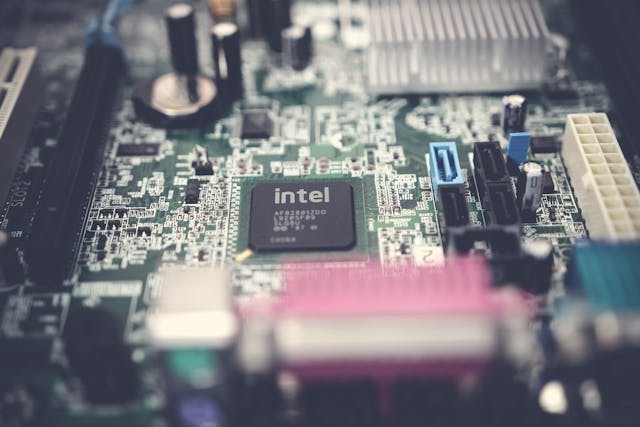
Global technology giants, including Intel, NVIDIA, and Qualcomm, have already invested heavily in India, running R&D centers that employ thousands of engineers. These teams work on chip design, verification, and embedded systems, enabling companies to innovate faster while controlling costs.
This focus on design positions India to climb the semiconductor value chain quickly. While advanced fabrication plants are still in early stages, India is already building capabilities in mid-stage processes such as assembly, testing, marking, and packaging (ATMP).
A major example is Micron Technology, which is establishing a $2.75 billion ATMP facility in Gujarat, signaling confidence in India’s ability to handle mid-stage semiconductor operations efficiently.
Policy Backing and Ecosystem Development
The Indian government is actively supporting the sector under the India Semiconductor Mission 2.0, focusing on:
-
Enhancing design talent through academic programs and training initiatives
-
Supporting start-ups and innovation in semiconductor hardware
-
Building a resilient ecosystem for chip design, manufacturing, and testing
A cornerstone of this initiative is the Design Linked Incentive (DLI) Scheme, offering financial aid, access to advanced tools, and infrastructure support for chip design projects. This has attracted global players eager to leverage India’s talent and favorable policy environment.
Global Partnerships Signal Confidence
International investment underscores India’s growing semiconductor stature. Taiwan’s Powerchip Semiconductor Manufacturing Corporation has teamed up with Tata Electronics to build the country’s first commercial wafer fabrication plant in Gujarat, a $11 billion venture that highlights India’s potential to scale advanced manufacturing.
The Road Ahead
India’s semiconductor journey is a strategic, phased approach: leveraging talent today, building mid-stage capacity, and gradually moving into high-end fabrication. By combining skilled workforce, supportive policies, and global partnerships, India is poised to become a significant node in the global chip ecosystem.
The country is no longer just a service or outsourcing hub—it is emerging as a design and innovation powerhouse, ready to play a leading role in one of the most critical industries of the 21st century.