

New Delhi, Mar 12: As urban power networks increasingly depend on underground cable systems to supply electricity to critical infrastructure such as metros, data centres, hospitals and commercial hubs, experts are calling for more advanced monitoring and asset management practices to ensure reliability and safety of these networks.
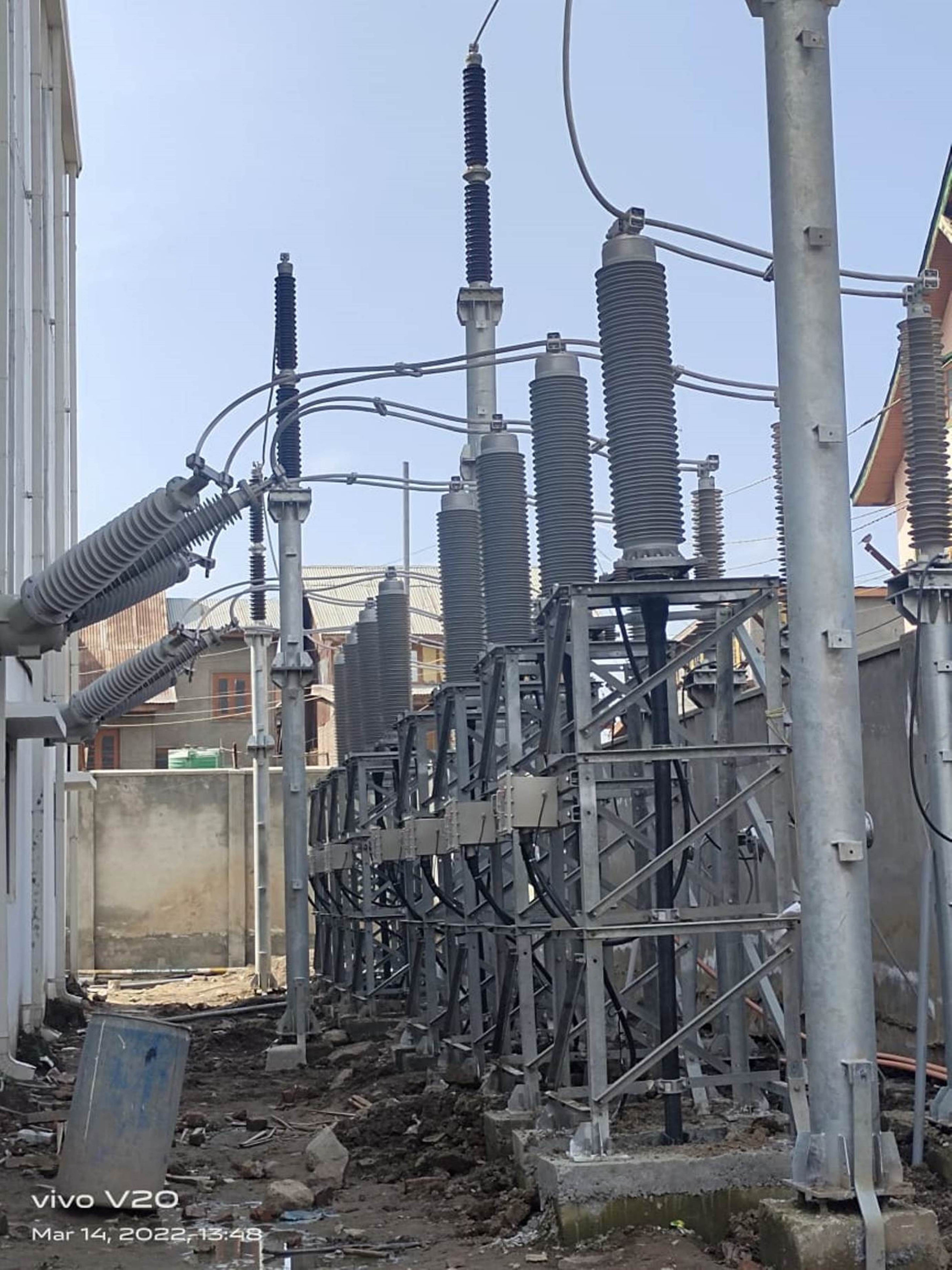
At the National Conference on Best Practices for Underground EHV Power Cables organised by the Central Board of Irrigation and Power (CBIP) under the aegis of CIGRE India, Mr. Rajinder Kaul, Chairman and Managing Director of Sharika Enterprises Limited, presented a technical paper titled: “From Bury and Forget to Preventive & Predictive Asset Management: Treating Underground Cables as Critical Infrastructure.”
During the presentation, he spoke about the limitations of conventional asset management practices used for underground cable systems. He also outlined the TRAP Framework, a monitoring approach aimed at improving the reliability, and safety of MV/HV/EHV cable infrastructure.
Underground cable networks have increasingly become the backbone of modern urban electricity infrastructure. However, many utilities still rely on conventional management practices often described as “bury and forget,” where cables remain largely unmonitored once installed.
Operational experience across several power networks indicates that underground cable failures can lead to prolonged outages because fault detection and repair are often complex and time-consuming. Operational experience shows that underground cable failures are frequently caused by excavation damage, joint defects and thermal stress in the cable system.
To address these operational challenges, the paper introduced the TRAP Framework, a monitoring approach that combines sensing technologies with data analysis so that utilities can detect problems earlier and move towards predictive maintenance of underground cable assets.
T – Temperature Monitoring (DTS):
Distributed Temperature Sensing systems allow utilities to continuously track temperature behaviour along the cable route. This helps identify hotspots, abnormal heating, or overloading conditions that may otherwise go unnoticed.
R – Route and Risk Monitoring (DAS):
Route monitoring is carried out using Distributed Acoustic Sensing (DAS). The system registers vibration activity along cable routes and can indicate excavation, drilling or nearby construction that may pose a risk to underground cable corridors.
A – Asset Health Monitoring (Online PD):
This element focuses on checking the insulation condition of cable joints and terminations. Online Partial Discharge (PD) measurements help identify early signs of electrical deterioration within the cable system.
P – Performance Analytics:
Performance analytics involves reviewing monitoring data and operational trends from the network. These observations assist utilities in planning maintenance and managing cable assets more effectively.
Commenting on the subject, Mr. Rajinder Kaul said,
“Underground cable systems are becoming an integral part of modern power infrastructure, particularly in dense urban networks and critical facilities. Moving towards predictive asset management allows utilities to monitor cable health, anticipate potential failures and optimise lifecycle performance. Such approaches will be essential in strengthening the reliability and resilience of future power networks.”
The paper also referred to fibre-embedded cable systems, where optical fibres placed inside power cables can function as sensing channels along the route. These fibres function as sensing channels along the cable route. Such systems allow utilities to monitor long cable sections, tunnels and dense urban corridors in real time, making fault identification and network visibility easier.
The paper highlighted that there is need for its wider Implementation. According to the paper, many utilities are already aware of such monitoring approaches but their adoption remains limited across several networks. Wider implementation of predictive monitoring frameworks could help utilities detect faults earlier, reduce outage durations and improve reliability of underground power corridors serving critical infrastructure.
Sharika Enterprises has been actively contributing to technical discussions on improving the reliability and monitoring of underground cable infrastructure as urban power systems continue to evolve.
