

Exploring how electric vehicles, charging networks, battery manufacturing, and smart energy systems are driving India’s next wave of sustainable business growth
Introduction: India’s Electric Mobility Moment
India is at the cusp of a historic transformation in mobility. With rising fuel costs, growing environmental concerns, and strong government backing, electric vehicles (EVs) are no longer a niche concept but a fast-emerging mainstream reality. At the heart of this shift lies EV infrastructure, which is rapidly evolving into one of the most promising new business frontiers in India. From charging networks and battery manufacturing to software platforms and renewable energy integration, EV infrastructure is unlocking multi-billion-dollar opportunities across sectors.
The Rise of Electric Vehicles in India
India’s EV market has witnessed exponential growth over the past few years. Increasing adoption of electric two-wheelers, three-wheelers, passenger cars, and commercial fleets is reshaping the automotive ecosystem. Policy initiatives such as FAME II, state-level EV policies, and Production Linked Incentive (PLI) schemes have accelerated both demand and domestic manufacturing.
Key growth drivers include:
Rising fuel prices and lower total cost of ownership (TCO)
Government subsidies and tax incentives
Urban air pollution and climate commitments
Technological advancements in batteries and power electronics
As EV adoption grows, robust infrastructure becomes the backbone that sustains and scales this momentum.
EV Infrastructure: The Backbone of Electric Mobility
EV infrastructure extends far beyond charging stations. It encompasses a complete ecosystem that enables seamless electric mobility.
1. EV Charging Infrastructure in India
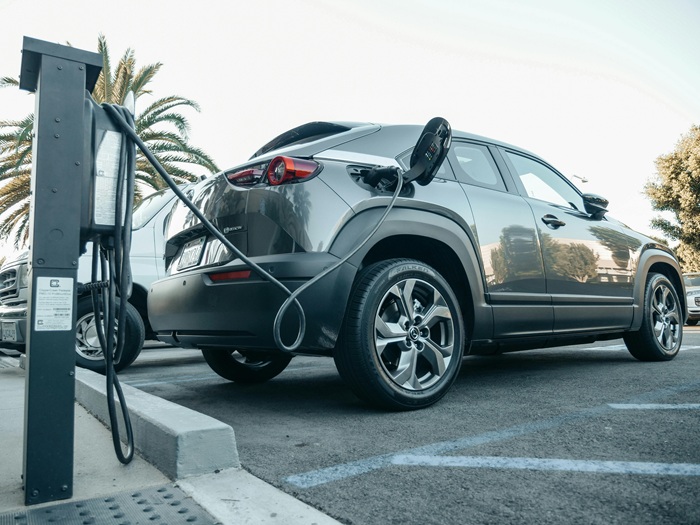
The expansion of EV charging stations is critical to reducing range anxiety and boosting consumer confidence. India is witnessing rapid deployment of:
Public fast-charging stations along highways and urban centers
Home and workplace chargers
Battery swapping stations for two- and three-wheelers
This creates significant business opportunities for charge point operators (CPOs), real estate developers, utilities, oil marketing companies, and startups.
2. Battery Manufacturing and Energy Storage
Batteries account for nearly 40% of an EV’s cost, making them central to the EV value chain. India is investing heavily in:
Lithium-ion battery manufacturing
Advanced chemistry cells (ACC) under the PLI scheme
Battery recycling and second-life applications
Energy storage solutions also support renewable energy integration, making batteries a strategic asset beyond mobility.
3. Grid Modernization and Renewable Integration
EV infrastructure is closely linked to India’s power sector. Smart grids, load management systems, and renewable energy sources such as solar and wind are essential to support large-scale EV adoption. Businesses offering:
Smart charging solutions
Energy management software
Vehicle-to-grid (V2G) technologies
are well-positioned to thrive in this evolving ecosystem.
EV Infrastructure as a New Business Frontier
The EV revolution is not limited to automakers. It is creating a multi-layered business ecosystem that spans manufacturing, services, technology, and finance.
Emerging Business Opportunities
Charging-as-a-Service (CaaS) models
EV fleet management and logistics solutions
Battery leasing and swapping platforms
EV financing, insurance, and subscription services
Software, IoT, and data analytics for EV operations
Startups, MSMEs, and large enterprises alike are entering the EV infrastructure space, attracted by long-term growth and policy support.
Government Policies Fueling EV Infrastructure Growth
The Indian government plays a pivotal role in shaping the EV infrastructure landscape. Key initiatives include:
Faster Adoption and Manufacturing of Electric Vehicles (FAME II)
PLI schemes for EVs and advanced batteries
State EV policies offering capital subsidies and tax exemptions
National Electric Mobility Mission (NEMMP)
These policies reduce entry barriers and encourage private investment, making EV infrastructure one of India’s most policy-backed business sectors.
Challenges in EV Infrastructure Development
Despite strong momentum, challenges remain:
High upfront capital costs for charging infrastructure
Limited availability of raw materials for batteries
Grid capacity constraints in certain regions
Need for standardization and interoperability
However, these challenges also present opportunities for innovation, localization, and technology-driven solutions.
The Road Ahead: Future of EV & Infrastructure in India
The future of EV infrastructure in India looks promising. Industry experts project rapid growth driven by:
Mass adoption of electric two- and three-wheelers
Electrification of public transport and logistics
Advancements in battery technology and fast charging
Increased public-private partnerships
As India moves toward its net-zero goals, EV infrastructure will be a cornerstone of sustainable economic growth.
Conclusion: Powering India’s Next Growth Engine
EV & Infrastructure represent the new business frontier in India, offering immense opportunities across industries. With supportive policies, rising consumer awareness, and continuous technological innovation, the EV infrastructure ecosystem is set to redefine transportation, energy, and urban development. For investors, entrepreneurs, and businesses, now is the time to plug into India’s electric future and be part of a transformation that is both profitable and sustainable.