

Good Friday is one of the most solemn and significant days in the Christian calendar, commemorating the crucifixion of Jesus Christ at Calvary. Observed during Holy Week the week leading up to Easter Sunday it provides believers with an opportunity for mourning, reflection, and spiritual contemplation on the ultimate sacrifice made for humanity’s redemption. While marked by sorrow, Good Friday also embodies the Christian belief in salvation through Christ’s suffering and death, forming a profound contrast with the hope celebrated on Easter Sunday.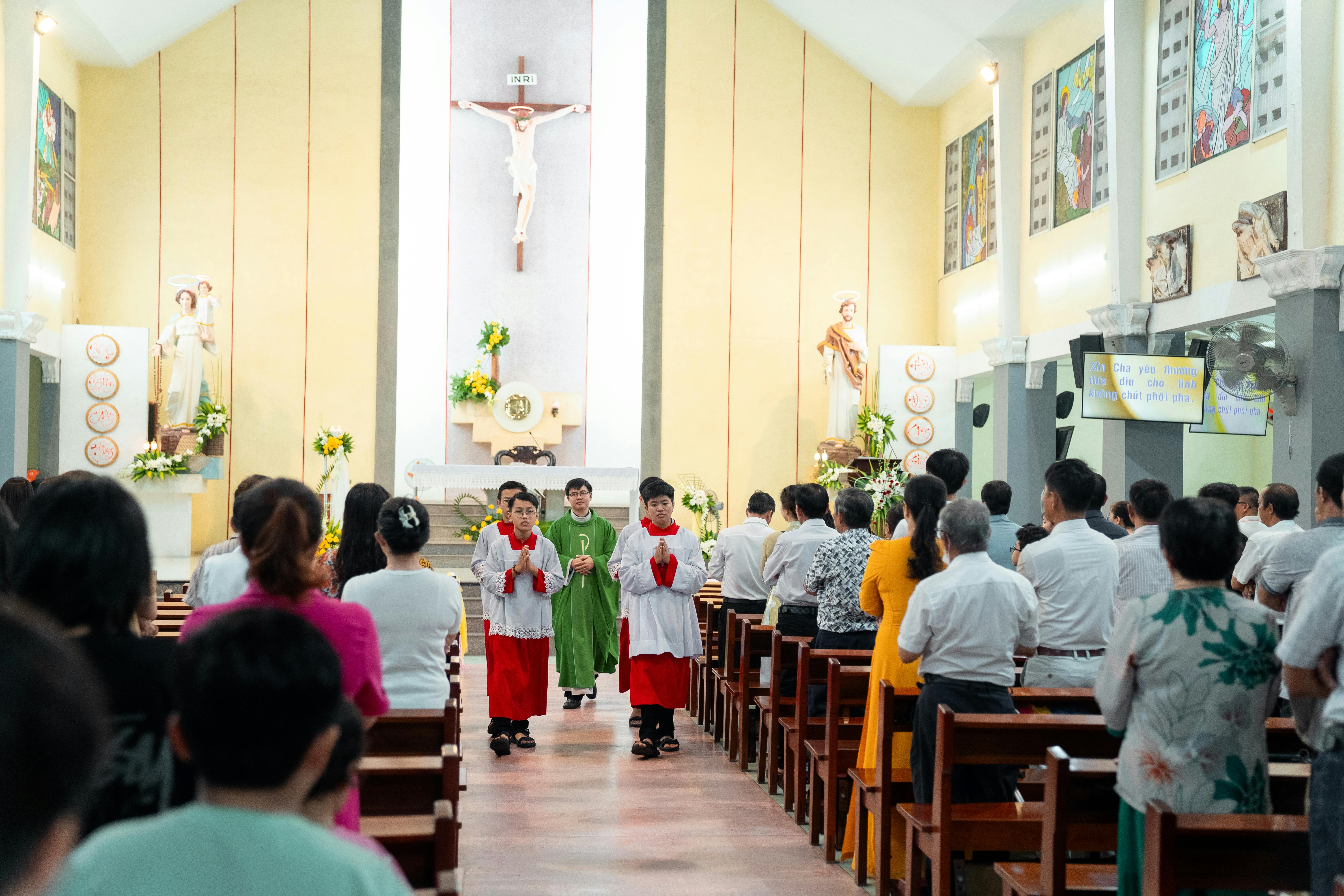
Good Friday: Date and Timing Explained
The date of Good Friday varies each year, as it is determined by the lunar-based ecclesiastical calendar. It always falls on the Friday before Easter Sunday, which is celebrated on the first Sunday after the full moon following the vernal equinox. This means that Good Friday can occur between March 20 and April 23. Observances typically take place in the morning or mid-afternoon, reflecting the traditional time of Jesus’ crucifixion, and providing space for both communal and personal reflection.
Celebration and Reflection
Good Friday is observed by Christians worldwide as a solemn day commemorating the crucifixion of Jesus Christ. Marked by prayer, fasting, and reflection, it emphasizes themes of sacrifice, redemption, and love. Traditions vary across cultures, from church services and the Stations of the Cross to processions and reenactments, all fostering spiritual contemplation. The day encourages personal introspection, acts of kindness, and a deeper connection to faith, bridging historical observance with contemporary expressions of devotion.
Good Friday: History and Spiritual Significance
Good Friday has been observed since the early centuries of Christianity. By the 2nd century, Christians marked it as a day of mourning and prayer, and by the 4th century, formal liturgical practices had been established. The Gospel accounts of Matthew, Mark, Luke, and John detail Jesus’ suffering, trial, and death under Pontius Pilate, fulfilling prophecies such as Isaiah 53:5. This day emphasizes themes central to Christianity: atonement, reconciliation, and the promise of eternal life.
The term “Good” may seem paradoxical given the events it commemorates. In this context, it is often interpreted as “holy” or “pious,” reflecting the ultimate good that arose from Jesus’ sacrifice: humanity’s redemption. It invites believers to reflect on love, forgiveness, and the profound spiritual lessons embedded in Christ’s suffering.
Traditions and Observances
Good Friday is observed worldwide with rituals that vary across denominations and cultures. Common practices include:
- Fasting and Prayer: Many Christians fast or abstain from certain foods as an act of penance, while engaging in prayer and meditation.
- Church Services: Liturgies often include readings of the Passion narrative, hymns, and sermons focused on Jesus’ suffering and death.
- Stations of the Cross: This practice, common in Catholic and Anglican traditions, visually traces Jesus’ journey to crucifixion.
- Veneration of the Cross: Congregants may honor the cross through prayer, reflection, and symbolic gestures.
- Reenactments and Processions: In various cultures, dramatic representations of the crucifixion, such as the “Sinakulo” in the Philippines or Semana Santa processions in Spain and Latin America, combine devotion with cultural expression.
Religious and Theological Significance
Good Friday is central to Christian theology, highlighting sacrificial love, redemption, and forgiveness. The crucifixion demonstrates the depth of God’s love and the magnitude of sin, inviting believers to reflect on their own lives, seek repentance, and renew their faith. While the day commemorates death and suffering, it also serves as a precursor to Easter Sunday, celebrating the resurrection and the triumph of life over death. This juxtaposition underscores the transformative power of sacrifice and the hope of salvation.
Good Friday Around the World
Good Friday is observed globally with diverse traditions reflecting local cultures and Christian practices. In many countries, believers attend solemn church services, participate in processions, or reenact the Passion of Christ. Customs like fasting, prayer, and the veneration of the cross are common, while celebrations in places like Spain, the Philippines, and Latin America combine religious devotion with cultural expressions, uniting communities in remembrance of Jesus’ sacrifice.
Good Friday: Reflection, Compassion, and Modern Relevance
For many believers, Good Friday is a deeply personal occasion. It offers time for introspection, meditation, and prayer, fostering a connection to faith and spiritual growth. Acts of kindness and community service also reflect Christ’s teachings, allowing individuals to embody love and compassion. In contemporary society, Good Friday remains relevant, encouraging empathy, reflection, and service, while bridging traditional religious observances with modern cultural expression.
Conclusion
Good Friday stands as a cornerstone of the Christian faith, emphasizing sacrifice, redemption, and hope. By commemorating the crucifixion of Jesus Christ, believers are reminded of the profound implications of His sacrifice, the transformative power of love, and the promise of resurrection. Across cultures, traditions, and generations, Good Friday continues to inspire reflection, spiritual growth, and acts of compassion, preparing the faithful for the joyous celebration of Easter. Its enduring relevance underscores the timeless lessons of forgiveness, selflessness, and faith that remain central to Christian life.
