

Union Railway Minister Ashwini Vaishnaw recently shared updates on significant railway initiatives in Jammu & Kashmir and Kerala, highlighting progress on major infrastructure projects while calling for state-level cooperation to ensure timely execution.
Jammu & Kashmir: Steady Progress Amid Local Concerns
In Jammu & Kashmir, the Udhampur–Srinagar–Baramulla Rail Link (USBRL) has seen substantial completion, with the government allocating ₹1,086 crore in 2025-26 to further strengthen regional connectivity.
The Jammu Metrolite project, a 23 km light rail system designed to ease urban congestion, is progressing well, with key sections expected to be completed in 2026.
At the same time, three smaller proposed railway projects have been temporarily put on hold due to local concerns about land acquisition and potential impacts on horticulture areas.
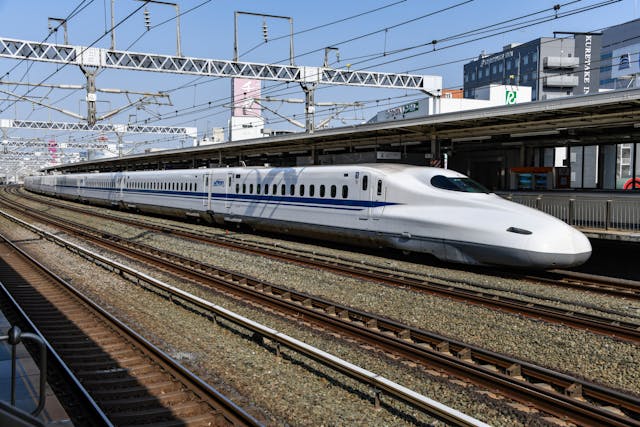
Chief Minister Omar Abdullah welcomed the pause on these projects and requested that the central government increase the frequency and coach capacity of Vande Bharat trains connecting Katra and Srinagar to meet rising passenger demand.
Kerala: Budget Allocations and Need for Faster Implementation
For Kerala, the central government has earmarked ₹3,795 crore for railway development in 2026–27, supporting ongoing projects such as the Sabari rail line (Angamaly–Erumely) and third and fourth line expansions.
Minister Vaishnaw urged the Kerala government to accelerate land acquisition and streamline approvals, which are key to ensuring projects stay on track. While Kerala was not included in the initial seven high-speed rail corridors announced in the 2026 budget, proposals for the state are under active consideration.
The state has also approved a Regional Rapid Transit System (RRTS) to enhance high-speed connectivity, which will complement future metro networks and improve urban mobility.
Emphasis on Cooperative Federalism
The Railway Minister stressed the importance of cooperative federalism, urging state governments to actively assist with procedural, technical, and land-related challenges. According to him, timely cooperation is critical to completing projects efficiently and maximizing their benefits for local communities and commuters alike.