

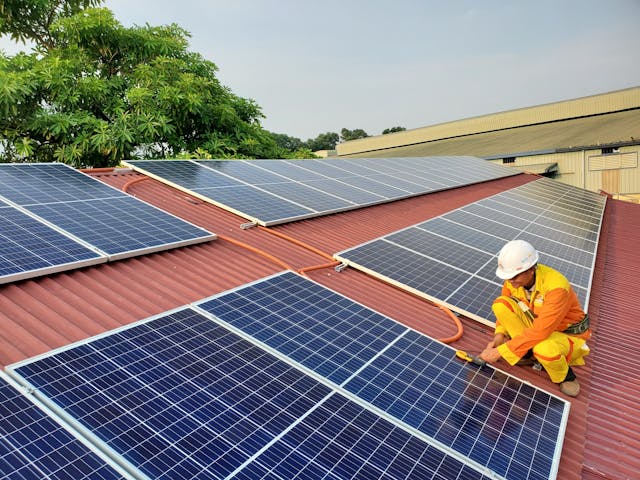
India is undergoing a quiet but transformative energy shift—one that is not driven by massive power plants, hydropower dams, or megaprojects, but by the modest rooftops of homes across the country. With nearly 24 lakh households already adopting solar systems under the PM Surya Ghar: Muft Bijli Yojana, rooftop solar has moved beyond an eco-friendly trend to become a core pillar of India’s national energy strategy.
This revolution is more than a government program. It represents a deeper, long-term redesign of India’s energy architecture—from centralized, fossil-fuel-dependent grids to decentralized, consumer-driven, resilient clean-energy ecosystems. This shift is economically vital, environmentally urgent, and strategically inevitable.
India’s Energy Sector Is Changing
India’s traditional electricity model relied on large coal plants, extensive transmission networks, and state-run distribution utilities. While this system fueled decades of growth, it is now under strain:
-
Rising Demand: Electricity consumption is projected to double by 2030, driven by urbanization, electric vehicles, digital services, and industrial expansion.
-
Grid Stress and Transmission Losses: India loses nearly 20% of generated electricity during transmission—one of the highest globally—adding economic and environmental costs.
-
Climate Commitments: India has pledged to source 50% of its energy from non-fossil fuels by 2030.
-
Import Dependence: Reliance on imported fuel and solar components creates economic and strategic vulnerabilities.
These pressures underscore the need for flexible, distributed, and sustainable energy systems. Rooftop solar offers exactly that—a scalable, consumer-driven solution that transforms how power is produced, distributed, and consumed.
Why Rooftop Solar Is a Game-Changer
Rooftop solar is more than a technology; it is a structural shift in energy. It empowers consumers, stabilizes the grid, and unlocks an economically sustainable model.
1. Decentralization Builds a Smarter Grid
Local generation reduces transmission losses, eases peak demand pressure, and improves resilience during heatwaves and storms.
2. The Rise of the “Prosumer”
Households now generate electricity for themselves, export surplus back to the grid, and reduce monthly bills to near zero. Net metering converts the traditional one-way electricity model into a two-way energy economy.
3. Rapid Clean Energy Capacity Expansion
Unlike large power plants, which take years to build, rooftop solar can be installed within days. It’s scalable, fast, minimally land-intensive, and environmentally efficient.
4. Economic Benefits
Households save 60–90% on electricity costs. The nation benefits from lower fossil fuel imports, reduced transmission investments, domestic solar manufacturing growth, and more predictable energy expenses.
5. Job Creation
Rooftop solar is labor-intensive, generating employment for installers, electrical technicians, designers, and maintenance professionals. Programs like Surya Mitra are preparing youth for careers in clean energy.
6. Integrating Future Technologies
Rooftop solar supports electric vehicles, battery storage, smart homes, AI energy management, and potentially small-scale green hydrogen production, paving the way for energy-independent homes and smarter cities.
Odisha: Rooftop Solar in Action
Odisha is emerging as a significant contributor to India’s rooftop solar revolution.
-
Western Odisha (TPWODL region): Over 7,800 rooftop solar systems have been installed under the PM Surya Ghar Muft Bijli Yojana and the Utility Led Aggregation (ULA) Model.
-
PM Surya Ghar: 7,691 installations across nine districts, with 2,617 households achieving zero electricity bills.
-
ULA Model: 142 households installed 1 kW rooftop systems at highly subsidized rates (₹8,747 instead of ₹65,000–75,000), many benefiting from zero electricity bills.
-
-
Statewide Expansion: At the Global Energy Leaders’ Summit 2025, the central government approved 1.5 lakh consumer-owned rooftop solar units across Odisha, expected to benefit 7–8 lakh residents, with priority given to economically weaker sections.
Smart Meters play a critical role in Odisha’s success, enabling real-time energy measurement, net metering, and seamless grid integration. Households are becoming “prosumers,” generating power while contributing to grid stability.
Odisha’s model demonstrates that decentralized solar can be affordable, reliable, and scalable, even in regions with limited resources.
India Is Perfectly Positioned for Rooftop Solar
-
300+ sunny days per year
-
Rapidly declining costs of solar panels and installation
-
Strong government incentives, subsidies, and low-interest loans
-
Digital platforms for simplified registration and approvals
-
A massive residential market of over 25 crore households
Despite challenges—upfront costs, unsuitable roofs, net-metering delays, and limited awareness—policy reforms and utility-led initiatives are removing bottlenecks. The focus is now on scaling up adoption rather than convincing people.
The Strategic Payoff
If India meets its target of one crore rooftop solar systems, benefits include:
-
Lower fossil fuel imports and foreign exchange savings
-
Reduced dependence on coal
-
Stronger, resilient grids
-
Thriving domestic solar manufacturing
-
Millions of green jobs
-
Cleaner cities and empowered citizens
Conclusion: The Future of Energy Is Personal
India’s rooftop solar revolution is more than an environmental initiative—it is a democratization of energy. Odisha is proving that even in a developing state, distributed solar can transform households into active energy producers.
The most influential power plant of the future may not be a massive grid installation—it will be the solar panels quietly harvesting sunlight on the rooftops of homes, in cities and villages alike.
India’s clean-energy transition is already underway—one rooftop at a time.