

From Classrooms to Panchayats to Police Stations, Madhya Pradesh Builds a New Architecture for Gender Equality UNFPA India Honorary Ambassador Kriti Sanon Visits Bhopal to Witness Change on the Ground
Bhopal, April 11: Madhya Pradesh is demonstrating what it looks like when gender equality moves from policy to practice, embedded in school curricula, in the functioning of elected village bodies, and in the culture of law enforcement. Today, UNFPA India Honorary Ambassador for Gender Equality and acclaimed actor, producer and entrepreneur Kriti Sanon undertook a day-long field mission to Bhopal, interacting face to face with students, elected women representatives, and police officers.
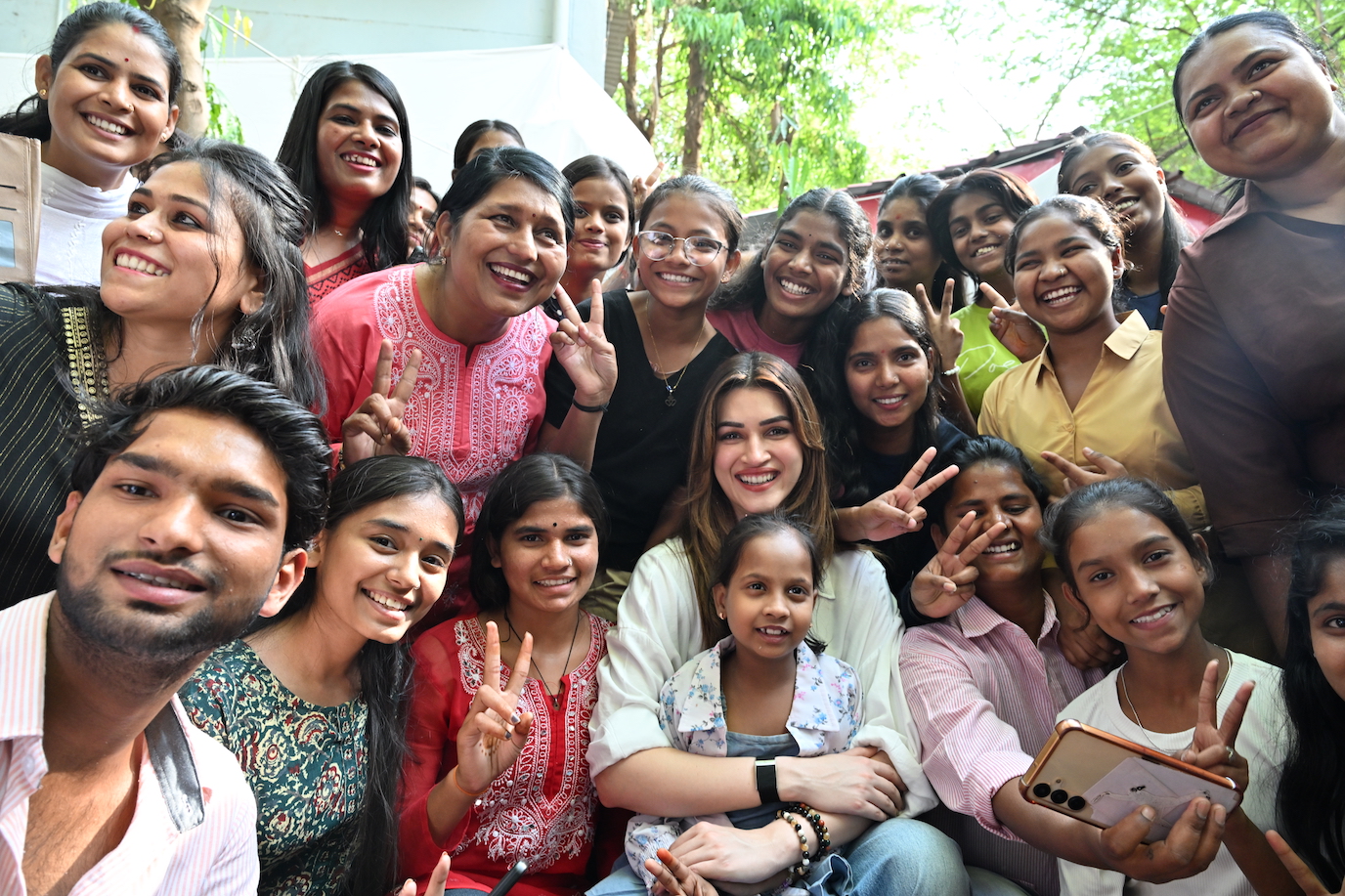
At Government Subhash Excellence Higher Secondary School, Ms. Sanon observed the Life-Skills Education programme, a structured curriculum that equips adolescents with the knowledge and interpersonal skills they need to navigate real-world challenges. The programme covers key areas such as adolescent health, healthy relationships, decision-making, and emotional well-being. It also includes the Ujjwal module, which works with boys and young men to encourage respectful behaviour and promote fairness and equality. Ms. Sanon participated in an experience-sharing session with Health and Wellness Ambassador teachers and interacted with students on what these lessons mean in their daily lives.
“Young people are not just beneficiaries of programmes they are active agents shaping more equitable, informed, and resilient societies. Life-Skills Education is essential because it equips adolescents not only with knowledge, but with the confidence, critical thinking, and values they need to make informed choices and build respectful relationships. When we invest in these capabilities, especially through approaches like the Ujjwal module that engage boys and young men, we are laying the foundation for lasting gender equality and well-being.”
At the UN House, Bhopal, Ms. Sanon engaged with elected women representatives, including Mahila Sarpanches and Panchayat Members, who are part of the national Women and Girl Friendly Panchayat intervention. She heard first-hand accounts of efforts such as improving menstrual health and hygiene facilities for women and girls, building libraries , and improving safety especially of women and girls through CCTV cameras and street lighting. Implemented in partnership with the Government of Madhya Pradesh, this is a proven model for gender-responsive local governance and is being scaled across the country. Madhya Pradesh is
a key implementing state under the Women and Girl Friendly Panchayat initiative, advancing planning and decisions that consider the needs of women and girls at the grassroots level.
The field mission continued at the Madhya Pradesh Police Mahila Thana, where Ms. Sanon joined law enforcement officials to engage with UNFPA-supported Community Policing Unit interventions. Discussions focused on more effective response to gender-based violence and strategies to address harmful practices through community-police partnership.
As the UNFPA India Honorary Ambassador for Gender Equality, Ms. Sanon underscored her key takeaways:
-
● Real change happens when young people are empowered with knowledge, confidence, and values early in life.
-
● Women’s leadership at the grassroots is transforming communities to be safer, more inclusive, and more responsive.
-
● Systems and processes — from schools to local governance to policing — must work together to sustain gender equality.
“The girls and boys, the teachers, communities, the police, and the women leaders in Madhya Pradesh are showing the way. My takeaway is clear: when we invest in people, support women’s leadership, and build responsive systems, gender equality is not just an aspiration — it becomes a lived reality. As Ambassador, I remain committed to amplifying these voices and accelerating this momentum across India.”
