

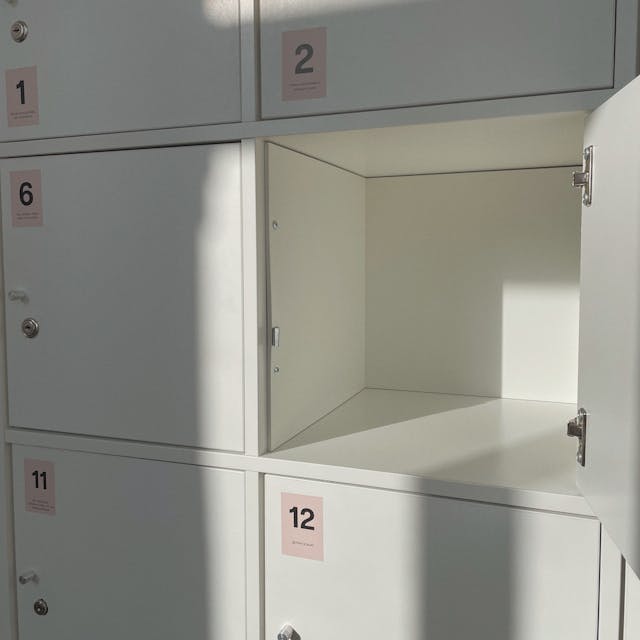
The Importance of Bank Lockers in Today’s World
In an era marked by an alarming increase in theft and burglary, the safety and security of personal valuables have become paramount concerns for individuals and families alike. Home storage, while convenient, often falls short of providing the protection that many valuable items require. This is where bank lockers emerge as a crucial solution, offering a secure and reliable option for safeguarding important possessions such as gold, jewelry, crucial documents, and even emergency cash reserves.
Bank lockers are designed specifically for the protection of valuable items, utilizing advanced security measures that far surpass those of standard home safes or storage solutions. These facilities not only provide robust physical security, utilizing various levels of authentication and surveillance, but they also offer peace of mind to those who utilize them. Understanding the peace of mind that comes from knowing one’s valuables are stored in a secure environment cannot be understated, especially in today’s climate of increased crime rates.
The advantages of utilizing bank lockers extend beyond mere physical protection. They also contribute to an organized way of managing valuable items, ensuring that when the need arises—be it for a family emergency, a legal matter, or an unexpected financial obligation—access to these stored items is straightforward and hassle-free. Additionally, many individuals find that using a lockbox at their bank encourages more mindful ownership and investment in their valuables, fostering a sense of responsibility for safeguarding what is often a lifetime of savings and cherished possessions.
In summary, as concerns about personal safety and security continue to rise, the contribution of bank lockers to our peace of mind is invaluable. By providing an effective and dependable means of protecting important items, bank lockers represent an essential resource in today’s increasingly uncertain world.
Reasons for Choosing a Bank Locker
In recent years, the preference for bank lockers has surged among individuals and families seeking effective means of securing their valuable possessions. A significant motivation behind this trend is the increasing concern regarding theft and burglary, particularly in urban settings where crime rates may be higher. The fear of losing critical assets such as documents, jewelry, and other valuables is driving many to seek out bank lockers as a safe alternative to traditional home storage. With reported incidents of home invasions on the rise, the need for secure storage has never been more pressing.
Furthermore, banks offer a level of security that far surpasses what is typically available in personal residences. Bank lockers are equipped with advanced security features, including 24/7 CCTV surveillance, specialized access control, and fortified vaults designed to resist unauthorized entry. This robust infrastructure not only protects valuables from theft but also from potential environmental hazards such as fire or water damage. The peace of mind that comes from knowing belongings are stored in a secure location adds an additional layer of comfort for families and individuals alike.
The advantages of using bank lockers extend beyond just safety; they also provide convenience for individuals who travel frequently or spend extended periods away from home. With valuable possessions stored in a bank locker, individuals can focus on their travels without the constant worry of leaving essential items unattended. Additionally, bank lockers allow for organized storage solutions, enabling individuals to categorize and securely store critical documents, making retrieval easier when needed. This organized approach not only enhances accessibility but also ensures that important papers are unlikely to be misplaced or damaged.
Understanding the Basic Requirements for a Bank Locker
Opening a bank locker requires attention to several fundamental requirements that ensure both security and peace of mind for the locker holder. Bank lockers are designed for the safe storage of valuable items such as jewelry, important documents, and other personal possessions that one may wish to protect from theft or damage. Thus, a clear understanding of the prerequisites and objectives is essential before proceeding with the application process.
First and foremost, an individual must possess a valid bank account with the financial institution that offers the locker service. This account not only establishes a customer-client relationship but also facilitates payments and easy management of locker rental fees. Along with the bank account, the applicant must provide valid KYC (Know Your Customer) documents, which typically include identification proof, address verification, and photographs. These documents are imperative as they verify the identity of the locker applicant and ensure compliance with regulatory norms.
In addition to the documentation, a security deposit is often required, which can vary based on the type and size of the locker chosen. This deposit acts as a safeguard for the bank, ensuring that the customer adheres to the terms of the locker agreement. Once all necessary documents are submitted, and the required fees are paid, the applicant must sign a locker agreement. This agreement outlines the terms and conditions governing the use of the locker, including access protocols, operational hours, and the penalties for any breaches of the stated rules. Familiarity with these requirements is critical not only for a smooth application process but also for ensuring the effective and safe utilization of the bank locker in the future.
Step-by-Step Guide to Opening a Bank Locker
Opening a bank locker is a secure method to store your valuable items, and the process involves several systematic steps. Firstly, it is crucial to choose the right bank that offers locker services tailored to your needs. Evaluate factors such as the bank’s reputation, location, and security measures to ensure that your belongings will be safe.
Once you have selected a bank, check the availability of lockers at your preferred branch. It is advisable to contact the bank directly or visit their website to ensure they have lockers available in various sizes. After confirming availability, prepare to submit the necessary Know Your Customer (KYC) documents. The typical requirements include valid identification, proof of address, and any additional documents stipulated by the bank.
After completing the documentation, the next step is to read and sign the locker agreement. This agreement outlines the terms and conditions surrounding the use of the locker, so clear comprehension is essential. Pay particular attention to the regulations related to access rights and any restrictions that may apply. Once all documentation is processed, a security deposit will need to be paid, which serves to protect both the customer and the bank from unforeseen circumstances.
Moving forward, you will have the opportunity to select an appropriate locker size that suits your storage needs. The bank staff can provide guidance based on your requirements. Following this, you will receive a key to access your locker, alongside information pertaining to the payment of annual locker rent. Be sure to note the specifics of these payments, as they can vary significantly between banks. Understanding every aspect of the process ensures that you have a smooth and hassle-free experience when using a bank locker.
Factors to Consider When Selecting a Bank for Your Locker
Choosing the right bank for your locker is a critical decision that requires careful consideration of several factors. The primary aspect to evaluate is the location of the bank. It is advisable to select a branch that is easily accessible to you. This convenience allows for timely visits to access your valuables, especially during emergencies or unplanned situations. A centrally located bank will ensure that you do not have to travel long distances, which can save you both time and effort.
Another important factor to consider is whether you already have an existing account with the bank. If you do, this can streamline the process of opening a locker as many banks offer preferential treatment to their current customers. Having a pre-existing relationship may enable you to negotiate favorable terms, such as reduced fees or more flexible access hours. Additionally, maintaining multiple services under one financial institution can enhance your overall banking experience, providing a sense of continuity and trust.
The reputation of the bank is equally essential when selecting a facility for your locker. You should conduct thorough research to assess the bank’s standing concerning security measures, historical security breaches, and customer service ratings. Reading reviews and asking for recommendations can offer valuable insights into how well the bank protects its lockers and the satisfaction level of existing customers. It is crucial to ensure that the institution you choose adheres to high-security standards to safeguard your valuables effectively.
Lastly, take the time to understand the terms and conditions associated with the locker services. Factors such as locker sizes, rental fees, and access protocols should align with your specific needs. Evaluating these elements will lead to informed decision-making, ensuring that you choose the best bank to serve your storage requirements.
Understanding Fees and Charges Associated with Bank Lockers
When considering renting a bank locker, it is essential to understand the various fees and charges associated with this service. These costs typically vary depending on the financial institution, the size of the locker, and the specific policies of the bank. To ensure that you budget effectively, it is advisable to familiarize yourself with the primary expenses related to bank lockers.
One of the initial costs you will encounter is the security deposit. This deposit is generally required when opening a bank locker and serves as a safeguard for the bank against any potential damages or failure to pay rent. The amount of the security deposit can vary significantly, often ranging from one to three times the annual rental fee. It is crucial to clarify the specific amount and policy with the bank beforehand to prevent any unexpected financial burdens.
Following the security deposit, the annual rent is another significant cost factor. Rental fees for bank lockers are primarily determined by the locker size you select. Smaller lockers tend to have lower annual rental costs, while larger lockers naturally incur higher fees. Banks usually provide information regarding their rental structure, and potential customers should review these details to make an informed choice based on their needs.
Additionally, certain banks may impose extra charges. For instance, customers may be charged for frequent visits beyond a specified limit or for exceeding the number of allowable transactions. Some institutions may even require fees for additional services, such as assistance or access during non-business hours. Therefore, prospective locker renters should inquire about these potential charges and factor them into their overall budgeting for the locker rental.
By understanding the various fees associated with bank lockers, you can effectively plan your finances and ensure that you are prepared for the costs involved in safeguarding your valuables.
Safety Tips for Locker Users
Utilizing a bank locker can provide peace of mind when it comes to safeguarding valuable possessions. However, users must implement effective safety measures to optimize their security. Here are some essential tips to enhance the safety of your bank locker.
First and foremost, it is advisable to consider insuring high-value items stored within the locker. While bank lockers offer a level of safety, they do not inherently provide insurance coverage for the contents. Speak with your insurance provider to understand your options for insuring items such as jewelry, collectibles, or important documents. Proper insurance coverage will safeguard your valuables against loss, theft, or damage.
Another crucial aspect to consider is accessibility. Identify a trusted family member or close friend who can access the locker in case of an emergency. This should be someone who understands the importance of the contents and can act responsibly. Consider creating a written agreement that outlines access protocols and the responsibilities associated with it. This can serve to ensure that your valuables remain secure while still accessible when needed.
Furthermore, it is essential to make regular visits to the bank locker to assess its contents. Develop a schedule that suits your needs, whether it be quarterly or biannually. Regular check-ups not only allow you to ensure the items remain secure but also help keep an inventory of what is stored inside. This can be particularly beneficial in ensuring that nothing has been lost or misplaced over time.
Lastly, always secure your locker key or access card in a safe place. Avoid keeping it in easily accessible locations or common spots where it could potentially be found by unauthorized individuals. By following these safety tips, users can enhance the security of their bank locker, ensuring their cherished possessions are well-protected.
Common Myths About Bank Lockers Debunked
Bank lockers are frequently perceived as wholly secure storage solutions for valuable items. However, this concept is often clouded by various myths that can distort public understanding. One common misconception is that bank lockers are entirely immune to theft or damage. While it is true that banks employ advanced security measures, such as surveillance systems and restricted access, it is essential to recognize that no system is infallible. Incidents of theft and natural disasters, like floods and fires, can put items stored in bank lockers at risk, making comprehensive insurance coverage advisable for high-value items.
Another prevalent myth suggests that accessing a bank locker is a lengthy and complicated process. In reality, the procedure is relatively straightforward. Typically, clients only need to present their locker keys and identification at the bank. However, some may perceive the requirement for multiple signatures or documentation as cumbersome. Understanding the basic procedures ahead of time can alleviate concerns and streamline the experience, ensuring that clients can access their belongings without undue delay.
Additionally, there is a belief that bank lockers are only available to affluent individuals, which is not accurate. Most banks offer locker facilities within a range of sizes and rental costs, making them accessible to a broader demographic. This opens up options for middle-income individuals seeking secure storage for important documents, heirlooms, or other valuables. Another misconception entails the belief that the contents of lockers are entirely private and confidential. While bank staff members do not have direct access to the contents, they must comply with legal regulations and may be required to disclose information if warranted by the authorities.
In summary, dispelling these misconceptions is crucial for individuals considering the use of bank lockers. By fostering a clearer understanding, prospective customers can make informed decisions aligned with their safety and storage needs.
Conclusion
In today’s world, securing valuable possessions is more important than ever. Bank lockers serve as a reliable option for protecting items such as jewelry, important documents, and other valuables, offering a substantial peace of mind. By understanding the essential steps and requirements, individuals can navigate the process of opening a bank locker easily and efficiently.
Throughout this article, we have detailed various aspects regarding how to open a bank locker, emphasizing the significance of adhering to safety guidelines and the necessary documentation needed. By knowing the requirements, potential clients can avoid common pitfalls in the application process, ensuring a smooth experience from start to finish. The peace of mind provided by a bank locker not only stems from the physical security it offers but also from knowing that one’s cherished possessions are safeguarded against unforeseen events.
Furthermore, it’s essential to choose a financial institution that aligns with individual needs, as different banks may offer varied services or locker sizes. By conducting thorough research and understanding the terms and conditions associated with bank lockers, customers can maximize the benefits of this secure storage solution. In essence, investing the time to familiarize oneself with the application process and safety tips can lead to satisfactory outcomes.
To reiterate, opening a bank locker is an advantageous decision for anyone looking to protect their valuable items. With the right guidance and knowledge, the process can be straightforward, allowing individuals to enjoy the peace of mind that comes with secure storage. By taking proactive steps towards safeguarding precious belongings, one can enjoy greater tranquility, knowing that their valuables are in good hands.