

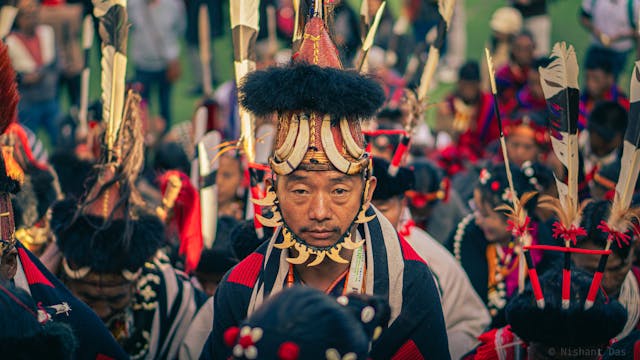
Kohima, Dec 1: The 26th edition of the Hornbill Festival opens today at the Naga Heritage Village, Kisama, coinciding with Nagaland’s Statehood Day. The ten-day celebration, held every year from December 1 to 10, brings together all major Naga tribes for a vibrant showcase of culture, heritage, craft, music, food and traditions. Preparations across Kisama are complete, with inaugural programmes, exhibitions and cultural displays scheduled throughout the day.
This year, several countries including the United Kingdom, Ireland, France, Austria, Malta and Switzerland are participating as international partners, with Arunachal Pradesh serving as the state partner.
Events are also planned at various locations across Nagaland, extending the celebrations beyond Kisama.
What Is the Hornbill Festival?
The Hornbill Festival is one of India’s most celebrated cultural events, popularly known as the “Festival of Festivals.”
It brings together all 17 major Naga tribes, offering visitors a rare window into the customs, dances, folklore, food habits and traditional lifestyles of Nagaland’s indigenous communities.
The festival is named after the Hornbill bird, a majestic species featured prominently in Naga folklore, songs and traditions. The bird symbolizes beauty, bravery and cultural pride — values deeply embedded in Naga society.
Why Was the Hornbill Festival Started?
The Hornbill Festival was launched in 2000 by the Government of Nagaland with three key objectives:
1. To Preserve and Promote Naga Culture
Many tribal rituals, songs and folk traditions were gradually declining. The festival became a platform to revive and preserve these ancient practices.
2. To Encourage Inter-Tribal Harmony
Though diverse, Naga tribes share common roots. The festival strengthens unity and cultural exchange among various tribes.
3. To Boost Tourism and Global Recognition
Nagaland’s natural beauty and cultural richness were largely unknown to the world. Over two decades, the festival has grown into a major global tourism attraction, drawing thousands of visitors each year from India and abroad.
Where Is It Held? — Kisama Heritage Village
The festival takes place at Kisama Heritage Village, 12 km from Kohima.
The village sits along the slopes of a picturesque hill, surrounded by misty mountains and pine forests.
Kisama was designed as a living heritage space, featuring traditional tribal morungs (youth dormitories), cultural stages, handicraft zones, food courts and performance arenas. During the festival, the village transforms into a colourful world of dance, music, art and tradition.
How the Hornbill Festival Is Celebrated
The festival is a grand blend of rituals, performances and community activities. Key features include:
1. Cultural Performances
Traditional dances, folk songs, warrior chants and ceremonial displays by Naga tribes form the core of the event. Each performance narrates stories of ancestry, battles, harvests and rituals.
2. Tribal Morungs (Traditional Huts)
Visitors can explore 17 beautifully decorated morungs — each representing a specific Naga tribe. These serve as interactive spaces where tourists can engage with locals, learn traditional crafts, and observe authentic tribal lifestyles.
3. Games and Indigenous Sports
Mock warrior battles, archery competitions, bamboo pole climbing, Naga wrestling and other indigenous sports showcase the physical agility and skill of tribal communities.
4. Art, Craft and Handlooms
Markets and exhibitions offer handwoven shawls, bamboo crafts, wood carvings, tribal jewellery and traditional home décor — making the festival a paradise for collectors and shoppers.
5. Culinary Experiences
The food courts serve authentic Naga dishes like:
-
smoked pork and bamboo shoot curries
-
fermented soybean and fish preparations
-
sticky rice and millet-based delicacies
-
traditional rice beers
Food enthusiasts can enjoy both traditional tribal meals and fusion dishes inspired by Naga flavours.
Visitor Information: Permits and Travel
-
Indian citizens require an Inner Line Permit (ILP), available online.
-
Foreign tourists, including OCI cardholders, need a Protected Area Permit (PAP).
A Cultural Celebration That Connects the Past and the Future
What began over two decades ago as a cultural preservation initiative has now become one of India’s most iconic cultural festivals. The Hornbill Festival not only celebrates the roots of Naga identity but also creates a bridge between traditional heritage and modern global participation.
Every winter, as mist settles over Kohima’s hills, Kisama Heritage Village comes alive — welcoming thousands of visitors to experience Nagaland’s breathtaking beauty, vibrant culture, warm hospitality and timeless traditions.