

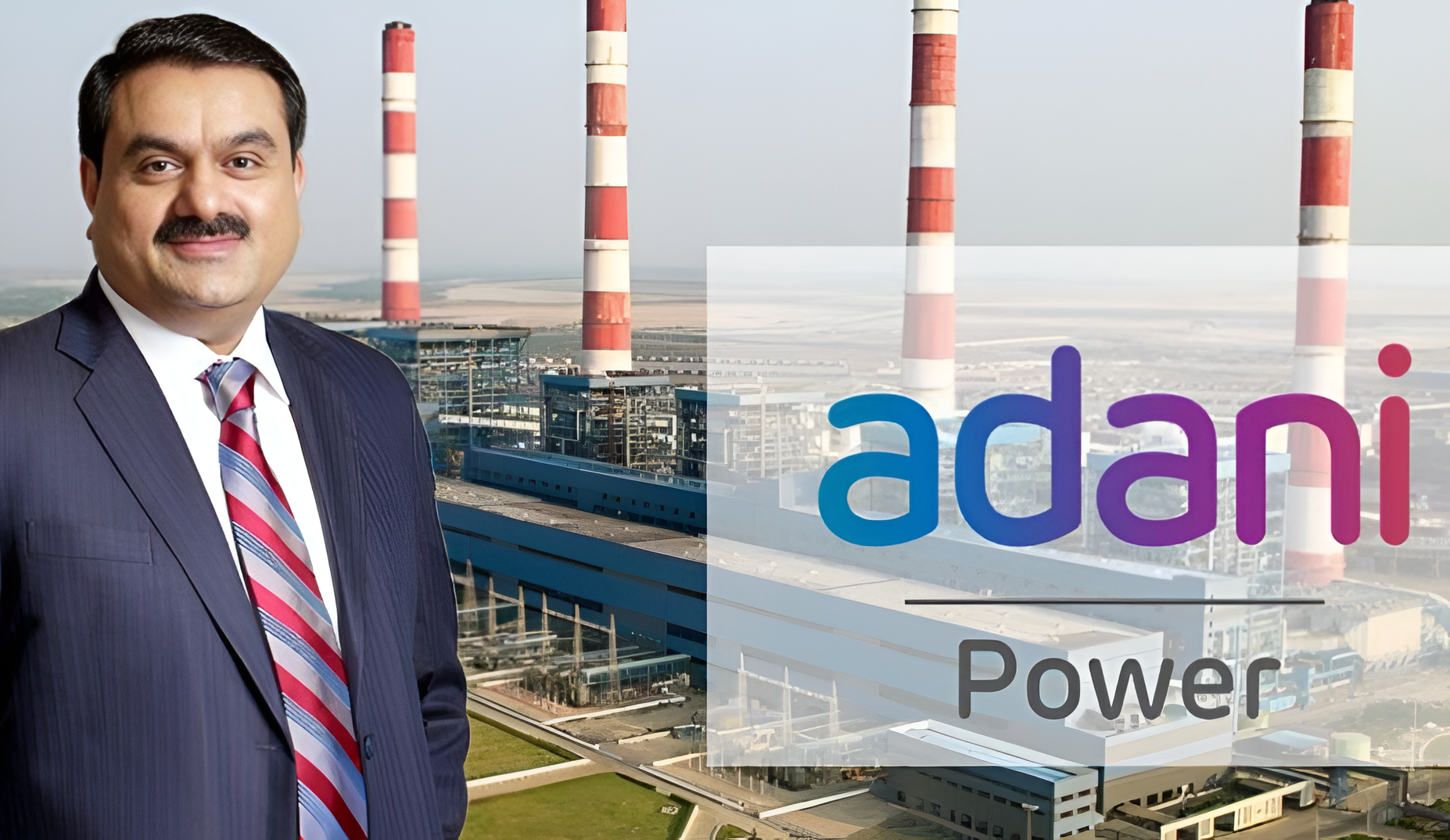
New Delhi: The Adani Group is developing the 2,400 MW Bhagalpur Power Project with an investment of Rs 30,000 crore. Consequently, Bihar will bridge its energy gap and revive local industries. Moreover, the project will generate jobs and create new opportunities for the state’s 13.5 crore residents. This initiative marks a significant boost to Bihar’s economic growth.
For decades, Bihar has remained on the sidelines of India’s industrial growth story. Its demographic strength and location have not attracted significant private investment. The state’s economic indicators highlight a critical gap. Bihar’s per capita GDP is just $776, while power consumption stands at 317 kWh.
In contrast, Gujarat enjoys a per capita GDP of $3,917 and consumes over 1,980 kWh per person. Consequently, industries there thrive.
Reliable electricity fuels jobs, business growth, and rising incomes. Without it, people migrate to states with better opportunities.
Currently, Bihar supplies nearly 34 million workers to other regions. Many young residents seek livelihoods elsewhere due to weak local industry. Against this backdrop, the Bhagalpur (Pirpainti) Power Project emerges as a historic opportunity. Adani Group invests Rs 30,000 crore in the initiative.
The project aims to connect Bihar to India’s growth grid. Moreover, it promises industrial expansion and local employment opportunities.
Historically, the state recorded minimal industrial activity in fifty years. In the past five years, large-scale projects remained nearly nonexistent. About 50 percent of Bihar’s workforce relies on agriculture, forestry, or fishing. Only 5.7 percent work in manufacturing.
Originally planned by Bihar State Power Generation Company in 2012, the Bhagalpur project revived in 2024 after previous delays. The government launched a transparent e-bidding process. Four credible bidders participated: Adani Power, Torrent Power, Lalitpur Power, and JSW Energy.
Adani Power won with a tariff of Rs 6.075 per kWh. Notably, this rate is lower than bids in Madhya Pradesh. The project does not involve land transfer. Bihar retains ownership, leasing it at nominal rent under the 2025 Industrial Investment Policy.
After the project term, the land returns to state control. This approach balances public ownership with private efficiency. Investor confidence grows where transparency and governance prevail. The Bhagalpur model offers a clear template for responsible investment.
Bihar’s electricity demand is rising sharply. Its current generation capacity of 6,000 MW falls short of a peak demand of 8,908 MW in FY25. Consequently, the state imports power from the national grid. Without new projects, Bihar risks a growing energy deficit.
The Central Electricity Authority projects demand at 17,097 MW by FY35. New generation projects remain crucial to sustain industrial growth. The Bhagalpur project adds 2,400 MW to the grid, fulfilling nearly one-fourth of the state’s additional power needs over the next decade.
Infrastructure of this scale creates extensive employment. Experts estimate that Rs 1 crore invested generates 200–250 man-years of work across trades.
Thus, the Bhagalpur project alone could create millions of man-days in construction, logistics, operations, and allied services. Reliable power also attracts industries. Manufacturing zones, transport corridors, and logistics hubs can expand, boosting food processing, textiles, and engineering sectors.
Micro, small, and medium enterprises stand to benefit as energy availability improves. This development could transform Bihar’s industrial landscape. The state’s challenge has never been its people. Instead, limited electricity has constrained local talent and industrial growth.
Bhagalpur represents a shift from subsidy-driven survival to investment-led development. Credible investors, scalable infrastructure, and reliable power converge in this project. Moreover, youth migration could reverse. Local employment opportunities may encourage Bihar’s residents to remain and contribute to the economy.
Finally, Bihar may secure its rightful place in India’s industrial story. The Bhagalpur project could bring power, purpose, and prosperity back home.