

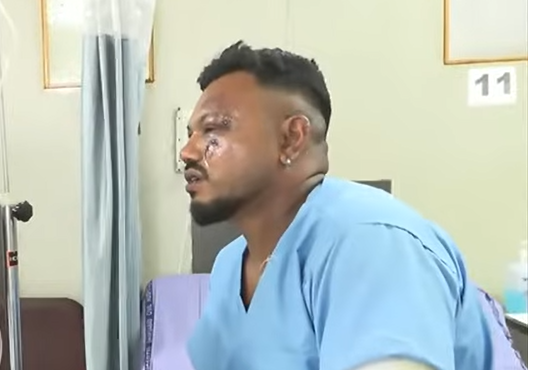
In June 2025, an aircraft tragedy left the world in mourning. Amid the devastation, a single man—Vishwash Kumar Ramesh—emerged as the sole survivor of the disaster. His physical escape was nothing short of miraculous, but his emotional recovery became an even greater challenge. The experience gave rise to Post-Traumatic Stress Disorder in the Air India crash survivor, revealing that mental-health recovery after trauma is as crucial as physical healing. While many survivors must contend with broken bones or visible injuries, the unseen wounds—fear, guilt, and anxiety—can persist long after the body has healed
Understanding Post-Traumatic Stress Disorder (PTSD)
Post‑Traumatic Stress Disorder (PTSD) is a mental-health condition triggered by experiencing or witnessing an event in which one’s life, or that of others, was threatened. For Vishwash, his survival came at a price. He grapples with flashbacks, nightmares, emotional numbness and avoidance—classic symptoms of PTSD linked to his trauma. These responses are not signs of weakness; rather, the brain’s protective mechanisms gone awry. Trauma changes one’s sense of safety, and healing means learning to coexist with the past without letting it dominate the present.
The Hidden Battle: Living with Trauma
For Vishwash, the most difficult fight began after he walked away from the wreckage. The physical wounds faded, but the emotional burden deepened. He lost his brother, a close companion on that ill-fated flight. Survivor’s guilt, fear of flying, constant intrusive memories, and a sense of isolation became daily companions. Many survivors describe a haunting inner voice asking, “Why me?” His world shifted—crowds became overwhelming, airports triggered anxiety, and normal routines were overshadowed by vigilant caution. This is the silent side of survival.
Therapeutic Pathways: From Trauma to Healing
Recovery from PTSD is not linear—it requires courage, patience and support. For Vishwash, professional therapy became central. Treatments such as Cognitive Behavioral Therapy (CBT) and Eye Movement Desensitization and Reprocessing (EMDR) helped him process the traumatic memories. He also turned to mindfulness, meditation and expressive outlets to reclaim emotional balance. Peer support groups provided understanding and validation when others could not. Every night without nightmares, every step into a plane, every conversation with his son became a milestone. Healing doesn’t mean forgetting—it means learning to live despite the memories.
Breaking the Silence: Family, Community and Awareness
Behind Vishwash’s journey lies the silent but essential support network—his family, friends, therapists and fellow survivors. A survivor must often rebuild not just physically but socially. Family and community provide the stability, empathy and space to heal. Equally important is raising public awareness of PTSD. When survivors speak openly about their experiences, they help break the stigma, encourage others to seek help and shift society toward compassion. Healing is not a solitary path—it is a social one.
Conclusion: Hope Beyond Trauma
The story of Vishwash Kumar Ramesh shows that surviving a catastrophe is not the end—it’s the beginning of a different journey. One filled with pain, yes—but also with the possibility of reclaiming life. The experience of Post-Traumatic Stress Disorder in the Air India crash survivor highlights how therapy, community support, and resilience can transform trauma into strength. His story reminds us that mental-health recovery matters as much as physical survival, that trauma doesn’t have to define us—and that healing is an act of courageous everyday living.