

Bangalore, Mar 17: Strengthening specialised pediatric care for complex immune system disorders, Rainbow Children’s Hospital has launched a Dedicated Pediatric Immune Dysregulation service at its Marathahalli unit, Bangalore. The clinic focuses on the spectrum of immune dysregulation, including primary immunodeficiencies, hyperinflammatory disorders, and autoimmune diseases, offering children access to early diagnosis, specialised testing, and integrated treatment under one roof.
Immune dysregulation in children is often difficult to identify in the early stages, as symptoms may mimic common infections or inflammatory conditions. Many children experience prolonged fever, recurrent infections, or multi-organ involvement, which may signal an underlying immune disorder. The launch aims to improve early recognition and comprehensive management of such conditions through specialised evaluation and multidisciplinary care.
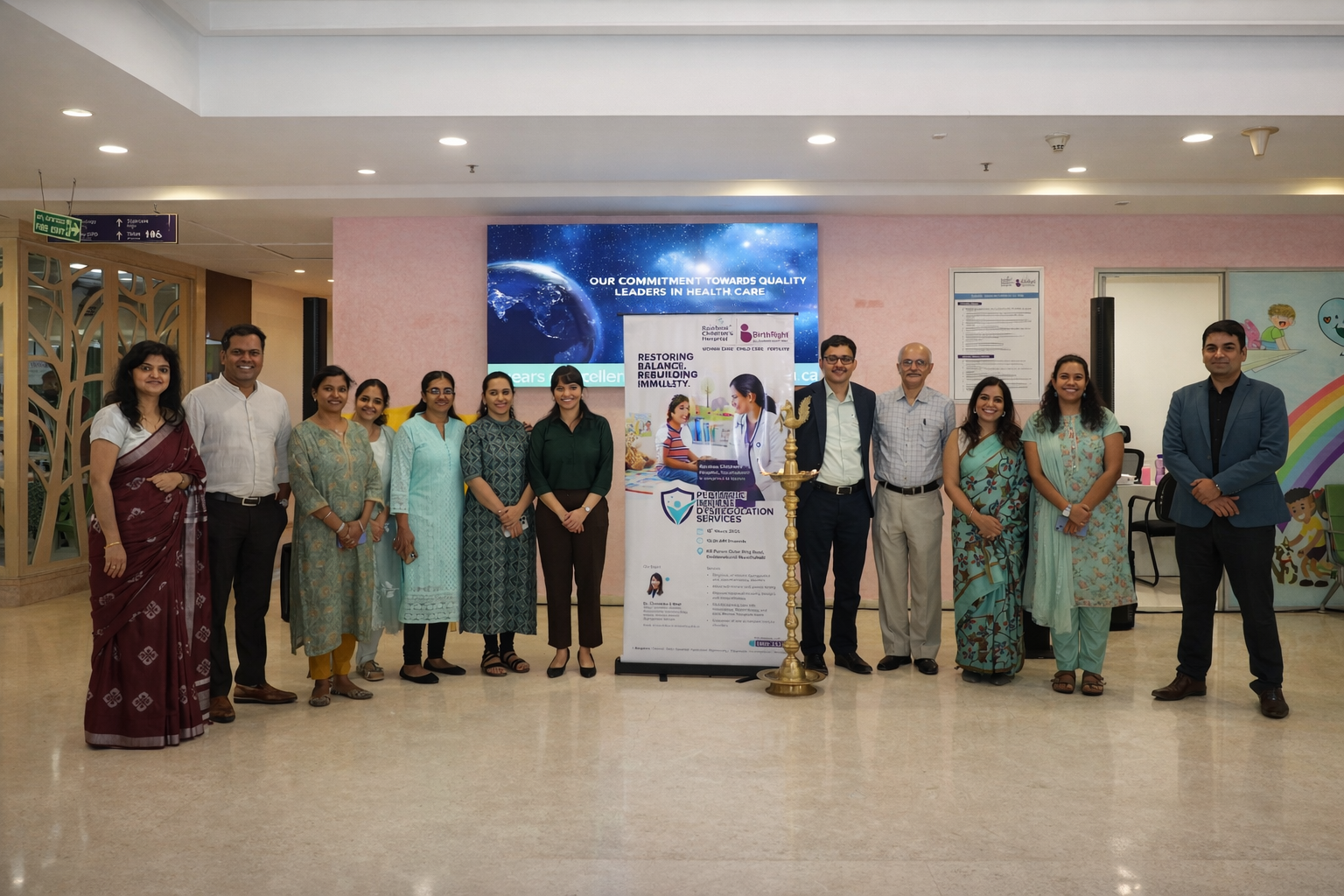
The Pediatric Immune Dysregulation services was formally launched in the presence of senior clinicians and hospital leadership. The inauguration marks a significant step toward providing specialized, multidisciplinary care for children with immune system disorders, including primary immunodeficiencies, autoimmune diseases, and hyperinflammatory conditions.
A key differentiator of these services is their multidisciplinary approach, which brings together experts in immunology, rheumatology, haematology, oncology, and genetics to provide holistic care for children with complex immune disorders. The centre has been designed as a one-stop solution, helping families avoid the need to consult multiple specialists across different facilities.
Speaking about the initiative, Dr Chandrika Bhat, Consultant – Pediatric Rheumatology, Rainbow Children Hospital, Marathahalli, Bangalore, said,
“Immune system disorders in children are often underdiagnosed because their symptoms can closely resemble routine illnesses. At Rainbow Children’s Hospital, we have seen nearly a five-fold increase in children presenting with immune dysregulation-related conditions in the last few years, which highlighted the urgent need for a specialised, multidisciplinary clinic dedicated to these disorders.
With the launch of this Pediatric Immune Dysregulation services, our goal is to enable early diagnosis, deeper clinical evaluation, and access to advanced diagnostics such as genetic testing and immune profiling. This allows us to adopt a precision medicine approach, where treatment can be tailored to each child’s specific immune and genetic profile, significantly improving outcomes and quality of life.”
The clinic is equipped with advanced diagnostic capabilities, including genetic testing and immune profiling, which enable doctors to identify underlying immune abnormalities with greater precision. Based on the diagnosis, children can receive precision-based therapies, targeted treatments, and advanced interventions such as bone marrow transplantation when required.
Doctors highlight that precision medicine is increasingly important in managing pediatric immune disorders, allowing treatment strategies to be tailored to each patient’s specific genetic and immunological characteristics.
Another important aspect of these services is their compassionate care model, which provides eligible patients with support through discounted or free medicines, helping families continue treatment without financial barriers and improving access to essential therapies.
Doctors also stress the importance of preventive care and awareness of immune health. They note that there is no universal “immune booster” for healthy children, and that maintaining a balanced diet, a healthy lifestyle, and timely vaccinations remains the most effective way to support immune health.
Experts also highlighted the psychological impact on children and families dealing with long-term immune disorders and emphasised the importance of holistic care and emotional support throughout treatment and recovery.
The team at Rainbow Children’s Hospital noted that immune disorders in children are increasingly being recognised in India due to improved diagnostic capabilities and growing awareness among doctors. The hospital has observed a steady increase in referrals for suspected immune dysregulation, underlining the need for dedicated specialised services.
