

Hyderabad, Mar 07: On the occasion of International Women’s Day, doctors at CARE Hospitals emphasised the importance of women prioritising their health at every stage of life, noting that preventive care, timely screening, and early medical intervention are critical to improving long-term health outcomes.
Medical experts highlighted that many women in India continue to face several health challenges that remain undiagnosed or untreated due to delayed medical consultations. According to government health data, India’s maternal mortality ratio stands at around 97 deaths per 100,000 live births, indicating that pregnancy-related complications remain a concern in several parts of the country.
Nutritional deficiencies also continue to impact women’s health significantly. Data from the National Family Health Survey shows that over 57% of women aged 15–49 years in India are affected by anaemia, underscoring the need for improved nutrition and greater awareness around preventive healthcare.
Doctors noted that regular health check-ups and screening tests play a vital role in detecting diseases early and improving treatment outcomes. However, many women delay seeking medical advice due to work commitments, family responsibilities, or the tendency to overlook early symptoms.
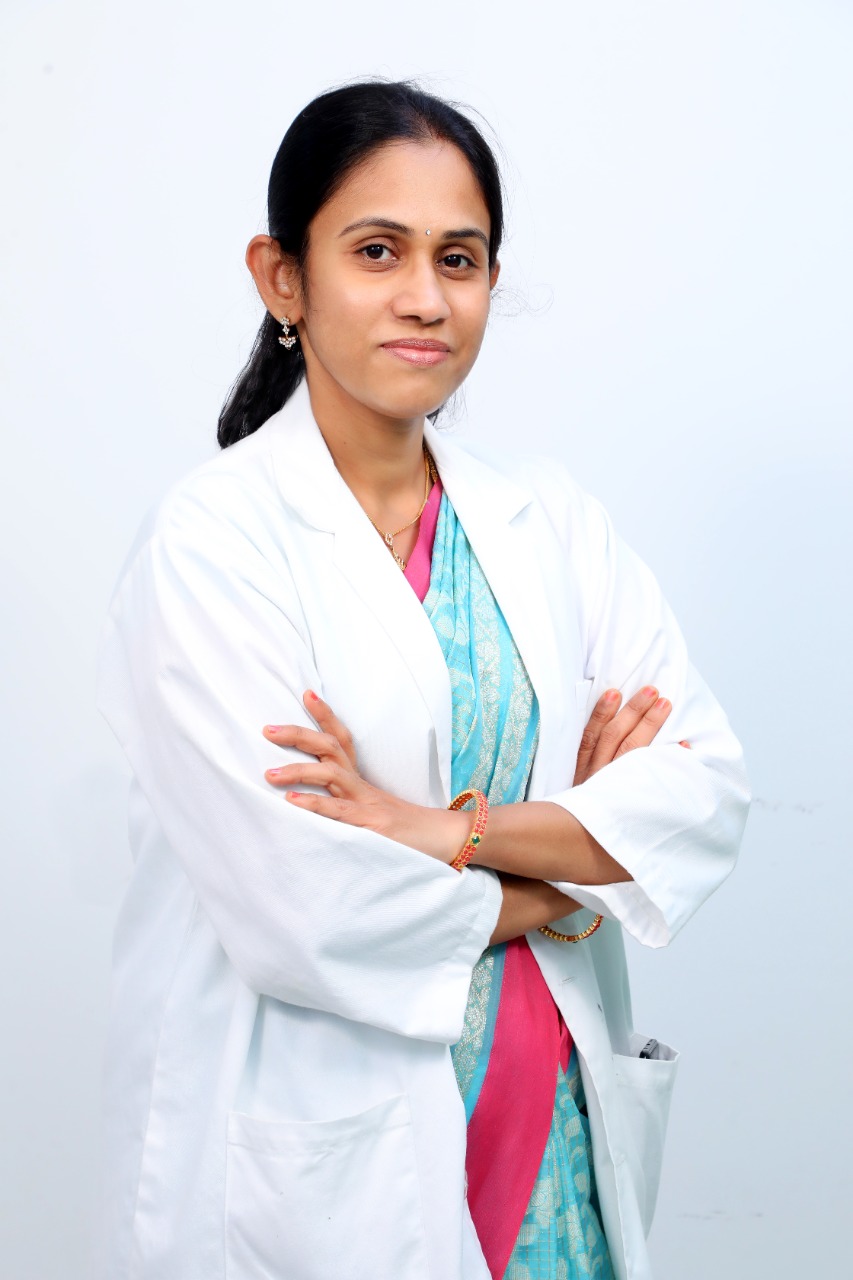
Dr. Muthineni Rajini, Senior Consultant – Obstetrician & Gynecologist, Infertility Specialist, Laparoscopic and Robotic Surgeon, CARE Hospitals, Banjara Hills, said women often prioritise the health needs of their families ahead of their own.
“Routine health check-ups, cervical cancer screening and regular gynaecological consultations are essential for early detection of potential health issues. In India, conditions such as anaemia, thyroid disorders and cervical cancer are relatively common, but they are often diagnosed at a later stage. Strong women build strong generations. This Women’s Day, take a moment to care for the most important person — yourself,” she said.
Dr. Kranthi Shilpa, Senior Consultant – High Risk Obstetrician & Gynaecologist, Laparoscopic Surgeon and Infertility Specialist at CARE Hospitals, Banjara Hills, explained that women go through several hormonal transitions during their lives.
“From adolescence to reproductive years and later during perimenopause and menopause, symptoms such as irregular menstrual cycles, persistent pelvic pain, fatigue or mood changes should not be ignored. Early medical consultation can help manage these conditions effectively and improve overall quality of life,” she said.
Highlighting the rising burden of cancer among women, Dr. Satish Pawar, Senior Consultant and Head – Surgical Oncology & Robotic Surgery at CARE Hospitals, Hitech City, said breast cancer has emerged as the most commonly diagnosed cancer among women in India, while cervical cancer continues to be a leading cause of cancer-related deaths.
“The encouraging aspect is that many of these cancers are preventable or highly treatable if detected early. Regular screening through mammography, Pap smears and awareness about HPV vaccination can significantly reduce risk and improve survival outcomes,” he said.
Doctors added that women face different health concerns at various stages of life. During adolescence, menstrual irregularities, anaemia and hormonal disorders such as Polycystic Ovary Syndrome are commonly reported. During reproductive years, issues may include fertility challenges, pregnancy-related complications and thyroid disorders. As women approach menopause, hormonal changes can increase the risk of conditions such as Osteoporosis and Cardiovascular Disease.
Doctors also noted that changing lifestyles, rising stress levels and sedentary habits in urban centres such as Hyderabad have contributed to an increase in hormonal disorders, metabolic conditions and lifestyle-related diseases among women.
They stressed that greater awareness about preventive healthcare, timely medical consultations and regular screening can help women manage different stages of life with confidence and maintain better long-term health.