

Water testing is a crucial process used to evaluate the quality and safety of water for drinking, agriculture, industry, and recreational use. Clean and safe water is essential for human health, environmental balance, and the sustainability of ecosystems. By identifying harmful substances and monitoring water conditions, testing helps protect both people and natural resources.
Importance of Water Testing
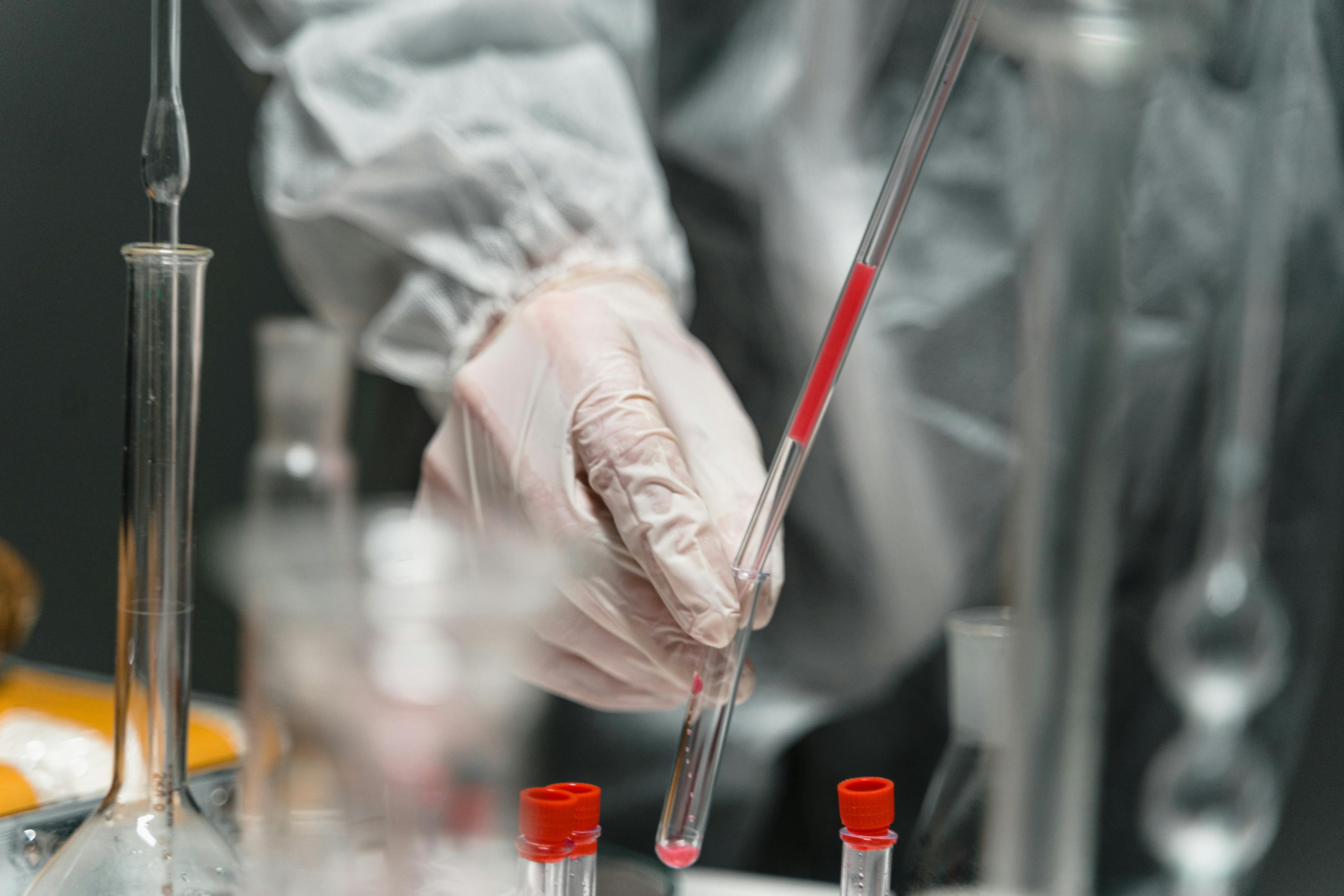
The main purpose of water testing is to detect contaminants that may pose risks to both human health and the environment. Water can become polluted by microorganisms, toxic metals, and various chemical substances originating from natural processes as well as human activities. When these contaminants exceed safe limits, they can cause serious health issues and disrupt ecological balance.Regular testing, especially through a water testing laboratory Bhubaneswar, ensures that water quality remains within acceptable standards and enables timely action when contamination is detected. It also contributes to environmental protection by helping industries and communities manage waste effectively and reduce pollution. In recreational settings, proper water testing helps ensure that lakes, rivers, and swimming areas are safe for public use.
Types of Water Testing
Water quality is typically assessed through three main approaches:
Physical Testing
This involves examining characteristics such as temperature, color, clarity, and smell. These properties can indicate the presence of impurities or environmental changes affecting water quality.
Chemical Testing
Chemical analysis measures substances like pH, dissolved oxygen, nutrients, and metals. Imbalances or high concentrations of certain chemicals can make water unsafe for consumption and harmful to aquatic life.
Biological Testing
This type focuses on detecting microorganisms such as bacteria, viruses, and protozoa. The presence of these organisms may indicate contamination and potential health risks.
Common Water Contaminants
Water sources can be affected by a variety of pollutants. Some of the most common include:
- Microorganisms from sewage or animal waste, which can cause disease
- Heavy metals such as lead and arsenic, often introduced through industrial activities or aging pipelines
- Agricultural chemicals like pesticides and fertilizers that enter water through runoff
- Household and industrial waste, including cleaning agents and pharmaceutical residues
Understanding these contaminants is essential for choosing the right testing and treatment methods.
Water Sampling Techniques
Accurate results depend on proper sample collection. Two widely used methods are:
- Grab Sampling: A single sample taken at a specific time, useful for quick assessments
- Composite Sampling: Multiple samples collected over time or from different locations and combined to provide a more representative analysis
Care must be taken to use clean containers and proper handling techniques to avoid contamination during sampling.
Water Testing Methods
There are two primary ways to analyze water:
Field Testing
Portable kits allow on-site testing and provide quick results for basic parameters. These are useful for immediate assessments but may not always be highly precise.
Laboratory Testing
Samples are analyzed in controlled environments using advanced equipment. This method provides detailed and accurate results, making it suitable for thorough evaluations.
Interpreting Water Test Results
Test results are usually expressed in units that indicate the concentration of substances in water. These values must be compared to accepted safety limits to determine whether the water is safe.
If contaminant levels are too high, appropriate measures should be taken, such as treating the water or installing filtration systems. In some cases, expert guidance may be needed to address the issue effectively.
Home Water Testing Kits
Home testing kits provide a simple and affordable way to check water quality. They are easy to use and can quickly identify common issues.
Advantages:
- Fast and convenient
- Affordable for regular monitoring
Limitations:
- Less accurate than professional testing
- Limited ability to detect all contaminants
For more detailed analysis, professional laboratory testing is recommended.
Best Practices for Maintaining Water Quality
To ensure safe water, the following practices are recommended:
- Test water regularly, especially in areas relying on private sources
- Pay attention to changes in taste, odor, or appearance
- Use appropriate filtration or purification systems
- Stay informed about local water conditions
- Support community efforts to protect water resources
Conclusion
Water testing plays a vital role in protecting health, preserving the environment, and ensuring access to safe water. By understanding how water is tested and taking preventive measures, individuals and communities can maintain high water quality standards. Consistent monitoring and responsible practices are key to safeguarding this essential resource for the future.
