

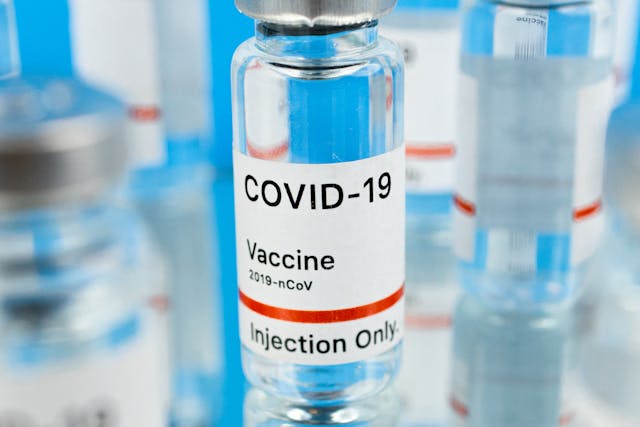
Amid widespread misinformation since the start of the COVID-19 pandemic, concerns about vaccines affecting fertility have persisted, particularly on social media. However, extensive research and data from major health organizations consistently show that COVID-19 vaccination does not impact fertility in men or women.
Recent studies have provided further clarity. A large-scale investigation in Sweden analyzed nearly 60,000 women aged 18 to 45 over the period from 2021 to 2024. Around 75% of these women had received at least one dose of a COVID-19 vaccine. The researchers examined childbirth rates, miscarriages, and other pregnancy outcomes using comprehensive healthcare records. The findings showed no significant differences in childbirth or miscarriage rates between vaccinated and unvaccinated women.
These results align with earlier studies globally. Research has shown that male fertility indicators, such as sperm count, motility, and morphology, are unaffected by vaccination, whereas COVID-19 infection itself can temporarily reduce male fertility due to fever and inflammation. Similarly, female fertility, including ovarian response, egg quality, fertilization rates, and pregnancy success, remains unaffected by the vaccines.
Major health organizations, including the Centers for Disease Control and Prevention (CDC) and the American College of Obstetricians and Gynecologists, recommend COVID-19 vaccination for individuals planning pregnancy, those currently pregnant, or breastfeeding. COVID-19 infection during pregnancy carries significant risks, including hospitalization, preterm birth, and stillbirth, making vaccination a safer choice.
The unfounded rumor that vaccines could target a placental protein called syncytin-1 has been scientifically debunked. There is no meaningful similarity between the protein targeted by the vaccine and syncytin-1, making the concern biologically implausible.
Experts suggest that the decline in childbirth in some countries, including Sweden, is not related to vaccination. Factors such as demographic trends, economic conditions, and behavioral changes during the pandemic are more likely explanations.
In conclusion, COVID-19 vaccines are safe for reproductive health, and current evidence strongly confirms that they do not reduce fertility. Individuals planning a pregnancy can confidently follow vaccination recommendations without concerns about future fertility.