

How many times have you planned a routine health checkup and then pushed it aside because nothing felt urgent? Apparently, it’s a common pattern, and as long as things seem manageable, we carry on.
The issue is not intent. It is what happens in between. Sleep gets irregular. Fatigue lingers. Recovery slows down. These are easy to overlook because they build gradually and rarely force immediate action. That gap, between what the body signals and what actually gets checked, is where a new set of at-home devices is finding relevance. They do not replace clinical diagnosis. But they make it easier to notice changes early, without waiting for a doctor visit.
Here are five such devices that are starting to find a place in everyday routines.
1. Withings Body Scan
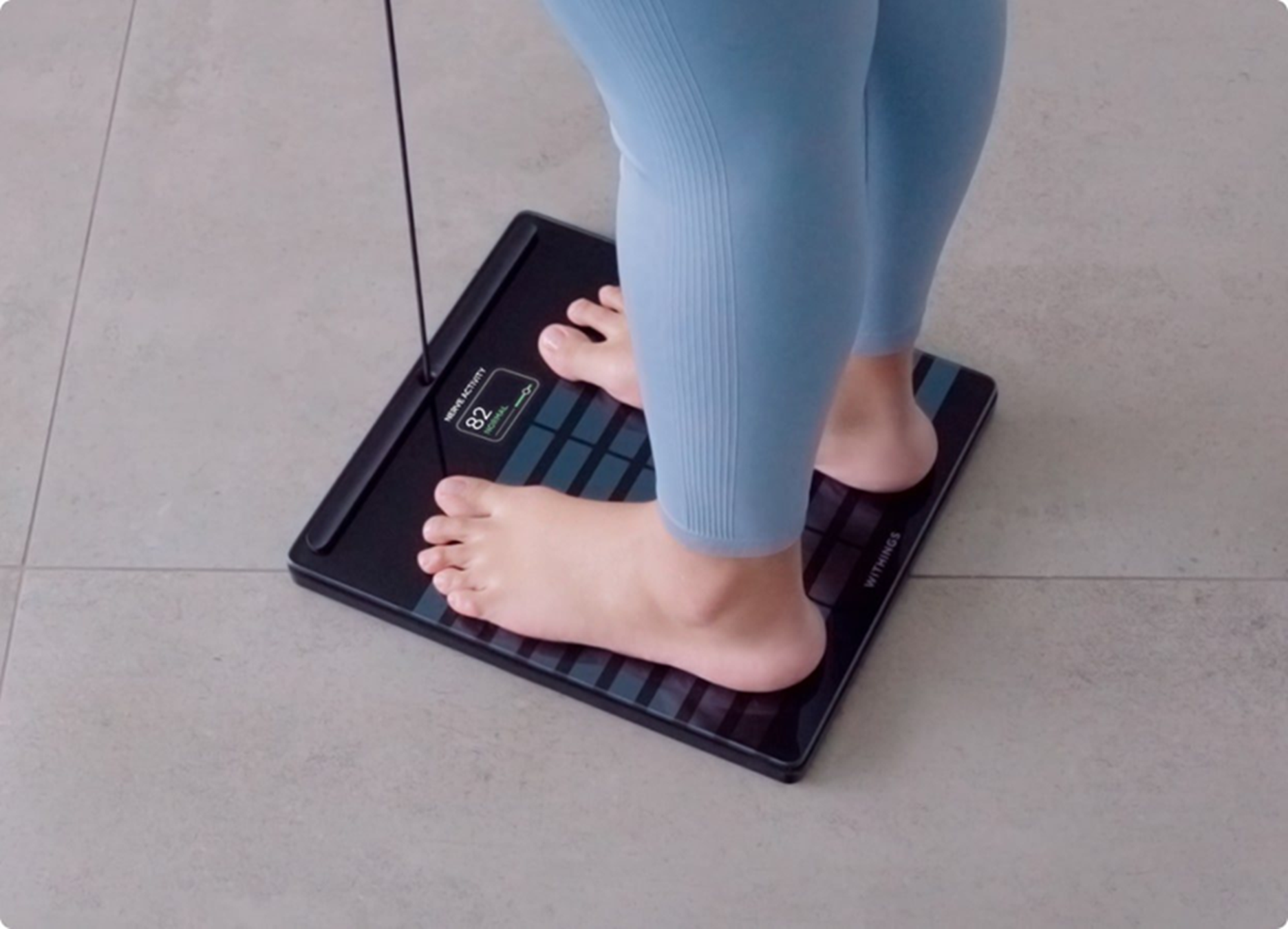
A regular weighing scale gives you a number and that is about it. The Body Scan tries to explain that number. It breaks down body composition into fat, muscle, water levels, and more importantly, where these are distributed. That last part tends to get overlooked, but it is often what doctors pay attention to. Fat around the abdomen, for instance, carries different risks compared to fat stored elsewhere.
There is also an ECG feature built into the handle, which can help flag irregular heart rhythms. Alongside that, it tracks nerve activity, something that can be useful for people already monitoring metabolic health. Used daily, it starts showing trends. Not dramatic changes, but small shifts that add up over time.
2. Ultrahuman Ring AIR
Sleep is one of those areas where perception and reality do not always match. The Ring AIR helps close that gap. It tracks heart rate variability, resting heart rate, skin temperature, and different stages of sleep. The advantage is that it does not feel intrusive. You wear it like a ring and go about your day.
Instead of pushing a lot of numbers, it simplifies things into recovery and readiness scores. If your body is under stress or you are not fully recovered, it shows up there first. Over a few weeks, patterns become clearer. Late nights, heavy meals, erratic schedules, all of it reflects in the data. That tends to change behaviour more effectively than advice.
3. Robotouch EcoLax SL Track Zero Gravity Massage Chair
Back and shoulder pain has become fairly common, especially for people who spend most of their day sitting. This chair is built to address that in a structured way. The SL track follows the natural curve of the spine, so the massage is not limited to one area. It moves from the neck down to the lower back.
The zero gravity setting helps reduce pressure on the spine, which allows muscles to relax more fully. There are different massage styles, along with air compression for the arms and legs, and heat for added relief. What makes a difference is regular use. It is less about occasional comfort and more about daily recovery.
4. ARC Level Up Air Leg Massage
Heavy legs at the end of the day are easy to ignore, but they usually point to fatigue building up over time. This device works through air compression. The sleeves inflate in a sequence, pushing blood upward through the legs. It is a method commonly used in sports recovery, now adapted for everyday use.
It can help reduce swelling and improve circulation, especially for people who stand for long hours or travel frequently. The pressure can be adjusted, and sessions are short enough to fit into a daily routine. The relief is fairly immediate, which is why users tend to stick with it.
5. ResMed AirSense 10
Sleep apnea is often missed because people assume disturbed sleep is normal. The AirSense 10 is designed for those who have been diagnosed with the condition. It keeps the airway open during sleep by maintaining steady air pressure, preventing interruptions in breathing.
The device adjusts pressure on its own based on breathing patterns, which makes it easier to use over time. It also includes humidification to reduce dryness. There is app connectivity as well, so both the user and doctor can track usage and progress. For someone with sleep apnea, regular use is important. It can improve sleep quality and reduce strain on the heart over time.
Closing
What stands out across these devices is not just the technology, but the role they play. People are not waiting for a problem to escalate. They are trying to understand their bodies a little earlier. These devices do not replace medical advice. But they do make it easier to notice when something is changing. And that, in many cases, is where intervention begins.
