

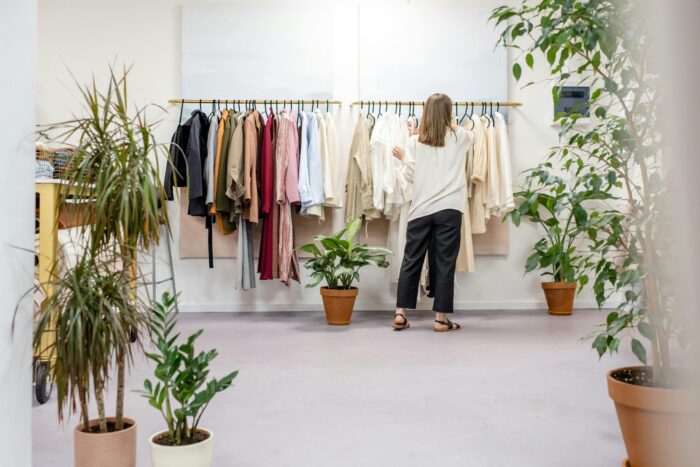
Fashion in 2026 isn’t just about what’s trending — it’s about what feels right.
Feb 23: People are dressing with intention. They’re choosing outfits that reflect who they are, what they believe in, and how they want to move through the world. The modern wardrobe is softer, smarter, more inclusive, and far more conscious than it was a decade ago.
This year, fashion blends four powerful forces: comfort, sustainability, technology, and nostalgia. Together, they’re reshaping not just closets — but conversations.
Comfort Is the New Status Symbol
Once upon a time, fashion meant discomfort. Tight fits, rigid tailoring, sky-high heels.
In 2026, comfort signals confidence.
Relaxed silhouettes, flowing fabrics, and elevated loungewear dominate both luxury and streetwear. Oversized blazers, wide-leg trousers, breathable cotton sets, and soft knits feel polished yet effortless. Even high-fashion houses like Gucci and Balenciaga have embraced fluid tailoring and laid-back structure.
Why? Because people want versatility. They want outfits that work for a video call, a coffee meeting, and a dinner out — without needing a wardrobe change.
Comfort is no longer casual. It’s contemporary luxury.
Sustainability Is No Longer Optional
If 2026 has a defining mindset, it’s awareness.
Consumers are asking deeper questions:
- Who made my clothes?
- What materials were used?
- What happens to this garment after I’m done with it?
Sustainable fashion is no longer a niche movement — it’s a baseline expectation. Brands like Stella McCartney and Patagonia have long championed eco-conscious design, but now even mainstream labels are adopting recycled fabrics, plant-based leather alternatives, and circular production models.
Resale platforms are booming. Clothing rental is growing. Capsule wardrobes are replacing impulse buys.
Fashion in 2026 encourages buying better — not just buying more.
And that shift is powerful.
Technology Is Quietly Transforming the Industry
Behind the scenes, technology is changing everything.
Artificial intelligence is helping brands forecast trends more accurately, reducing overproduction and waste. Smart supply chains are making transparency possible. Some brands are even experimenting with digital-only fashion for virtual spaces.
Innovators like Nike are integrating smart textiles and performance-focused materials, while luxury houses such as Louis Vuitton are exploring digital fashion experiences.
In 2026, tech isn’t replacing creativity — it’s enhancing it.
From temperature-regulating fabrics to AI-assisted design, fashion is becoming more intelligent without losing its artistic soul.
Nostalgia Brings Emotional Comfort
Interestingly, while fashion looks forward technologically, it also looks back emotionally.
The revival of 1990s and early 2000s aesthetics continues to shape collections. Think cargo pants, metallic fabrics, vintage sunglasses, and reimagined low-rise silhouettes. Iconic houses like Versace and Prada are revisiting archival designs with modern updates.
But this isn’t simple repetition.
Designers are reworking nostalgia with better tailoring, inclusive sizing, and sustainable materials. It’s familiar — yet evolved.
In uncertain times, nostalgia offers emotional grounding. Fashion understands that.
Inclusivity Is Reshaping Runways
Perhaps the most meaningful transformation in 2026 is inclusivity.
Fashion weeks like Paris Fashion Week and London Fashion Week are increasingly spotlighting diverse models across body types, ages, and backgrounds. Gender-neutral collections are gaining prominence. Adaptive clothing lines are expanding.
Representation is no longer performative — it’s expected.
Consumers want to see themselves reflected in the brands they support. And forward-thinking labels are listening.
Fashion feels more democratic, more global, and more human than ever before.
Dressing as Self-Expression and Responsibility
In 2026, getting dressed is an act of storytelling.
An oversized blazer might signal confidence and comfort. A thrifted vintage piece might reflect environmental consciousness. A smart-fabric jacket might express curiosity for innovation.
Style is no longer dictated solely by designers — it’s co-created by communities, digital culture, and personal values.
Social media accelerates micro-trends, but consumers are becoming more mindful. Instead of chasing every viral look, many are building curated wardrobes aligned with their identity and ethics.
That balance — between expression and responsibility — defines fashion today.
What This Means for the Fashion Industry
For brands, the message is clear:
- Sustainability drives loyalty.
- Transparency builds trust.
- Inclusivity expands markets.
- Technology improves efficiency.
Fashion companies that integrate these elements aren’t just staying relevant — they’re building long-term growth.
The future belongs to brands that understand fashion is both creative and conscious.
Final Thoughts: Fashion with Feeling
Fashion in 2026 isn’t loud for the sake of attention. It’s thoughtful.
It blends comfort with sophistication, nostalgia with innovation, and style with sustainability. It reflects a world that is more connected, more aware, and more expressive.
Most importantly, it proves that what we wear matters — not just visually, but socially and environmentally.
The modern wardrobe isn’t just about trends.
It’s about intention.