

London, Mar 25: As artificial intelligence becomes an integral part of the global workforce, concerns have emerged regarding potential disruptions to women’s careers. However, recent data indicates that women are steadily advancing in STEM fields worldwide, challenging traditional perceptions of male-dominated industries.
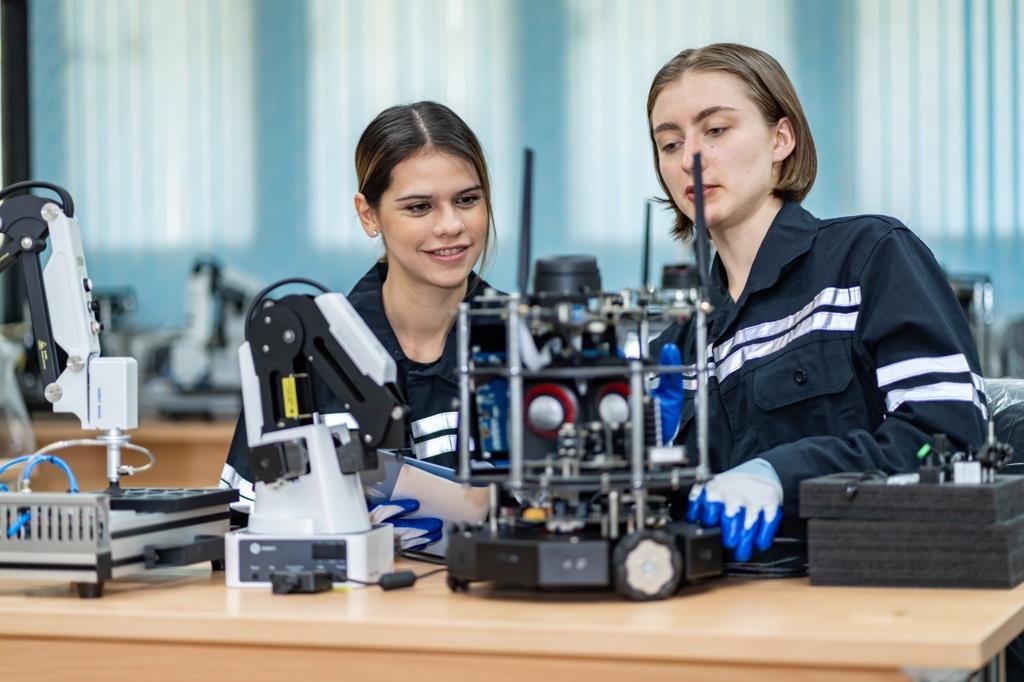
According to the International Labour Organisation, women may face higher risks of job disruption as roles evolve. Yet, reports from The National Center for Biotechnology Information highlight that women in India account for over 40% of STEM graduates, while the UAE reports more than 50% participation in several programs. In countries such as Malaysia and Tunisia, STEM education is nearing gender parity, and in the UAE, women constitute 56% of STEM graduates from government universities.
In traditional education hubs like the United States, United Kingdom, and Germany, progress is slower but ongoing, with female STEM participation ranging between 30% and 36%. A significant trend is the rise of women in AI and engineering, with the World Economic Forum reporting that women now make up around 22% of the global AI workforce, up from 15% a decade ago.
Despite these gains, global STEM participation remains uneven. UNESCO data indicates women represent roughly 35% of STEM students worldwide, with access and support systems playing a critical role in furthering progress.
Sonal Kapoor, Global Chief Business Officer at Prodigy Finance, stated:
“Opportunity alone isn’t enough. Progress depends on the support women receive—clear pathways, removal of barriers, and active encouragement are essential to help more women enter STEM.”
She added, “Barriers such as visa delays, application fees, or lack of financial support still hold many women back. Initiatives like ProdiShe, launched with NovaGrad, aim to empower women to take that first step with confidence.”
Sonal concluded: “Feminism today is about recognising global talent and ensuring women aren’t held back by perception. Pioneers like Kalpana Chawla and students like Prachi Mahapatra from Odisha demonstrate that women are stepping into global careers and making their mark in technology with ambition and excellence.”
This momentum underscores the growing role of women in shaping the future of technology and AI, highlighting the importance of sustained support and global initiatives to ensure equitable participation.
