

Mar 27: India and Hungary are advancing a new phase of bilateral cooperation, deepening ties across space research, technology, and higher education. The collaboration reflects a broader global shift toward multipolar, partnership-driven space exploration, where emerging and mid-sized nations play increasingly strategic roles.
At the forefront of India’s space ambitions is Indian Space Research Organisation, which has achieved significant milestones in lunar exploration, Mars missions, and solar observation. The upcoming Gaganyaan programme represents a major step toward establishing India’s independent human spaceflight capability, driving advancements in systems integration, materials science, and mission operations.
Hungary has emerged as a key, though understated, partner in this journey. Hungarian-developed high-reliability communication and microwave systems have been integrated into major Indian missions, including the Chandrayaan series and the Mars Orbiter Mission. These contributions were delivered by BHE Bonn Hungary, which has maintained a long-standing industrial presence in India.
“Our objective in India has always been to provide solutions to emerging technological challenges,” said János Solymosi, Space and Aviation Technology Director at BHE Bonn Hungary. “Our collaboration spans key missions, including lunar and Mars programmes, where advanced communication systems played a critical role.”
Expanding Collaboration in Human Spaceflight
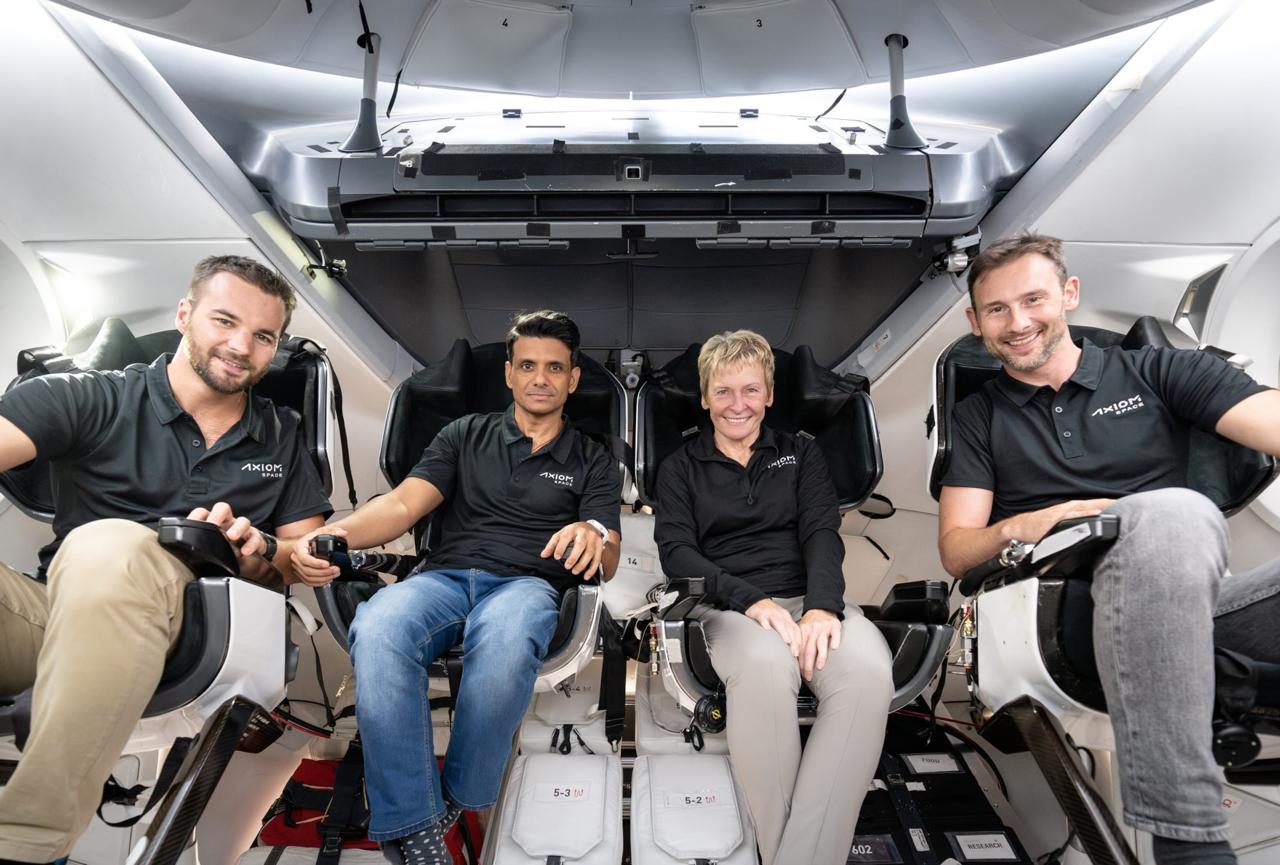
Bilateral ties reached a new milestone during the Axiom Mission 4 in 2025, where Indian astronaut Shubhanshu Shukla and Hungarian astronaut Tibor Kapu conducted joint scientific work aboard the International Space Station. The mission marked Hungary’s return to crewed spaceflight after over four decades and provided valuable operational experience for India’s Gaganyaan programme.
This collaboration underscores a growing relationship built not only on technology but also on shared expertise, trust, and human capital development.
Academic and Research Synergies
Beyond industrial cooperation, academic partnerships are emerging as a critical pillar of the India–Hungary relationship. Budapest University of Technology and Economics, one of Central Europe’s leading technical institutions, is playing a key role in integrating spaceflight experience into research and education.
Hungarian astronauts, including Tibor Kapu and Gyula Cserényi, are pursuing doctoral research at BME in space-related fields, reflecting a structured approach to converting mission experience into scientific advancement.
For Indian students and researchers, collaboration with BME offers access to European Union research frameworks, advanced laboratories, and industry-linked academic programmes, strengthening global knowledge exchange.
A Forward-Looking Strategic Partnership
As India progresses toward human spaceflight, partnerships like that with Hungary are becoming increasingly important. The collaboration combines industrial expertise, operational experience, and academic integration—key elements for sustained progress in the global space ecosystem.
In an era where space missions rely on interconnected global networks, the India–Hungary partnership exemplifies a mature model of international cooperation. It highlights how technology, education, and innovation can converge to shape the future of space exploration.
