

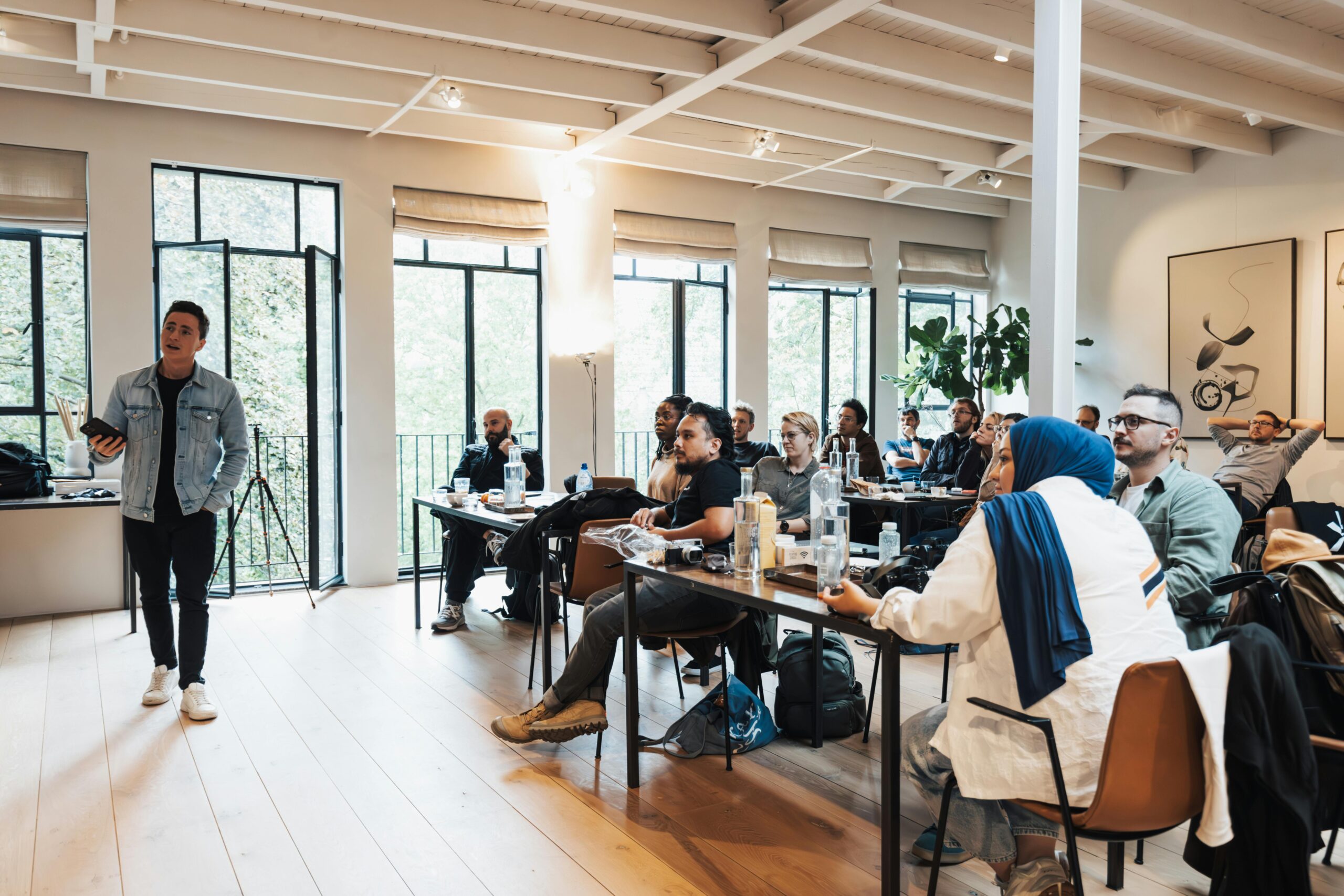
Why communication, emotional intelligence, and adaptability can be developed with the right training and mindset
The Question Everyone Asks (But Rarely Answers Well)
We have all heard it at some point.
“She’s just a natural leader.”
“He’s not a people person.”
“They’re great technically, but soft skills aren’t really their thing.”
These statements sound harmless, but they carry a powerful assumption—that soft skills are something you are born with, not something you can learn. In today’s fast-changing workplaces, this belief can quietly hold people back.
So let’s pause and ask the real question: can soft skills actually be taught, or are they just part of someone’s personality?
The answer may surprise you.
What Are Soft Skills, Really?
Soft skills are not vague personality traits or corporate buzzwords. They are the everyday human abilities that shape how we work with others and handle real-life situations. Communication, emotional intelligence, adaptability, teamwork, problem-solving, and leadership all fall into this category.
Think about it this way. You might be excellent at your job on paper, but if you struggle to explain ideas, handle feedback, or work through conflict, progress becomes difficult. That’s why employers increasingly say the same thing: technical skills may get you hired, but soft skills help you grow.
As automation and AI take over repetitive tasks, the human side of work—how we connect, collaborate, and lead—has never been more important.
The Myth: You Either Have Soft Skills, or You Don’t
One of the biggest myths around soft skills is that they are fixed. We often assume confident speakers were always confident or that empathetic leaders were simply “born that way.”
In reality, many people who appear naturally skilled socially worked hard to get there. Confidence was practiced. Communication was learned. Emotional awareness came from experience and reflection.
When we treat soft skills as something unchangeable, we limit growth. People stop trying to improve because they believe there’s no point. Organizations hesitate to invest in training because they think results can’t be measured.
But everyday workplace experiences tell a different story.
The Reality: Soft Skills Are Learnable
Soft skills are not magic. They are behaviors. And behaviors can be learned, practiced, and improved.
Think about someone who once struggled with public speaking but now leads meetings with ease. Or a manager who used to avoid difficult conversations but now handles them calmly and clearly. These changes did not happen overnight, but they did happen.
Research consistently shows that long-term career success depends more on interpersonal skills than technical expertise alone. This is why companies that invest in communication training, leadership development, and emotional intelligence often see better collaboration, stronger morale, and higher productivity.
The key difference between hard skills and soft skills is not whether they can be taught—it’s how they need to be taught.
How Soft Skills Are Actually Taught
You cannot teach soft skills the same way you teach coding or accounting. Reading a slide deck on empathy will not suddenly make someone empathetic.
Soft skills grow through experience and reflection. Role-playing helps people practice real conversations. Group discussions improve listening and perspective-taking. Feedback sessions create awareness of blind spots. Coaching helps individuals understand their habits and adjust them over time.
The most effective training programs feel practical, not theoretical. They mirror real workplace situations and encourage people to step slightly outside their comfort zones—safely and constructively.
Why Soft Skills Training Isn’t Always Easy
Teaching soft skills comes with challenges. Some people feel defensive when their behavior is discussed. Others believe these skills are “common sense” and don’t need training.
Measuring progress can also be tricky. You can test technical knowledge, but how do you measure better listening or improved collaboration? Often, the real evidence appears in everyday work—smoother meetings, fewer conflicts, stronger teams.
Cultural differences add another layer. Communication styles vary, and what works in one environment may not work in another. That’s why soft skills training needs to be flexible and context-aware.
Environment Matters More Than We Think
Soft skills do not develop in isolation. A supportive environment makes a huge difference.
When people feel safe to speak up, ask questions, and make mistakes, they learn faster. Strong role models also matter. Watching colleagues handle pressure, feedback, or conflict with calm confidence teaches more than any textbook.
Mentorship, teamwork, and real responsibility all accelerate growth. Often, the biggest soft skills lessons come from everyday work—not formal training sessions.
Real-World Proof That Soft Skills Can Be Built
Across industries, organizations are seeing the benefits of focusing on soft skills. Teams communicate better. Leaders manage more effectively. Employees feel more engaged and valued.
In education, students exposed to communication and teamwork early adapt more easily to professional environments. In service and healthcare sectors, empathy and communication training directly improve outcomes and satisfaction.
The pattern is clear: when soft skills are treated as learnable, people rise to the challenge.
What the Future Looks Like
As remote and hybrid work becomes normal, soft skills will matter even more. Clear communication, emotional awareness, and adaptability are essential when teams don’t share the same physical space.
New learning tools like virtual simulations and interactive digital training are making soft skills education more accessible and engaging. At the same time, there is growing recognition that learning these skills is not a one-time event—it’s a lifelong process.
Final Thought: Let’s Drop the Myth
Soft skills are not reserved for a lucky few. They are not fixed personality traits or unteachable qualities.
They are skills—human skills—that can be learned, practiced, and strengthened over time.
When individuals believe they can improve, they try. When organizations invest in development, people grow. And when both happen together, workplaces become more effective, inclusive, and human.
So the next time someone says, “I’m just not good with people,” the better response might be: “Not yet.”