

Mar 20: With around 61% of India’s land area classified as moderate to high earthquake hazard zones, the need for skilled engineers trained in seismic resilience has never been greater. The Budapest University of Technology and Economics (BME), with over 240 years of engineering education and a strong international reputation, is preparing the next generation of Indian civil engineers to meet this challenge.
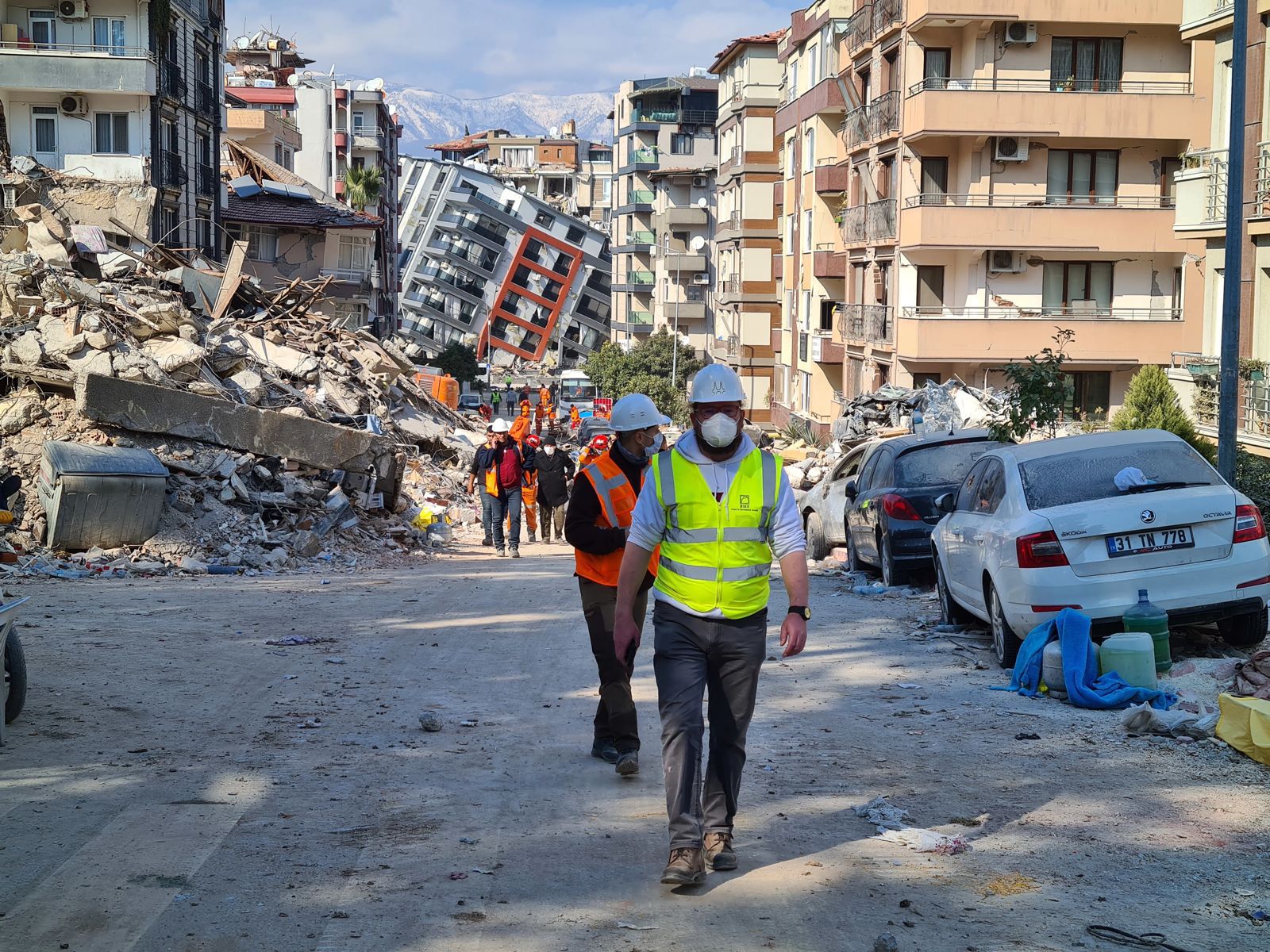
India’s seismic history underscores the urgency. The 1993 Latur earthquake caused nearly 10,000 deaths and displaced about one million residents, while the 2001 Bhuj earthquake claimed around 20,000 lives and damaged hundreds of thousands of buildings. As the country rapidly urbanizes, engineers must be equipped to design, retrofit, and manage structures that protect people and maintain critical services during earthquakes.
Dr. Attila László Joó, Associate Professor at BME’s Faculty of Civil Engineering and structural expert with Hungary’s HUNOR urban search and rescue team, emphasizes the practical importance of BME’s approach: “Whether we work in Central Europe, Türkiye, or study the Himalayas, the core questions are the same: how do we make buildings and infrastructure safer in a realistic way?”
BME’s earthquake engineering education combines advanced numerical simulations and laboratory experiments with post-earthquake field assessments. Students learn from real case studies, including photos, measurements, and structural failure analyses, ensuring theory is closely linked to practical challenges.
Indian students at BME can pursue English-language bachelor’s, master’s, and doctoral programs with specializations in seismic design, structural engineering, bridge construction, infrastructure planning, and water engineering. Courses are integrated with ongoing international research projects and standardization initiatives, giving students exposure to cutting-edge engineering solutions.
BME is also part of the EELISA European University alliance, collaborating on projects such as digital twins for infrastructure, smart monitoring of bridges and tunnels, and new methods for assessing and strengthening existing buildings. These experiences are directly applicable to India’s growing cities, where older structures coexist with new transport infrastructure in seismically active regions.
“Earthquake physics is universal, and the principles governing structural behaviour under seismic loads are the same everywhere,” Joó adds. “Indian engineers trained at BME can apply this knowledge within local codes and conditions, contributing to safer neighborhoods and more resilient infrastructure across the country.”
