

How India’s Swachhata Campaign Is Converting Scrap into Revenue, Efficiency and National Value
Between 2021 and January 2026, the Government of India generated ₹4,405.28 crore by systematically disposing of scrap through nationwide Swachhata (cleanliness) campaigns. What began as an administrative clean-up drive has evolved into a powerful model of fiscal responsibility, environmental stewardship, and governance reform.
The initiative is spearheaded by the Department of Administrative Reforms and Public Grievances (DARPG), covering 84 central ministries and departments.
Understanding Scrap: More Than Just Waste
Scrap refers to materials that are no longer in active use but still retain recoverable value. In the government context, this includes:
-
Old furniture and fixtures
-
Outdated IT equipment and electronics
-
Discarded vehicles and machinery
-
Redundant paper files and records
-
Surplus office materials
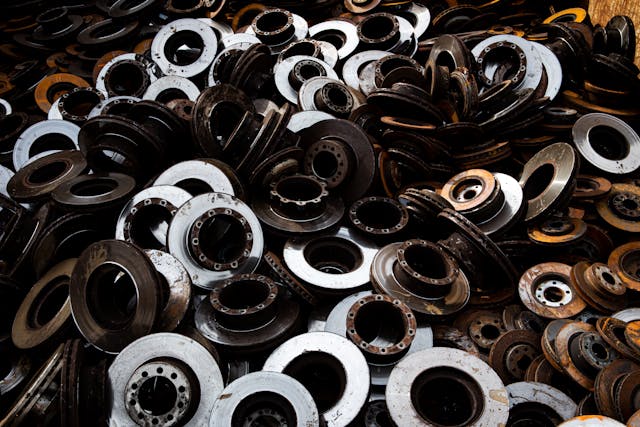
Instead of allowing these assets to gather dust and consume storage space, departments auction them, recycle them, or process them responsibly. The result: unused items are converted into public revenue.
The Revenue Story: A Step-by-Step Build-Up
The ₹4,405.28 crore did not appear overnight. It accumulated through structured annual campaigns designed to institutionalise cleanliness and efficiency.
Revenue Milestones
-
Special Campaigns 1.0–4.0 (2021–October 2024): ₹2,364.05 crore
-
December 2024–August 2025: ₹1,007.1 crore
-
Special Campaign 5.0 (October 2025): ₹833.92 crore
-
December 2025–January 2026: ₹200.21 crore
In January 2026 alone, the Ministry of Railways emerged as the largest contributor, generating ₹104.43 crore through scrap disposal, followed by strong performances from the Ministries of Coal and Heavy Industries.
To understand the scale, the total revenue raised from scrap disposal exceeds several times the budget of major national initiatives like Chandrayaan-3, which reportedly cost around ₹615 crore.
Beyond Money: The Hidden Economic Benefits
1. Unlocking Valuable Space
Since 2021, approximately 930 lakh square feet of office space has been cleared for productive use. Rooms once filled with outdated files and unused furniture are now being repurposed for active operations, citizen services, and digital infrastructure.
Space, in governance, is not just physical — it is functional capital.
2. Strengthening India’s Recycling Economy
Scrap auctions channel materials into recycling industries, including:
-
Metal recovery units
-
E-waste processing plants
-
Industrial reuse supply chains
This reduces reliance on fresh raw material imports and supports India’s circular economy goals. It also generates employment across logistics, dismantling, and recycling sectors.
3. Accelerating Digital Governance
The Swachhata campaign is not limited to physical disposal. A significant reform has been digital transformation.
Key achievements include:
-
Over 166 lakh files weeded out or digitised
-
Reduction in average file transaction levels from 7.19 (2021) to 4.31 (January 2026)
-
93.81% of new files now processed digitally
Faster file movement means quicker decision-making, improved transparency, and better citizen services. Reduced paper use also contributes to environmental sustainability.
How Scrap Disposal Strengthens the Nation
Fiscal Discipline
Turning unused assets into revenue reduces wasteful expenditure and reflects responsible public finance management.
Administrative Efficiency
Decluttering offices improves workflow and enhances institutional productivity.
Environmental Sustainability
Recycling scrap lowers landfill burden, conserves natural resources, and reduces carbon emissions linked to raw material extraction.
Cultural Shift in Governance
Perhaps most importantly, the campaign signals a shift in mindset — from passive storage to proactive management of public assets.
A Human-Centered Reform
Behind the numbers lies a simple idea: governance improves when systems are streamlined.
Officials clearing old files are not merely cleaning cupboards — they are reducing red tape. Departments digitising records are not only saving paper — they are building a faster, more responsive administration.
This transformation shows that reform does not always require massive new investments. Sometimes, progress begins by organising what already exists.
The Larger Message
The Swachhata-driven scrap disposal initiative demonstrates that even routine administrative reforms can produce measurable economic and environmental impact.
₹4,405 crore is not just a financial figure — it represents reclaimed space, reduced waste, faster governance, and smarter public management.
In an era where efficiency defines competitiveness, India’s approach offers a powerful lesson: when systems are cleaned up, nations move forward.