

Why Scrap Is no longer Waste but a Strategic Resource
According to the conventional perception, scrap was regarded as wastage of material. Nowadays, this perception is quickly shifting. In India, scrap is an emergency input in manufacturing, infrastructure, and sustainability processes. It is no longer a casual, disjointed industry but it is becoming a systematic industry that is helping to boost the economy, employment and efficiency in the environment.
India produces millions of tonnes of scraps every year which includes metal scrap, plastic scrap, electronic scrap and construction scrap.
As per the estimates, the annual municipal solid waste generated in the country is more than 60 million tonnes, with a large portion of the same being recyclable. Meanwhile, industrial scrap in such industries as steel, automotive, and construction is also increasing with the growth of the economy.
This compounding of growing waste production and growing need of raw materials has made the scrap business an important connection in the emerging circular economy in India.
The Increased Need of Recycled Materials
The manufacturing industry in India is largely dependent on raw materials most of which are imported. Scrap provides an alternative that is cheap and sustainable. An example is recycled metals, which consume a lot less energy than virgin materials.
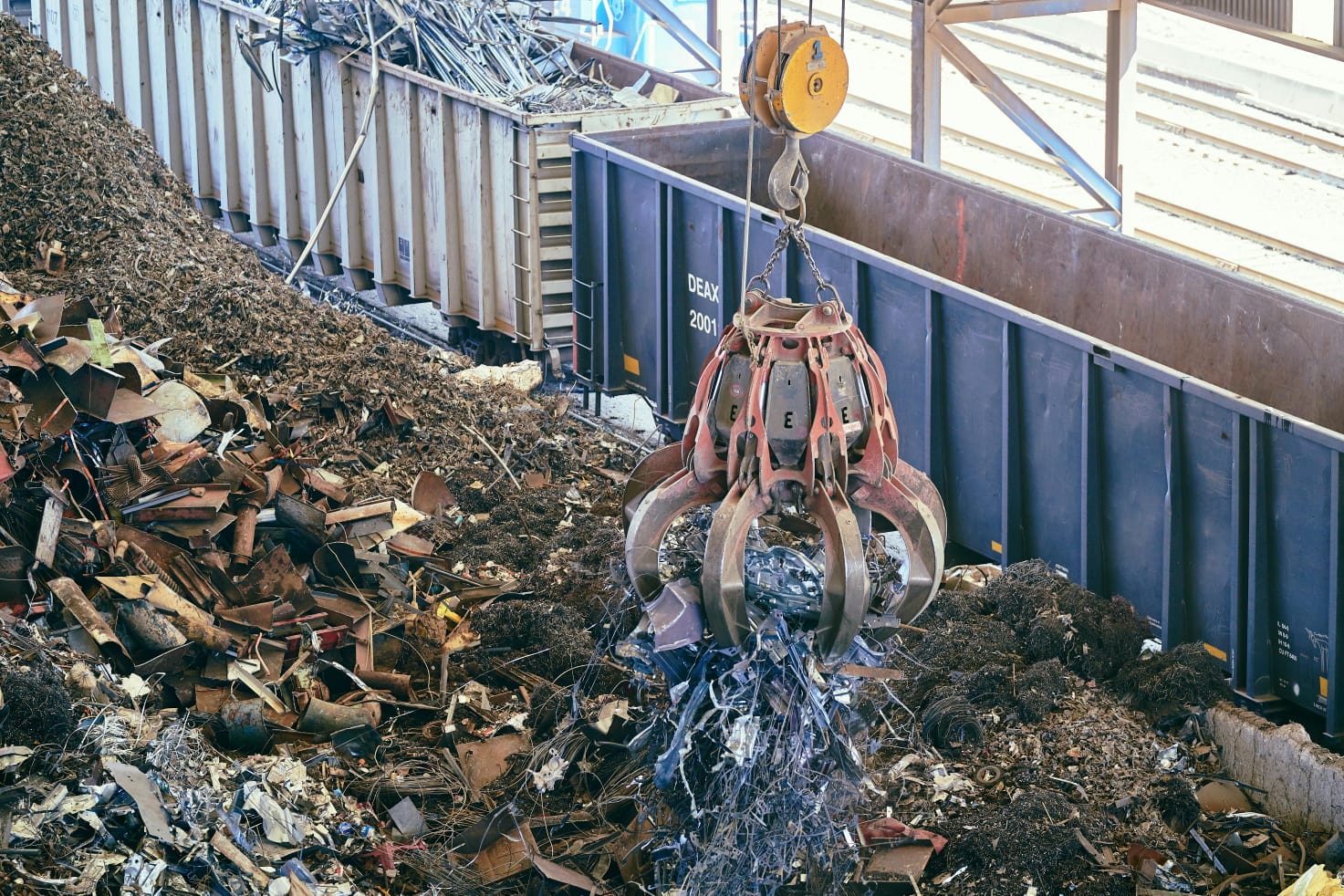
One of the most evident ones is steel. The production of steel through scrap wastes consumes up to 75 percent of the energy used in the production of steel using iron ore as the source. With the growth of the infrastructure and construction industries in India, the steel scrap is increasingly becoming demanded.
On the same note, recycled plastics are also being used more and more in packaging, automotive parts and consumer goods. The industries are also pursuing recycled inputs to minimize their carbon footprint with increased environmental regulations and awareness.
An intermediate-level manufacturing facility that will change to recycled raw materials will not only decrease the input costs but also satisfy sustainability requirements. This is the two-fold benefit that is making more businesses consider including scrap in their supply chains.
Organising an Informal Sector
Although the scrap business in India has a potential economical benefit, the informal sector has traditionally dominated the business. The industry has been based on small collectors, local dealers and unorganised recyclers over the decades.
Although this system is effective in terms of efficient collection at the grassroots level, it is usually not that transparent, standardised and safe. With this realization, the government has come up with policies to formalize and modernize the sector.
Plastic scrappage policy, e-waste, vehicle scrappage policy are some of the initiatives that are meant to establish a more organised ecosystem. These would promote good recycling, enhance traceability, and entice investments in the industry.
Also opening the doors is formalisation providing technology-based platforms that link scrap generators with recyclers to enhance efficiency and pricing transparency.
The Scrap Ecosystem Is Being Transformed by Technology
The technological incorporation is changing the way scrap is being gathered, sorted and processed. Businesses and individuals are finding it easier to sell scrap online and data analytics are helping businesses to optimise their pricing and logistics.
Recycling technologies are also becoming more advanced, which is enhancing the rate of material recovery. Recycling materials of a higher quality can be achieved through automated sorting systems, shredding units and chemical recycling processes which has made them more practical in the industry.
Take an example of a major housing complex that operates on a digital platform to dispose of its wastes and scrap materials. There is the collection of segregated waste, which is sold in an online market and is sent to certified recyclers. This is not only a source of revenue, but also guarantees environmentally friendly disposal.
The models demonstrate that technology can close the gap between the informal network of collection and the formal industrial demand.
Economic and Environmental Advantages
The scrap business is important in ensuring that the environment is not impacted. Recycling decreases mining and extraction and preserves natural resources, as well as lessening greenhouse gas emissions.
This is especially important to a nation such as India whereby the high rate of urbanisation is straining the natural resources. The recycling systems should be effective to decrease the landfills and pollution rates greatly.
On the economic front, the industry has provided jobs on various levels, including waste collectors and transporters, processing units and exporters. It also helps in saving foreign exchange as there is less reliance on imported raw materials.
The main advantages of having a powerful scrap ecosystem are:
▫️Reduction in the cost of production in industries.
▫️Less environmental degradation.
▫️Greater employment opportunities.
▫️Better resource efficiency.
These benefits establish the scrap business as an important part of the sustainable economic development.
Hurdles Slowing Down Growth
The scrap industry has a number of structural issues, even though it has potential. The quality of materials to be recycled is constrained by the lack of awareness regarding the right disposal of waste. Uncertainties are also caused by inconsistent supply chains and price volatility that businesses are faced with.
There are also large-scale inefficiency due to infrastructure deficits in collection, transportation, and processing. Smaller operators are concerned with regulatory compliance, particularly with respect to managing hazardous waste such as e-scrap.
The solution to these problems will involve the government, industry, and local communities working together. Infrastructure investments, awareness and skill development can contribute a great deal in improving the performance of the sector.
Future of Scrap Economy in India
The scrap business in India is promising. With sustainability becoming a concern to policymakers and businesses, the demand of recycled materials will be on an upward trend.
The sector will be propelled by urbanisation, spread of industries and increased awareness of the environment. Under the right combination of policy assistance, technological change and individual investment, the scrap business might emerge as a significant source of income to the Indian economy.
More to the point, it is a change of attitude – of perceiving waste as a problem to perceiving it as a resource. The real possibilities of the circular economy in India are in this transformation.
Scrap business is no longer a shadow business. It is becoming a strategic industry that does not only contribute to the economic growth, but also makes the country have a more sustainable and resource-efficient future.
