

Why Wood Still Matters in a Modern World
In a world filled with plastics, metals, and synthetic materials, wood has not lost its relevance. In fact, it is quietly becoming more important. From furniture and housing to interiors and décor, wood continues to be a material people trust—for its durability, natural appeal, and versatility.
Globally, the wood industry is valued at over $700 billion, and its importance is growing as sustainability becomes a priority. Unlike many industrial materials, wood is renewable when sourced responsibly. That makes it attractive in a time when industries are under pressure to reduce environmental impact.
Wood is no longer just a traditional resource. It is becoming a modern solution.
India’s Position in the Wood Industry
India’s relationship with wood is both cultural and economic. From handcrafted furniture to large-scale construction use, wood has always been part of everyday life.
Today, the industry is expanding alongside urban growth. The furniture market alone is estimated at over $25 billion, driven by rising demand for housing, interiors, and lifestyle upgrades.
At the same time, India faces a practical limitation—limited natural forest resources for large-scale production. This has led to a mix of domestic sourcing through plantations and imports to meet demand.
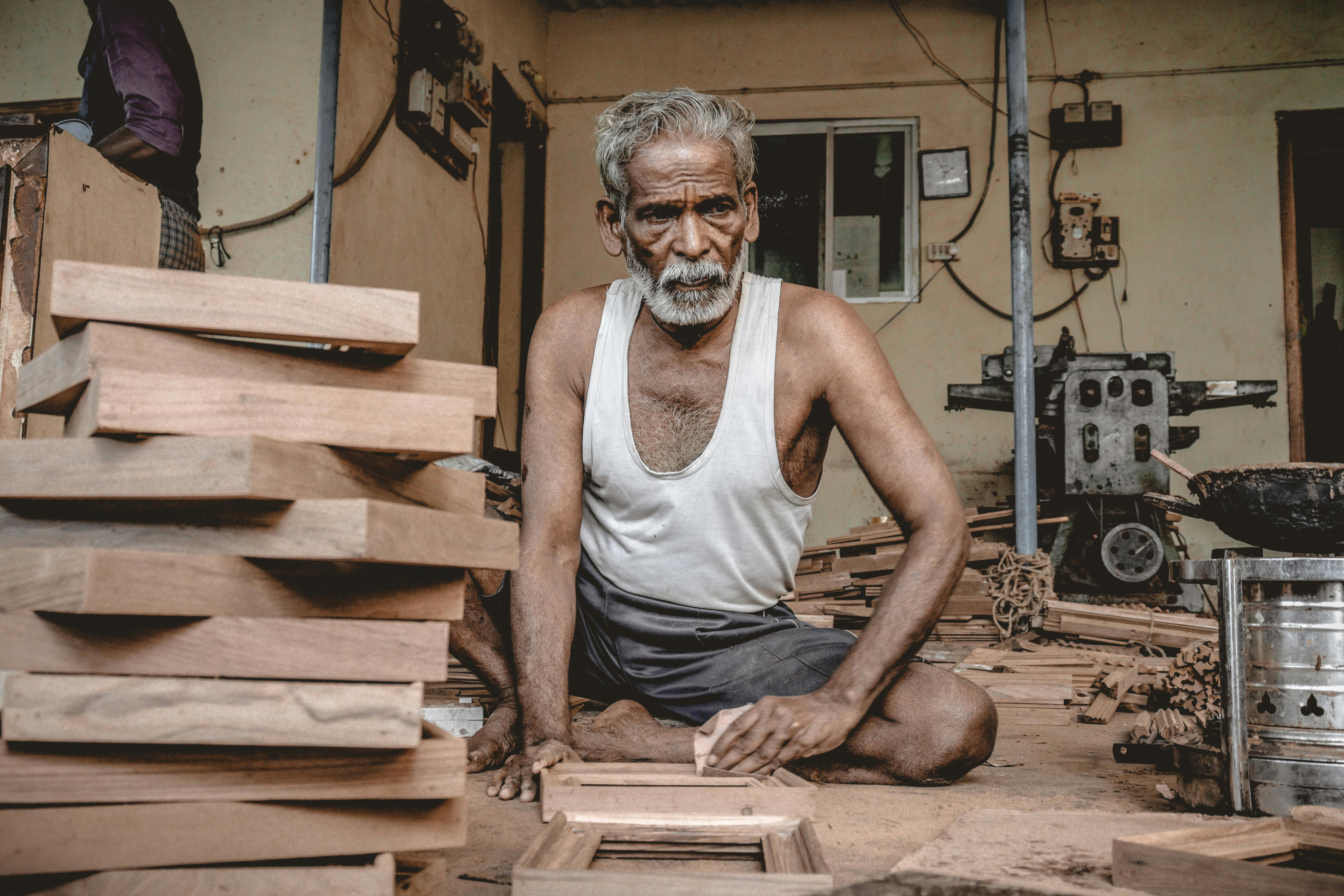
Despite this, the sector supports a wide network of workers, from carpenters and artisans to traders and manufacturers. It is not just an industry—it is a livelihood for millions.
Types of Wood Used in India
One of India’s strengths is the variety of wood used across regions and purposes. Each type has its own characteristics, and the choice often depends on both function and budget.
Teak is known for its strength and resistance to moisture, making it a long-lasting option. Sheesham offers durability with a rich finish, while sal is preferred for heavy-duty applications. Mango wood and rubberwood have gained popularity as more affordable and sustainable options. Pine is commonly used in budget-friendly furniture, especially for lighter designs.
Alongside natural wood, engineered options like plywood and MDF are widely used, especially in modern interiors where cost and uniformity matter.
The variety gives flexibility, but it also requires informed choices.
Why Climate Matters More
India’s climate is not uniform, and that directly affects how wood behaves.
In coastal areas with high humidity, moisture-resistant wood performs better. In dry regions, dense hardwoods are more reliable. In areas with fluctuating temperatures, poorly treated wood can crack or warp over time.
This is where many people make mistakes—choosing wood based only on appearance or price, without considering the environment it will be used in.
The right choice of wood is not just about design. It is about durability over time.
The Business Behind the Material
The wood industry is not limited to large manufacturers. It is built on a wide base of small and medium businesses.
Furniture making, carpentry, interior work, and timber trading all form part of this ecosystem. As cities expand and lifestyles change, demand for customised and modular furniture is increasing.
At the same time, online platforms are opening new ways to sell wood-based products, allowing even smaller businesses to reach wider markets.
What is changing is the expectation. Customers are no longer looking only for functionality. They want design, finish, and quality—and they are willing to pay for it.
Export Potential and What It Brings
India’s wood industry is not limited to domestic demand. It also has a presence in global markets, particularly in furniture and handcrafted products.
Exports to regions like North America, Europe, and the Middle East contribute to foreign exchange earnings and support local artisans. This connection to global markets helps sustain traditional skills while creating income opportunities.
However, exports also bring pressure. Quality standards, consistency, and compliance become critical. Competing globally means improving not just production, but also processes.
The Rise of Alternatives and Changing Preferences
As costs rise and sustainability concerns grow, alternatives to solid wood are becoming more common.
Engineered wood products like plywood, MDF, and particle board are widely used because they are cost-effective and easier to work with. Other materials like metal and composites are also gaining space in modern designs.
But these alternatives come with trade-offs. They may offer uniformity and affordability, but they often lack the natural strength and aesthetic appeal of solid wood.
This is why many manufacturers now use a mix—balancing cost with quality.
Challenges That Cannot Be Ignored
The wood industry in India is growing, but it is not without its issues.
Raw material availability remains a concern, especially with restrictions on logging. Dependence on imports can affect pricing and supply. There are also gaps in processing technology and supply chain efficiency.
Sustainability is another critical factor. Responsible sourcing is no longer optional—it is necessary for long-term growth.
Ignoring these challenges will slow progress. Addressing them will define the future of the industry.
A Material That Continues to Adapt
Wood has survived every shift in materials—and it continues to adapt.
It blends tradition with modern design, craftsmanship with technology, and local use with global demand. That flexibility is what keeps it relevant.
In India, the industry reflects both opportunity and responsibility. It supports livelihoods, drives business, and connects to global markets.
The future of wood is not about replacing other materials. It is about finding its place alongside them—and continuing to evolve with changing needs.
