

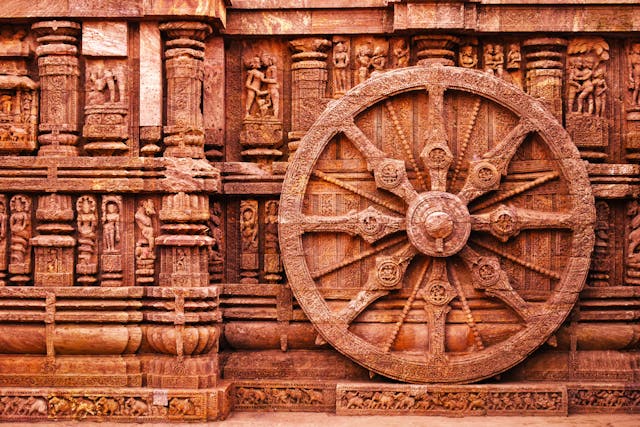
Odisha Pavilion: A Gateway to Cultural Richness
The Odisha Pavilion at IITF 2025 stands as a remarkable showcase, offering an immersive experience that encapsulates the essence of the state’s cultural heritage. Upon entering, visitors are greeted with a thoughtfully designed environment that marries historical motifs with contemporary artistic installations, creating a vibrant tapestry that reflects Odisha’s rich history and heritage.
The pavilion is adorned with intricate designs that are reminiscent of ancient temples and heritage sites, which serve as a testament to the architectural prowess of the region. Artisans have meticulously crafted various displays, each narrating a story that links the past with the present. The immersive nature of the pavilion is echoed through the use of interactive elements, inviting visitors to engage actively with the various aspects of Odisha’s cultural wealth.
Central to the experience is the display of Odisha’s famed handloom traditions, where traditional weaving techniques come alive. The exceptional craftsmanship found in the state’s textile products not only showcases local artisans but also emphasizes the significance of sustainable practices in fashion. Visitors can observe the elaborate processes involved in creating stunning fabrics, which are a pride of Odisha and a symbol of its cultural identity.
Moreover, the pavilion highlights geographically-indicated (GI) crafts that are unique to the state. These masterpieces, from intricate Pattachitra paintings to stunning silver filigree work, signify the rich artistic legacy that Odisha artisans uphold. Additionally, tribal arts found within the pavilion provide an insight into the indigenous culture, revealing the artistry and traditions that continue to thrive today.
The culinary section offers an aromatic journey through Odisha’s iconic flavors, allowing visitors to indulge in local gastronomic delights. This comprehensive experience ensures that every visitor leaves the Odisha Pavilion with a deeper appreciation of the state’s multifaceted culture, making it an unforgettable highlight of IITF 2025.
Odisha Mandap is emerging as a showstopper at the #IITF2025, showcasing State’s thoughtfully curated themes and cultural richness.
From the timeless beauty of #Odisha’s handloom heritage to the vibrant display of tribal arts and indigenous rural products, every corner of Odisha… pic.twitter.com/E2WejdrxZG
— I & PR Department, Odisha (@IPR_Odisha) November 15, 2025
Celebrating Handloom Traditions: A Tapestry of Craftsmanship
Odisha’s handloom exhibit at the International Trade Fair (IITF) 2025 has emerged as a stunning representation of the state’s rich cultural heritage and artistic prowess. The featured textiles exemplify the mastery of local artisans, who continue to employ traditional weaving techniques that have been passed down through generations. A key highlight of the exhibition is the exceptional quality of the weaves, including the renowned Sambalpuri Ikat and Berhampur Pata. These GI-tagged textiles not only showcase the intricate designs typical of Odisha’s craftsmanship but also serve as a testament to the dedication and skill involved in their production.
The use of natural dyes is another significant aspect of Odisha’s handloom that has impressed visitors at IITF 2025. Artisans utilize locally sourced materials to create vibrant colors that enhance the aesthetic appeal of the fabrics while maintaining an eco-friendly approach. This commitment to sustainability not only attracts environmentally conscious consumers but also invigorates the local economy. Each piece tells a story, reflecting the cultural narratives of Odisha and the artistic expressions of its weavers, thereby resonating deeply with all who appreciate the beauty of handmade textiles.
The intricate detailing seen in these pieces, from geometrical patterns to elaborate motifs, further distinguishes Odisha’s handloom products in the competitive market. Each textile is not merely a fabric; it is a canvas of artistic excellence that embodies the soul of the region. The state’s focus on preserving these traditional practices ensures that the rich heritage of handloom continues to thrive. As visitors immerse themselves in the vibrant colors and textures, it becomes clear that Odisha is not just a participant in the global handloom landscape, but a beacon of textile artistry. This combination of artistry, heritage, and sustainability has rightfully earned Odisha the reputation as one of India’s premier handloom hubs, leaving a profound impact on all who visit.
Artistry and Artisanship: The Heartbeat of Odisha
The pavilion at the India International Trade Fair (IITF) 2025 showcases Odisha’s vibrant artistic heritage, embodying the diverse craftsmanship that defines the region. From intricately designed stone and wood carvings to the captivating allure of tribal jewellery and natural fibre creations, the spectrum of artistry reflects the cultural richness of Odisha. Each craft item is not merely a product; it tells a story of tradition, skill, and an unbroken lineage of artisans dedicated to preserving their craft.
Stone carving, a time-honored practice in Odisha, exemplifies the meticulous skills of local artisans. With tools hand-forged to perfection, they transform rough stones into detailed sculptures, often depicting intricate narratives from mythology and folklore. Similarly, wood carvings reveal the dexterity and creativity of Odisha’s craftsmen who shape timber into exquisite decorative pieces, celebrating both functionality and aesthetic appeal. These art forms not only serve as beautiful artifacts but also as a testament to the region’s rich historical tapestry.
Additionally, tribal jewellery stands out as a unique representation of Ondia’s cultural identity. Crafted from materials like silver, brass, and beads, each piece is imbued with symbolic meanings, often reflecting the wearer’s social status or village affiliation. Natural fibre creations, including baskets and mats, further showcase the resourcefulness of artisans, utilizing locally sourced materials to create functional yet beautiful items that embody sustainable practices.
Numerous testimonials from attendees reveal the profound impact of these artworks on promoting Odisha’s cultural narrative. Buyers and cultural researchers alike express admiration for the skills of artisans, recognizing their crucial role in not only sustaining but also revitalizing traditional crafts. As guardians of their heritage, these artisans contribute significantly to the preservation of Odisha’s identity while fostering economic growth through the promotion of their crafts on platforms such as IITF 2025.
Reflections from Dignitaries: A Unified Praise for Odisha
The Odisha pavilion at the India International Trade Fair (IITF) 2025 has garnered considerable attention, leaving a lasting impression on various dignitaries who visited to experience the rich tapestry of the state’s heritage and craftsmanship. Public figures, sportspersons, and government officials expressed their admiration for the multifaceted presentation that seamlessly blended traditional artistry with modern innovations.
Among those who shared their thoughts was Odisha’s Deputy Chief Minister, who remarked, “This pavilion stands as a testament to the state’s commitment to preserving its cultural heritage while promoting economic development.” His words encapsulated the essence of Odisha’s efforts to project its unique identity on a national platform. The pavilion not only showcased intricate handloom products but also highlighted local artisans, further emphasizing the importance of supporting traditional crafts in today’s fast-paced world.
Notable sportspersons, too, conveyed their enthusiasm regarding Odisha’s vibrant representation. One acclaimed athlete stated, “Visiting the pavilion feels like a journey through time; every piece narrates a story of resilience and artistry.” Such reflections made it clear that the emotional connection to Odisha’s culture resonated profoundly with those who experienced it firsthand. The highlights included not only the exquisite textiles but also performances that brought the state’s rich folklore to life, captivating the audience.
Furthermore, several government officials praised Odisha’s strategic approach to blending heritage with contemporary economic practices, reinforcing the notion that progress does not have to come at the cost of cultural identity. As the dignitaries exited the pavilion, many expressed their desire to revisit Odisha, eager to delve deeper into its offerings. Collectively, their remarks painted a picture of a state that proudly stands at the crossroads of tradition and modernity.