


Dharamshala, Aug 12: Following formal presentations to district and state officials, the Enlightened India Foundation has released its Kangra Rural Women Agency and Inclusion Assessment 2026 to the public. The study captures the direct responses of 402 women across 21 villages in the Kangra district. The assessment was an independent survey conducted by our team of local young women to document realities based on direct field evidence.
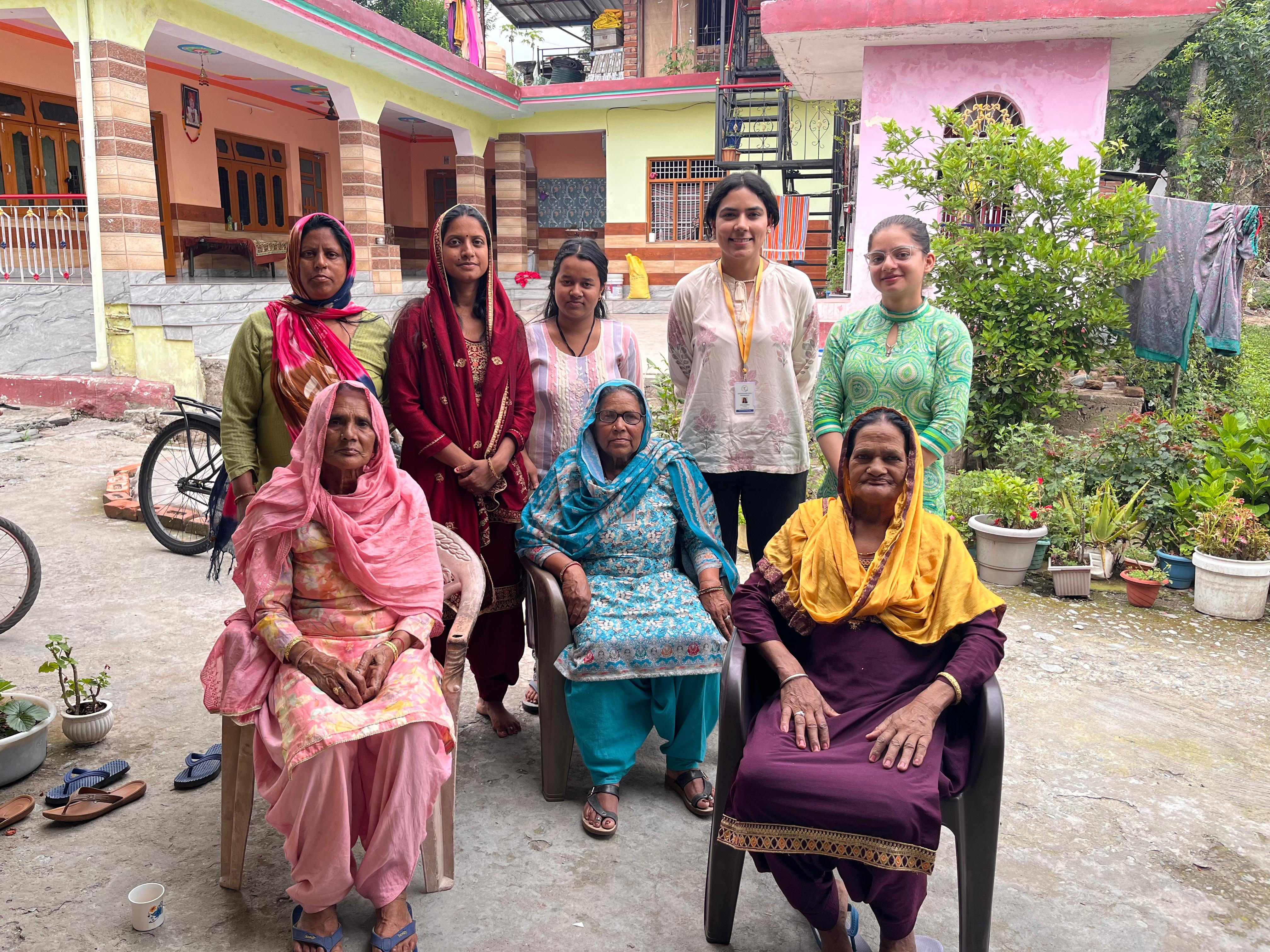
“Our goal in presenting this data is to bridge the distance between rural realities and policy action,” noted the foundation leadership. “While rural women report high levels of voice at home, they face structural constraints regarding household financial inclusion, digital safety, mobility and the impact of household alcohol usage on their conditions and aspirations.”
Key Findings:
Agency at Home: Despite 96% of surveyed women feeling free to express their opinions at home, only 42% have a voice in household financial decisions, revealing a significant gap in household financial participation. Marriage Patterns: 55% of participating women were married before or at age 21. While underage marriage has sharply declined compared to older generations, the practice has not completely finished and still persists even among surveyed younger adult cohorts.
Mobility and Safety: Less than 50% of surveyed women are comfortable going independently to the local panchayat, market, or another village. Comfort decreases with increasing distance, highlighting clear mobility barriers.
Digital Inclusion: Despite 70% smartphone ownership, only 14% of surveyed women use digital payments, exposing stark digital financial exclusion. Furthermore, 21% would share sensitive banking details with a stranger, highlighting a severe lack of digital safety knowledge. Aspirations: 100% of surveyed women state that girls should have the exact same opportunities as boys. A strong 77% majority envision a future for the next generation of girl child that actively includes economic employment alongside education and marriage.
Context and Conditions: Household male alcohol consumption is consistently associated with mobility restrictions, lower community participation, less personal time, and narrower aspirations for daughters. Notably, villages near urban centres report higher male alcohol consumption rates compared to villages away from urban centres.
In brief, while surveyed women possess a strong domestic voice and hold equal aspirations for the next generation of girls, they navigate deep structural barriers. Mobility issues create barriers to employment and education, while digital financial exclusion and household conditions further restrict their broader civic participation.