

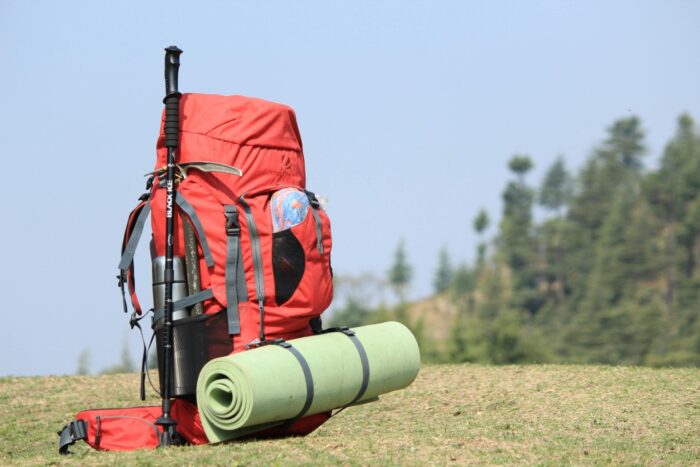
Apr 03: Hiking has become one of the most sought-after travel experiences for those looking to reconnect with nature while staying active. From lush forest trails to challenging mountain treks, the appeal lies in both the journey and the destination. However, a successful hiking trip depends heavily on preparation, and carrying the right travel accessories is key to ensuring safety, comfort, and convenience throughout the experience.
Whether you’re a beginner heading out for a short trail or an experienced trekker planning a multi-day expedition, packing smart can significantly enhance your overall adventure. Here’s a comprehensive guide to the must-have travel accessories you should carry while hiking.
Why the Right Hiking Accessories Matter
Hiking is not just a leisurely walk; it often involves uneven terrain, changing weather conditions, and physical exertion. Being underprepared can lead to discomfort, fatigue, or even dangerous situations. The right accessories help you stay organized, maintain energy levels, and respond effectively to unexpected challenges. They also ensure that you can fully enjoy the experience without unnecessary stress.
Essential Travel Accessories for Hiking
1. Durable Backpack
A reliable backpack is the cornerstone of your hiking gear. It should be lightweight yet sturdy, with enough capacity to hold all your essentials without straining your back. Look for features such as padded shoulder straps, breathable back panels, and multiple compartments for better organization. Water-resistant material is an added advantage, especially for hikes in unpredictable weather.
2. Hydration System
Staying hydrated is crucial during any hike. Depending on the duration and intensity of your trek, carry a reusable water bottle or a hydration pack with a built-in bladder. Hydration packs are particularly useful as they allow you to drink water without stopping. For longer or remote hikes, portable water filters or purification tablets can be lifesavers.
3. Navigation Tools
While smartphones and GPS apps are convenient, they are not always reliable in remote areas with poor connectivity. Carrying a physical map and a compass is a smart backup. Handheld GPS devices can also provide accurate navigation and help you stay on track, especially in unfamiliar terrains.
4. First Aid Kit
A compact first aid kit is an essential item that should never be overlooked. It should include bandages, antiseptic wipes, adhesive tape, pain relievers, and blister care products. If you have any personal medical conditions, ensure you carry the necessary medications. Being prepared for minor injuries can prevent them from becoming serious issues.
5. Multi-Tool or Swiss Knife
A multi-tool is a versatile accessory that can come in handy in various situations, from cutting rope to fixing gear. It typically includes features like knives, scissors, screwdrivers, and bottle openers, making it a valuable addition to your hiking kit.
6. Weather-Appropriate Clothing
Weather conditions in outdoor environments can change rapidly, especially in mountainous regions. Dressing in layers is the best approach. Start with moisture-wicking base layers, add insulating layers for warmth, and carry a waterproof jacket to protect against rain or wind. Comfortable and durable trekking shoes with good grip are equally important for safety and stability.
7. Portable Power Bank
Your smartphone can serve multiple purposes during a hike, including navigation, photography, and emergency communication. A portable power bank ensures your devices remain charged throughout your journey. For extended trips, solar-powered chargers can be a practical alternative.
8. Snacks and Energy Boosters
Hiking requires sustained energy, and carrying the right snacks can help you maintain stamina. Lightweight options such as energy bars, nuts, dried fruits, and trail mix are ideal. They are easy to carry, non-perishable, and provide a quick energy boost when needed.
Additional Useful Accessories
Beyond the basics, a few extra items can further enhance your hiking experience. Sunglasses and sunscreen protect you from harmful UV rays, while a hat or cap offers additional sun protection. Trekking poles can reduce strain on your knees and improve balance on uneven terrain. A lightweight rain cover for your backpack ensures your belongings stay dry during unexpected showers.
Pro Tips for Smart Hiking
Preparation goes beyond packing the right gear. Always check the weather forecast before heading out and plan your route accordingly. Start your hike early in the day to make the most of daylight hours. Inform a friend or family member about your itinerary and expected return time. Most importantly, pack light but do not compromise on essentials.
Conclusion
Hiking is a rewarding way to explore the outdoors, but it requires careful planning and the right equipment. Carrying essential travel accessories not only enhances your comfort but also ensures your safety in unpredictable conditions. From a durable backpack to a well-stocked first aid kit, each item plays a vital role in making your journey smooth and enjoyable.
By investing in the right gear and preparing thoughtfully, you can focus on what truly matters—immersing yourself in nature and creating unforgettable memories along the trail.
