

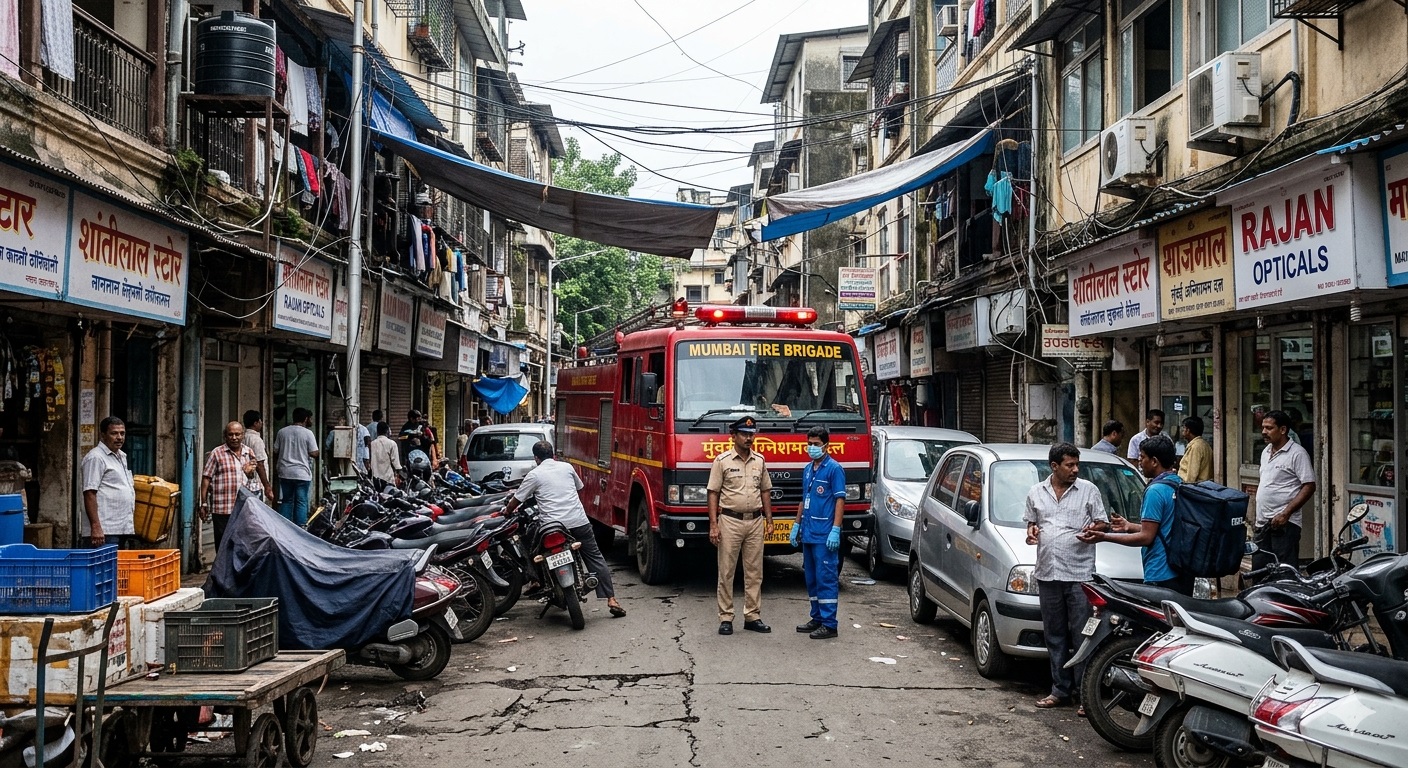
Parking restrictions are likely to be imposed in densely populated areas of Mumbai, where parked vehicles are obstructing emergency services. As per media reports, the Mumbai Municipal Corporation is preparing to regulate parking in narrow lanes, and implementation is expected soon. The decision comes in response to growing concerns that haphazard and illegal parking is obstructing the movement of fire engines and ambulances, particularly in high-density areas.
Industry experts have underscored the urgent need for long–term, infrastructure-led solutions to address the growing urban parking crisis.
Commenting on the development, Mr. Prashant Sharma, President of NAREDCO Maharashtra, said that the issue needs to be addressed through better urban planning and infrastructure development. “Illegal parking is not merely a compliance issue; it reflects the structural gap between the rapid growth in vehicle ownership and the limited parking infrastructure available in our cities. As urban centres continue to densify, there is a pressing need to integrate well-planned and technologically enabled parking solutions within city planning as well as new real estate developments. Adequate parking infrastructure will play a crucial role in ensuring smoother traffic flow and improving overall urban mobility,” he said.
Echoing similar sentiments, Mr. Ashish Majithia, Founder & CEO of Nextkraft Parking Technologies, highlighted the urgent need for smart and scalable parking solutions. “Mumbai’s parking crisis, especially in older and congested localities, underscores the need for innovative approaches such as automated and multi-level parking systems. Automated or Mechanised parking should be installed at every public parking spot which can at least double, and in many cases significantly increase the existing numbers and reduce on-street parking dependency, and ensure that critical access routes remain unobstructed. Alongside regulatory measures, adopting vertical parking infrastructure will be key to building safer and more efficient cities,” he added.
Localities such as Chandanwadi, Girgaon, Kalbadevi, Gaondevi, Tardeo, Mumbai Central, Nagpada, Agripada, and Byculla together account for over 240 narrow lanes, of which nearly 35 to 40 are so constricted that only a single vehicle can pass at a time. Vehicles parked on both sides of these lanes have been identified as a major bottleneck during emergencies, significantly delaying response times.
The issue is particularly acute in commercial hubs like Kalbadevi and Zaveri Bazaar, where wholesale markets contribute to heavy vehicular congestion throughout the day. In the event of fire or medical emergencies, authorities fear that limited accessibility could lead to severe consequences, including loss of life and property.
According to civic officials, the proposed measures include implementing odd-even parking rules in select lanes and declaring complete no-parking zones in others. Strict action is expected against violators. However, the lack of adequate alternative parking facilities has raised concerns among residents and local businesses, who fear increased inconvenience and financial burden.
As Mumbai continues to grapple with rising vehicle ownership and limited urban space, the success of such measures will depend not only on enforcement but also on the city’s ability to create sustainable and future-ready parking solutions.
