

The economy of Kerala stands apart in India’s federal growth story. Unlike manufacturing-heavy states, Kerala has built a people-centric, service-driven economic model, anchored in high human development indicators, global migration linkages, strong social infrastructure and a rapidly evolving knowledge economy.
With one of the highest literacy rates in the country, a globally mobile workforce and a robust welfare architecture, Kerala’s economy reflects a distinct development pathway—one that prioritises human capital, consumption-led growth and services over heavy industrialisation.
As India moves towards a $30–35 trillion economy by 2047, Kerala’s contribution lies not in scale manufacturing, but in high-value services, tourism, healthcare, education, and remittance-supported consumption.
Structure of the Kerala Economy
Kerala’s Gross State Domestic Product (GSDP) is dominated by the services sector, which contributes over 60 per cent of the state’s economic output. Industry accounts for a relatively modest share, while agriculture—though culturally and socially significant—plays a smaller role in terms of GSDP.
This structural composition makes Kerala one of India’s most service-intensive state economies, comparable in profile to developed economies rather than emerging manufacturing hubs.
Remittances: The Invisible Economic Backbone
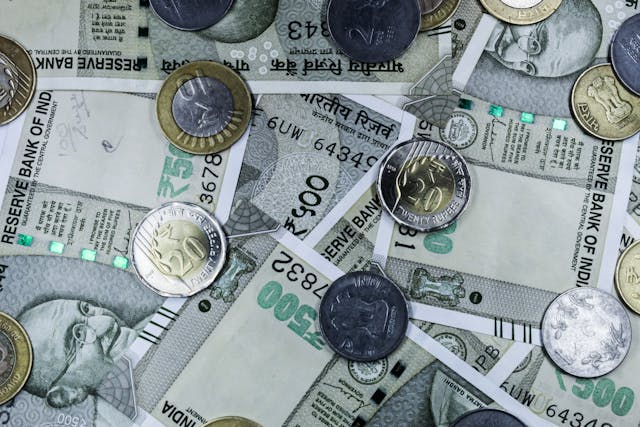
One cannot analyse Kerala’s economy without acknowledging the transformative role of remittances. Millions of Keralites working in the Gulf, Europe, North America and Australia send back substantial income, making remittances a key driver of consumption, housing, education and healthcare spending.
Remittance inflows:
-
Support household consumption and retail demand
-
Fuel real estate and construction activity
-
Improve access to education and healthcare
-
Provide economic resilience during domestic slowdowns
While dependence on overseas employment poses long-term sustainability questions, remittances continue to act as a stabilising force for Kerala’s economy.

Services Sector: The Core Growth Engine
Information Technology and Knowledge Services
Kerala has steadily emerged as a technology and knowledge services hub, with IT parks such as Technopark (Thiruvananthapuram), Infopark (Kochi) and Cyberpark (Kozhikode). These centres host domestic and global firms across IT services, fintech, AI, health-tech and digital solutions.
The IT sector contributes significantly to:
-
High-quality employment
-
Export revenues
-
Urban consumption growth
Government focus on digital governance, startups and skill development has strengthened Kerala’s position as a talent-driven technology destination.

Tourism: A High-Impact Economic Multiplier
Tourism is one of Kerala’s most powerful economic engines. Branded globally as “God’s Own Country”, the state attracts both domestic and international tourists through its:
-
Backwaters and beaches
-
Hill stations and wildlife reserves
-
Ayurveda and wellness tourism
-
Cultural and heritage experiences
Tourism generates large-scale indirect employment, benefiting MSMEs, transport, hospitality, handicrafts and local services. Despite disruptions during the pandemic, the sector has rebounded strongly, reinforcing its role as a foreign exchange earner and job creator.

Healthcare and Medical Tourism
Kerala’s advanced healthcare ecosystem—characterised by high-quality hospitals, skilled medical professionals and cost-effective treatment—has positioned the state as a leader in medical tourism.
Patients from other Indian states and overseas visit Kerala for:
-
Tertiary medical care
-
Ayurveda and alternative medicine
-
Post-treatment wellness and rehabilitation
Healthcare contributes not only to services exports but also strengthens Kerala’s reputation as a human development-oriented economy.

Education and Human Capital Services
Kerala’s long-standing investment in education has created a globally competitive workforce. Higher education institutions, professional colleges and skill centres contribute directly to the economy while also enabling migration, entrepreneurship and innovation.
Education acts as a multiplier sector, feeding into IT, healthcare, research, public administration and overseas employment.

Industry: Small Scale, High Value
Kerala’s industrial sector is dominated by MSMEs, traditional industries and select modern manufacturing clusters.
Key industrial segments include:
-
Food processing
-
Coir and handloom products
-
Rubber-based industries
-
Chemicals and petrochemicals
-
Shipbuilding and marine engineering
While land constraints, environmental regulations and high labour costs limit large-scale manufacturing, Kerala is increasingly focusing on clean, value-added and sustainable industrial models.

Agriculture: Low Share, High Social Importance
Agriculture contributes a smaller share to Kerala’s GSDP but remains critical for livelihoods and food security. Major crops include:
-
Rubber
-
Coconut
-
Spices (pepper, cardamom, nutmeg)
-
Tea and coffee
The state faces challenges such as climate change, rising input costs and labour shortages. Policy focus is shifting towards value addition, agri-processing, organic farming and export-oriented crops rather than volume-based production.

Infrastructure, Ports and Logistics
Kerala’s long coastline and port infrastructure—particularly the Vizhinjam Deep-Sea Port—hold strategic importance for trade and logistics. Improved road connectivity, urban transport projects and airport infrastructure are enhancing the state’s integration with national and global markets.
Airports in Kochi, Thiruvananthapuram and Kozhikode support tourism, remittances and cargo movement, reinforcing Kerala’s outward-oriented economy.

Fiscal and Development Challenges
Despite its strengths, Kerala faces structural challenges:
-
High revenue expenditure and fiscal pressure
-
Ageing population and rising healthcare costs
-
Limited land availability for industrial expansion
-
Dependence on remittances and services
Addressing these issues requires productivity-led growth, private investment in high-value sectors and continued reforms in governance and ease of doing business.

The Road Ahead: A Knowledge and Services Powerhouse
Kerala’s future economic trajectory lies in:
-
Knowledge-based industries
-
Green and sustainable development
-
Digital economy and startups
-
Healthcare, education and wellness exports
-
High-quality tourism
Rather than competing with manufacturing-heavy states, Kerala is carving out a distinct niche economy—one that leverages human capital, global connectivity and social infrastructure.
Conclusion
Kerala’s economy is not built on smokestacks or industrial corridors, but on people, skills and services. Its development model demonstrates that economic growth can coexist with social progress, high literacy and strong health outcomes.
As India’s growth story becomes more diversified, Kerala’s role as a services, tourism and human-capital powerhouse will remain critical—proving that multiple pathways can coexist within a single national economy.