

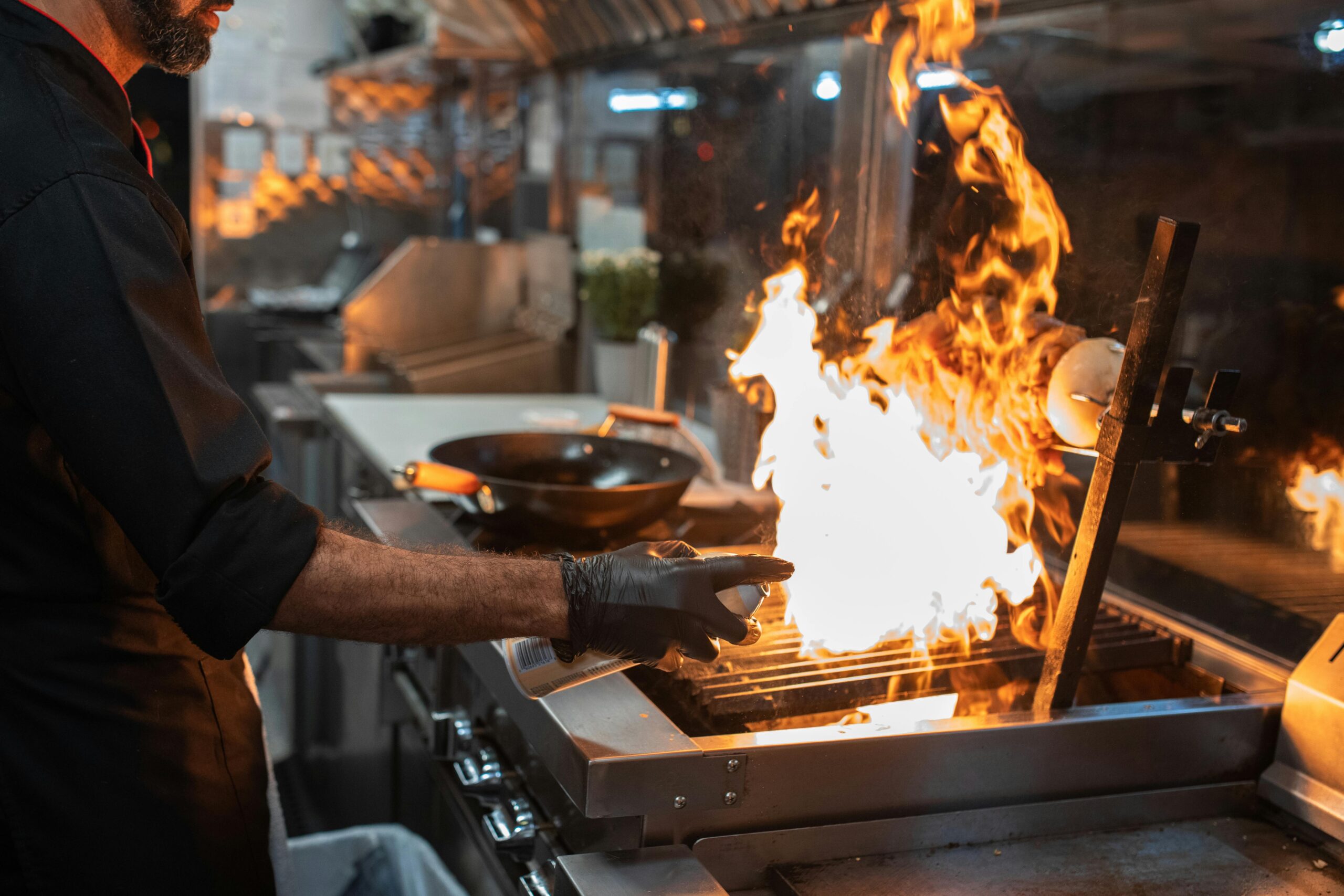
What happens far beyond national borders doesn’t usually feel immediate. But in today’s interconnected world, global disruptions have a way of showing up in the most unexpected places—like a restaurant kitchen.
Over the past several months, instability in global energy markets has pushed up fuel prices and disrupted supply chains. For a country like India, which depends heavily on imported LPG (liquefied petroleum gas), these changes have had a direct impact.
For restaurants, where every meal depends on a steady flame, the effects are being felt every single day.
From Global Disruptions to Local Impact
LPG is a critical fuel for India’s food service industry. Any fluctuation in its price or availability quickly translates into operational pressure.
Recent global developments have led to:
- Higher commercial LPG prices
- Irregular supply in certain pockets
- Increased uncertainty in procurement
For restaurant owners, this isn’t just a headline—it’s a daily challenge. A delayed cylinder or a sudden price hike can disrupt kitchen operations and strain already tight budgets.
Government Response: Stability Over Shock
The government has taken steps to ensure that the situation does not escalate into a full-blown crisis. Supply chains have largely remained functional, and widespread shortages have been avoided.
However, the response has been carefully balanced.
Key measures include:
- Maintaining consistent LPG distribution
- Prioritising household consumption to avoid public distress
- Monitoring supply and pricing trends closely
While this approach has helped maintain overall stability, it has also meant that commercial users, including restaurants, have had to absorb much of the cost pressure.
At the same time, there is a growing policy push toward reducing dependence on LPG through alternative energy solutions, particularly electricity-based cooking.
Restaurants: Adapting Under Pressure
The restaurant industry has not come to a halt—but it is operating under strain.
The impact is not dramatic, but it is constant:
- Fuel costs have increased significantly
- Profit margins have narrowed
- Cost planning has become more unpredictable
For many restaurant owners, the challenge is not survival—it is sustainability.
The Pricing Dilemma
One of the biggest challenges for restaurants is deciding whether to pass on increased costs to customers.
In a competitive and price-sensitive market:
- Frequent price hikes can drive customers away
- Absorbing costs reduces already thin margins
As a result, many businesses are taking a middle path—adjusting prices selectively, reducing portion sizes, or quietly cutting operational expenses.
Small Changes Inside Kitchens
Behind the scenes, kitchens are evolving in subtle but important ways.
Restaurants are:
- Monitoring gas usage more closely
- Training staff to minimise wastage
- Investing in slightly more efficient equipment
These small adjustments may not be visible to customers, but they are helping businesses cope with rising costs.
The Uneven Impact on Businesses
The burden of LPG pressure is not evenly distributed.
Large hotel chains and established brands are better equipped to manage:
- Bulk purchasing advantages
- Financial buffers
- Access to alternative technologies
In contrast, smaller restaurants and local eateries face greater challenges. With limited resources and tighter margins, even minor cost increases can have a significant impact.
Exploring Alternatives—Slowly
One of the most noticeable long-term shifts is the growing interest in alternative energy sources.
Electric cooking solutions, such as induction systems and electric ovens, are gaining attention. Some restaurants have started experimenting with hybrid kitchens, combining LPG and electricity.
However, adoption remains gradual due to:
- High initial investment
- Dependence on stable power supply
- Limitations for certain cooking methods
For now, LPG continues to remain the primary fuel—but the conversation around diversification has clearly begun.
A Wake-Up Call for the Industry
The current situation has highlighted a key vulnerability: heavy reliance on a single energy source.
For the restaurant industry, this has become a moment of reflection. Businesses are rethinking:
- Energy usage
- Cost management strategies
- Long-term operational resilience
What was once taken for granted—steady and affordable fuel—is now being viewed through a more cautious lens.
Conclusion
India’s LPG pressure has not resulted in widespread disruption, but it has quietly reshaped the way restaurants operate.
Global instability has made fuel more expensive and less predictable, while government measures have ensured availability but not necessarily affordability for businesses.
In response, the restaurant industry is adapting—through tighter operations, smarter cost management, and a gradual exploration of alternatives.
This is not a story of crisis, but of adjustment.
And in that adjustment lies the resilience of India’s food industry—continuing to serve, even as the conditions behind the kitchen door become more challenging than ever.
