

The Evolution of India’s Gems and Jewellery Sector
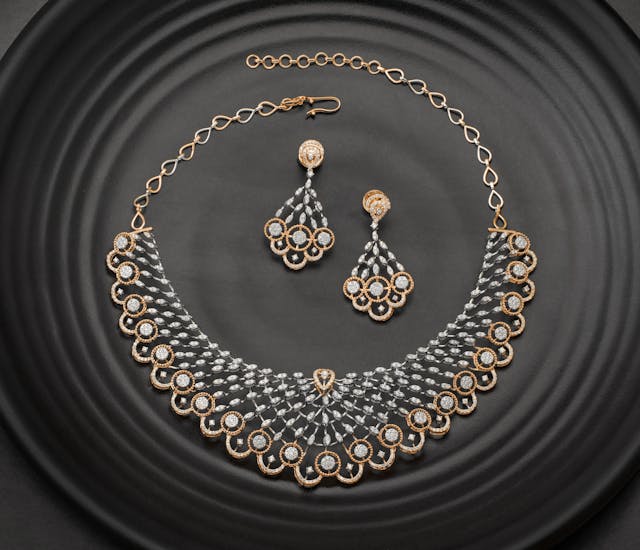
The history of India’s gems and jewellery sector is rich and intricate, showcasing a splendid narrative that spans thousands of years. Initially, the industry thrived on traditional craftsmanship, with artisans meticulously creating exquisite pieces using age-old techniques passed down through generations. These handcrafted items often featured intricate designs, reflecting India’s diverse cultural mosaic. The significance of gemstones and jewellery in various rituals and ceremonies further anchored their relevance in Indian society, establishing a deep-rooted connection that transcends time.
As the centuries progressed, India witnessed significant transformations within its jewellery sector. The colonial era introduced changes in trade dynamics, prompting a shift towards Western influences in design and operation. The subsequent economic liberalization in the 1990s marked a turning point, as the sector began leveraging modern technology. This adoption of innovation not only optimized manufacturing processes but also enhanced quality control, setting higher benchmarks for industry standards both locally and globally.
In recent years, the focus has increasingly shifted towards design and innovation, which are crucial in appealing to a global consumer base. Indian jewellery has evolved from traditional pieces to accommodate contemporary tastes, with designs that reflect modern aesthetics while maintaining a heritage touch. The introduction of Customer Relationship Management (CRM) systems and design software has enabled jewelers to cater to consumer preferences more accurately, thus fostering a more personalized shopping experience. Moreover, as the industry has adapted to the digital era, online platforms have opened new vistas, connecting artisans and brands with global markets.
Despite these modern advancements, traditional practices remain an essential aspect of the jewellery sector. Handcrafted products continue to find a place in the market, as many consumers seek authenticity and uniqueness in their purchases. Balancing innovation with tradition, India’s gems and jewellery sector can preserve its rich heritage while dynamically adapting to contemporary demands, ensuring its enduring legacy in the global landscape. The fusion of modern techniques and traditional artistry not only celebrates India’s cultural heritage but also contributes significantly to its economic strength.
Economic Contribution and Growth Potential
The gems and jewellery sector is a vital component of India’s economy, significantly influencing both GDP and export performance. Currently valued at approximately $60 billion, this industry plays an essential role in India’s economic landscape. According to recent estimates, the sector is projected to grow at a CAGR (Compound Annual Growth Rate) of around 10-12% over the next five years, demonstrating its strong growth potential. This growth trajectory is expected to further enhance the sector’s contribution to the national GDP, aiming to reach about $100 billion within the next decade.
In terms of exports, the gems and jewellery sector is one of India’s top contributors, accounting for nearly 14% of the country’s total merchandise exports. This positions India as a critical player in the global market, particularly in diamond processing, where the country holds a remarkable 90% share of the world’s diamond cutting and polishing market. The robust demand for Indian diamonds in international markets not only boosts export revenues but also bolsters foreign exchange earnings significantly.
Driving Forces of Innovation in the Sector
India’s gems and jewellery sector is undergoing a transformative phase characterized by advanced innovations that are reshaping its landscape. One of the primary driving forces of this innovation is the rise of digitalization. As technology continues to evolve, industry players are increasingly adopting digital tools to streamline operations and enhance efficiency. The introduction of e-invoicing systems, for instance, has significantly simplified transactions, allowing businesses to maintain accurate records and facilitate timely payments. This shift towards digital platforms not only reduces administrative burdens but also promotes transparency within the sector.
In addition to e-invoicing, blockchain technology is emerging as a vital component in revolutionizing the gems and jewellery industry. By providing a decentralized, secure ledger of transactions, blockchain enhances traceability and fosters trust among customers. This technology is especially critical in certifying the authenticity of gemstones and ethical sourcing, two factors that consumers increasingly prioritize. As buyers become more discerning, businesses that employ these technological solutions are likely to enjoy a competitive edge by meeting consumer demands for transparency and ethical practices.
The advent of e-commerce platforms has further accelerated innovation in the sector. With the growing preference for online shopping, jewellery businesses are leveraging these platforms to reach a broader audience. This shift not only increases accessibility for consumers but also enables brands to showcase their unique offerings effectively. Alongside digital strategies, product innovation trends, such as lab-grown diamonds and sustainable materials, are gaining traction. These innovations not only align with consumer preferences for environmentally friendly products but also serve to position India as a leader in responsible jewellery manufacturing.
As the gems and jewellery sector in India embraces these innovations, it signals a dynamic shift towards a more efficient, transparent, and consumer-focused industry. The integration of technology and sustainable practices will likely continue to define the future of this vital economic segment.
Sustainability in the Modern Jewellery Landscape
The contemporary gems and jewellery sector is witnessing a significant shift towards sustainability, driven by an increasing consumer awareness regarding environmental and ethical issues. This evolving landscape emphasizes the importance of eco-friendly materials and responsible sourcing practices that not only appeal to modern values but also maintain the aesthetic allure that jewellery represents. As consumers become more conscientious about their purchases, the demand for sustainable practices within the industry is on the rise.
Eco-friendly materials, such as lab-grown diamonds and recycled metals, are gaining traction as a preferred choice for many consumers. These materials offer an ethical alternative to traditional mining, which often has detrimental environmental impacts. Lab-grown diamonds, in particular, have surged in popularity, providing the same beauty and brilliance as their mined counterparts while reducing the carbon footprint significantly. By integrating such innovative materials, the jewellery sector is not only modernizing its offerings but also contributing positively to the environment.
Moreover, responsible sourcing has become a critical focus for many brands aiming to ensure that the materials used in their products do not contribute to human rights abuses or environmental degradation. Transparency in the supply chain is becoming essential, as consumers increasingly demand information regarding the origins of the gemstones and metals used in their jewellery. Brands are starting to adopt ethical certifications and standards that verify their commitment to sustainability, thus appealing to a generation that prioritizes ethical consumption.
The intersection of sustainability and artistry is further illustrated by designers who create pieces that reflect both environmental consciousness and sophisticated craftsmanship. This unique blend allows for the preservation of artistic value while adhering to eco-friendly practices. As the industry evolves, it is clear that sustainability is not just a trend but a fundamental aspect of the modern jewellery landscape, reshaping the way consumers perceive and engage with their purchases.