

India’s logistics sector is witnessing a major transformation, and one of its fastest-growing segments today is cold chain and specialised logistics. As industries such as pharmaceuticals, biotechnology, food processing, and agricultural exports expand rapidly, the demand for reliable temperature-controlled supply chains is increasing across the country.
Cold chain logistics involves a network of cold storage warehouses, refrigerated transportation, and temperature-controlled distribution systems designed to maintain product quality during storage and transit. In a country with a vast agricultural base and a globally competitive pharmaceutical sector, strengthening this infrastructure has become a national priority.
A Rapidly Expanding Market
India’s cold chain market has been growing steadily over the past decade. According to industry estimates, the Indian cold chain market was valued at around $11–12 billion in 2023 and is projected to exceed $35 billion by 2030, growing at a compound annual growth rate (CAGR) of more than 14–15%.
The expansion is driven by several structural factors:
- Rapid growth in food processing and frozen foods
- Rising demand for fresh produce in urban markets
Increasing pharmaceutical exports
Growth in organized retail and e-commerce grocery platforms
India currently has more than 8,000 cold storage facilities with a combined capacity of over 40 million metric tonnes, but demand continues to outpace supply in many regions.
Reducing Massive Food Losses
One of the biggest drivers of cold chain expansion is the need to reduce food wastage. India is among the world’s largest producers of fruits and vegetables, yet a large portion of produce is lost before it reaches consumers.
Studies by agricultural research institutions suggest that 20–30% of perishable produce in India is lost due to inadequate storage and transportation infrastructure.
Improved cold chain logistics can significantly reduce these losses by maintaining proper storage temperatures from farms to retail markets. Modern cold storage facilities allow farmers and traders to preserve produce for longer periods, preventing distress sales and stabilizing market supply.
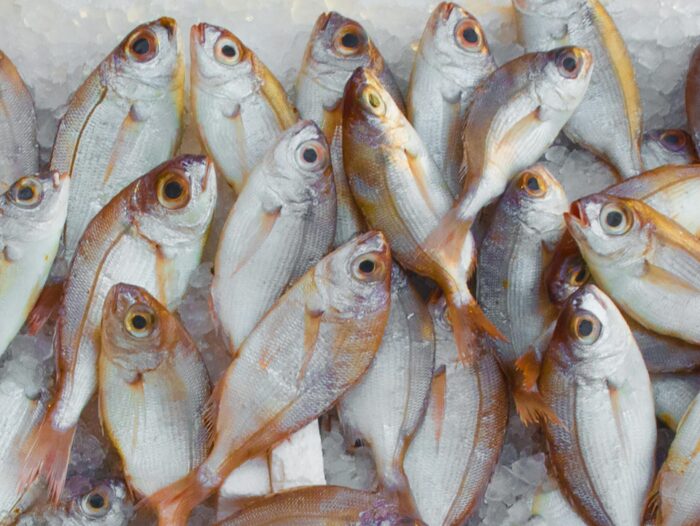
This is particularly important for high-value crops such as grapes, mangoes, berries, seafood, dairy products, and processed foods.
Supporting India’s Agricultural Export Growth
India has emerged as a major exporter of agricultural products, including fresh fruits, vegetables, marine products, spices, and processed foods. Maintaining product quality during international transport is essential for meeting strict global standards.
Temperature-controlled logistics enables exporters to maintain freshness and extend shelf life during long-distance shipments. As a result, cold chain infrastructure is becoming a critical component of India’s agricultural export strategy.
Marine products alone generated over $8 billion in export revenue in recent years, while fresh fruit and vegetable exports continue to grow as global demand increases.
Modern cold storage near ports and airports helps exporters maintain quality and comply with international food safety regulations.
A Lifeline for the Pharmaceutical Industry
India’s pharmaceutical sector is another major beneficiary of cold chain logistics. Often referred to as the “pharmacy of the world,” India supplies a large share of global generic medicines and vaccines.
Many pharmaceutical products, including vaccines, insulin, biologics, and specialty drugs, must be stored and transported within precise temperature ranges. Most vaccines, for example, require storage between 2°C and 8°C to remain effective.
With India exporting medicines to more than 200 countries, maintaining reliable temperature-controlled logistics is essential for product integrity and regulatory compliance.
Specialized pharmaceutical logistics companies are increasingly investing in GDP-compliant warehouses, insulated packaging systems, and real-time temperature monitoring technologies to support this growing demand.
Growth of Refrigerated Transport Networks
Cold chain logistics is not limited to storage. Efficient refrigerated transportation systems are equally critical to maintaining the integrity of perishable goods.
India’s refrigerated transport fleet—commonly known as reefers—is expanding steadily as logistics providers invest in modern vehicles equipped with temperature-control systems.
These vehicles connect agricultural production regions with major consumption centers and export hubs. They are also widely used for transporting frozen foods, dairy products, seafood, pharmaceuticals, and biotechnology products.
Despite rapid growth, industry experts believe India still faces a shortage of refrigerated transport capacity, highlighting the significant investment opportunities in this sector.
Technology Driving Cold Chain Efficiency
Technology is playing a major role in modernizing India’s cold chain infrastructure. Digital tools are helping logistics companies monitor temperature conditions throughout the supply chain and ensure compliance with strict quality standards.
Key technologies transforming the sector include:
- IoT sensors for real-time temperature monitoring
- GPS-enabled tracking systems for refrigerated transport
- Automated warehouse management systems
- Data analytics for supply chain optimization
These solutions allow logistics operators to detect temperature fluctuations instantly and take corrective action before product quality is affected.
Such technological advancements are particularly critical for pharmaceutical logistics, where even minor temperature deviations can compromise product safety.
Government Initiatives Supporting Growth
Recognizing the importance of cold chain infrastructure, the Indian government has introduced several initiatives to encourage investment in this sector.
Programs supporting food processing industries, agricultural infrastructure development, and supply chain modernization are helping accelerate cold storage expansion.
In addition, schemes aimed at strengthening farm-to-market connectivity are encouraging the development of integrated cold chain networks that link farmers, warehouses, and transportation providers.
These initiatives are expected to further boost capacity and improve efficiency across India’s temperature-controlled logistics ecosystem.
The Road Ahead
India’s cold chain logistics sector is entering a period of rapid growth and transformation. As consumer demand for fresh food, pharmaceuticals, and processed products continues to rise, temperature-controlled supply chains will become increasingly vital.
With the market projected to grow at nearly 15% annually, cold chain infrastructure is set to play a crucial role in reducing food wastage, improving agricultural incomes, and strengthening pharmaceutical exports.
In the coming decade, investments in advanced storage facilities, refrigerated transport networks, and digital supply chain technologies will help India build a more efficient and resilient logistics ecosystem—ensuring that perishable products move safely and efficiently from farms and factories to markets around the world.