

India has approved the second tranche of proposals under the Electronics Component Manufacturing Scheme (ECMS), marking another significant step toward strengthening its electronics value chain and accelerating progress toward its $500 billion electronics manufacturing target by 2030–31.
The Ministry of Electronics and Information Technology on Monday cleared 17 additional applications, building on the earlier approval of seven proposals worth ₹5,532 crore. The newly sanctioned projects represent a cumulative investment commitment of ₹7,172 crore, with an estimated production output of ₹65,111 crore and the creation of 11,808 direct jobs.
Boost for Regional Manufacturing and High-Skill Jobs
The approved units are spread across nine states, reinforcing the government’s push for balanced regional manufacturing growth beyond India’s major metro cities. Officials emphasized that the expansion will support high-skill job creation, deepen the domestic supply chain, and reduce import dependence for critical electronic components.
Driving India’s Next Phase of Electronics Expansion
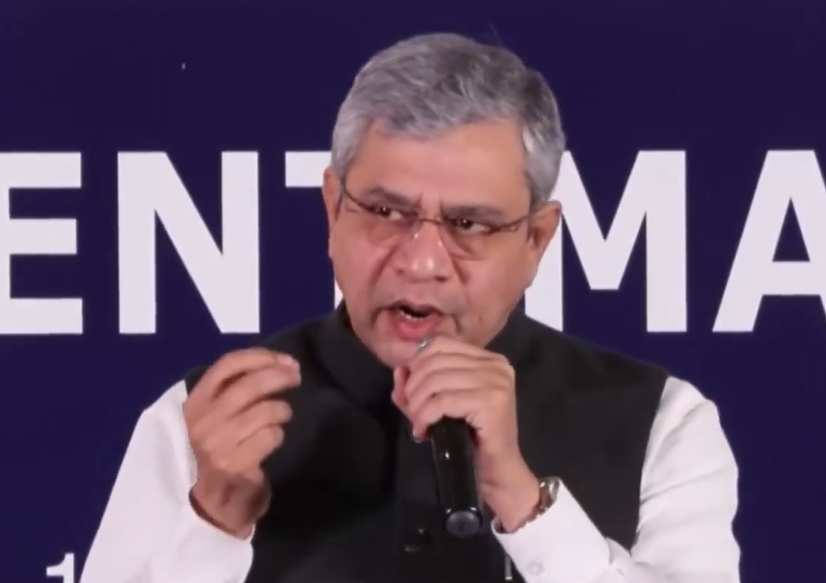
Union Minister for Electronics and IT Shri Ashwini Vaishnaw described the new approvals as a major catalyst for India’s next phase of value chain integration. He noted that ECMS will play a decisive role in steering the country toward its long-term goal of becoming a global hub for electronics production, with a strong emphasis on component-level manufacturing.
India Unveils ARKA-GKT1: A Milestone in Semiconductor Innovation
Alongside the ECMS approvals, India also unveiled ARKA-GKT1, the nation’s first-generation energy-efficient edge silicon chip. The breakthrough chip demonstrates India’s growing capabilities in advanced semiconductor design, featuring high performance and optimized power consumption for next-generation edge computing applications.
Officials highlighted that such innovations—combined with large-scale component manufacturing—will help India build a self-reliant, innovation-driven semiconductor ecosystem, essential for the country’s electronics and digital technology ambitions.
Strengthening Domestic Value Chains
With this new tranche, the ECMS continues to attract strong industry participation, supporting the growth of components such as sensors, power electronics, precision mechanical parts, and semiconductor-grade materials. The scheme is expected to significantly strengthen India’s domestic electronics infrastructure and help meet the rapidly growing demand generated by consumer electronics, telecom, automotive, and industrial applications.
The government reaffirmed its commitment to maintaining momentum in approvals and policy support, ensuring that India’s electronics manufacturing landscape evolves into a globally competitive and technologically advanced ecosystem.