

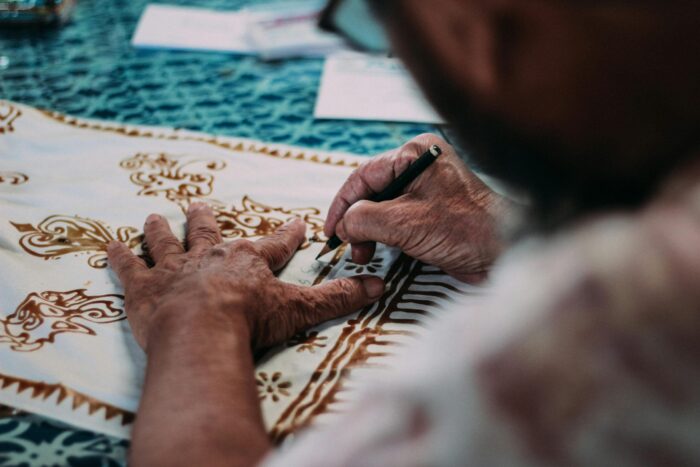
Handmade & Artisan Products: Preserving India’s Cultural Legacy Through Global E-Commerce
By Surya Pillai
Introduction: India’s Artisan Economy in the Digital Age
India’s artisan economy is one of the richest yet historically underutilized business ecosystems in the world. Rooted in centuries-old traditions, Indian craftsmen create exquisite textiles, pottery, woodwork, jewelry, handloom fabrics, and nature-inspired products that reflect regional identity and cultural depth. For decades, however, artisans depended heavily on middlemen, local markets, and seasonal exhibitions—limiting both income and market reach.
Today, e-commerce is transforming the artisan business in India, enabling heritage products to reach global consumers without diluting traditional craftsmanship. Digital platforms are not only preserving India’s cultural legacy but also reshaping handmade goods into scalable, sustainable businesses.
The Economic Significance of Handmade and Handicrafts in India
According to the Ministry of Textiles, India is home to over 7 million artisans, and the handicrafts industry contributes nearly ₹1.5 lakh crore annually to the Indian economy. With digital marketplaces bridging the gap between creators and consumers, handmade products are no longer confined to rural clusters—they are evolving into globally recognized brands.
This shift marks a crucial turning point where tradition meets technology, unlocking new revenue streams and international visibility for Indian crafts.
Why Global Demand for Handmade Products Is Rising
The worldwide demand for handmade and artisan products has surged due to changing consumer preferences. Modern buyers increasingly value sustainability, ethics, and authenticity over mass-produced goods.
Key drivers of this growth include:
Rising focus on sustainability and slow fashion
Preference for unique, story-driven products
Growth of conscious and ethical consumerism
Increased trust in online marketplaces
Discovery of artisan brands through social media
According to Statista, the Indian handicrafts market is projected to grow at a CAGR of 11%, with exports expected to exceed USD 4 billion by 2026, reinforcing India’s position as a global craft hub.
E-Commerce: The Game Changer for Artisan Businesses
E-commerce has removed both financial and geographical barriers for artisans. Digital platforms manage logistics, payments, marketing, and customer access—allowing creators to focus entirely on craftsmanship.
Popular artisan-friendly platforms include Amazon Karigar, Etsy India, GoCoop, Jaypore, Okhai, and Meesho. In addition, many independent artisans now sell directly through Instagram, WhatsApp Commerce, and personal websites, building direct-to-consumer brands with minimal investment.
Okhai: Empowering Rural Women Artisans
Okhai, a Tata-supported initiative, collaborates with women artisans across rural India. Through ethical pricing, strong storytelling, and quality control, Okhai has empowered over 30,000 artisans, increasing their average incomes by 40–50% while preserving indigenous crafts.
GoCoop: Connecting Weavers to Global Buyers
GoCoop eliminates middlemen by directly connecting weavers with buyers and designers. As a result, artisans earn fair wages, and consumers receive authentic handloom products. Today, GoCoop exports to over 30 countries, proving that traditional Indian crafts can thrive globally.
Social Media & Storytelling: Selling More Than Products
What truly differentiates artisan businesses online is storytelling. Customers are not just purchasing products—they are investing in culture, heritage, and human connection.
Successful artisan brands highlight:
The origin of the craft
The artisan’s personal journey
Cultural significance of designs
Eco-friendly sourcing
Intricate handcrafting processes
Platforms like Instagram Reels, YouTube Shorts, and Facebook Shops have become powerful sales channels. According to Meta India, over 60% of small handmade sellers generate leads via social media, with visual storytelling playing a crucial role in purchase decisions and conversion rates.
Government Initiatives Supporting Digital Artisans
The Indian government has taken significant steps to digitize and strengthen the artisan ecosystem. Key initiatives include:
India Handmade Portal for global visibility
ODOP (One District One Product) scheme
Amazon Karigar Program for craft sellers
PM Vishwakarma Yojana for skill and credit support
MSME and Skill India subsidized training programs
The Ministry of MSME reports that digital adoption among artisans has increased by nearly 35% over the past five years, improving income stability and export competitiveness.
Business Opportunities in the Handmade E-Commerce Sector
The handmade and artisan space offers diverse opportunities—not only for artisans but also for entrepreneurs. High-potential business models include:
Curated online handmade marketplaces
Private-label artisan brands
Export-focused artisan collectives
Handmade beauty and wellness products
Custom gifting and corporate hampers
Sustainable home décor brands
Regional craft subscription boxes
With relatively low startup costs and strong emotional branding, artisan-led businesses successfully blend profitability with purpose.
Challenges That Still Exist
Despite rapid growth, challenges remain. Many artisans face digital illiteracy, limited branding knowledge, inconsistent quality standards, and high logistics or return costs. However, startups focusing on training, quality assurance, and last-mile delivery are steadily addressing these gaps.
Brands that emphasize fair pricing, ethical sourcing, and long-term artisan partnerships are building the strongest trust and sustainability.
The Road Ahead: Handmade Is the Future of Conscious Commerce
Handmade and artisan products are no longer niche—they represent the future of conscious, sustainable commerce. As Indian consumers reconnect with their roots and global buyers seek authenticity, e-commerce will continue to amplify India’s cultural richness.
For entrepreneurs, this sector offers a rare combination of tradition, scalability, influence, and growth. For artisans, it brings dignity, financial independence, and global recognition.
India’s heritage is not fading—it is thriving in the digital marketplace.