

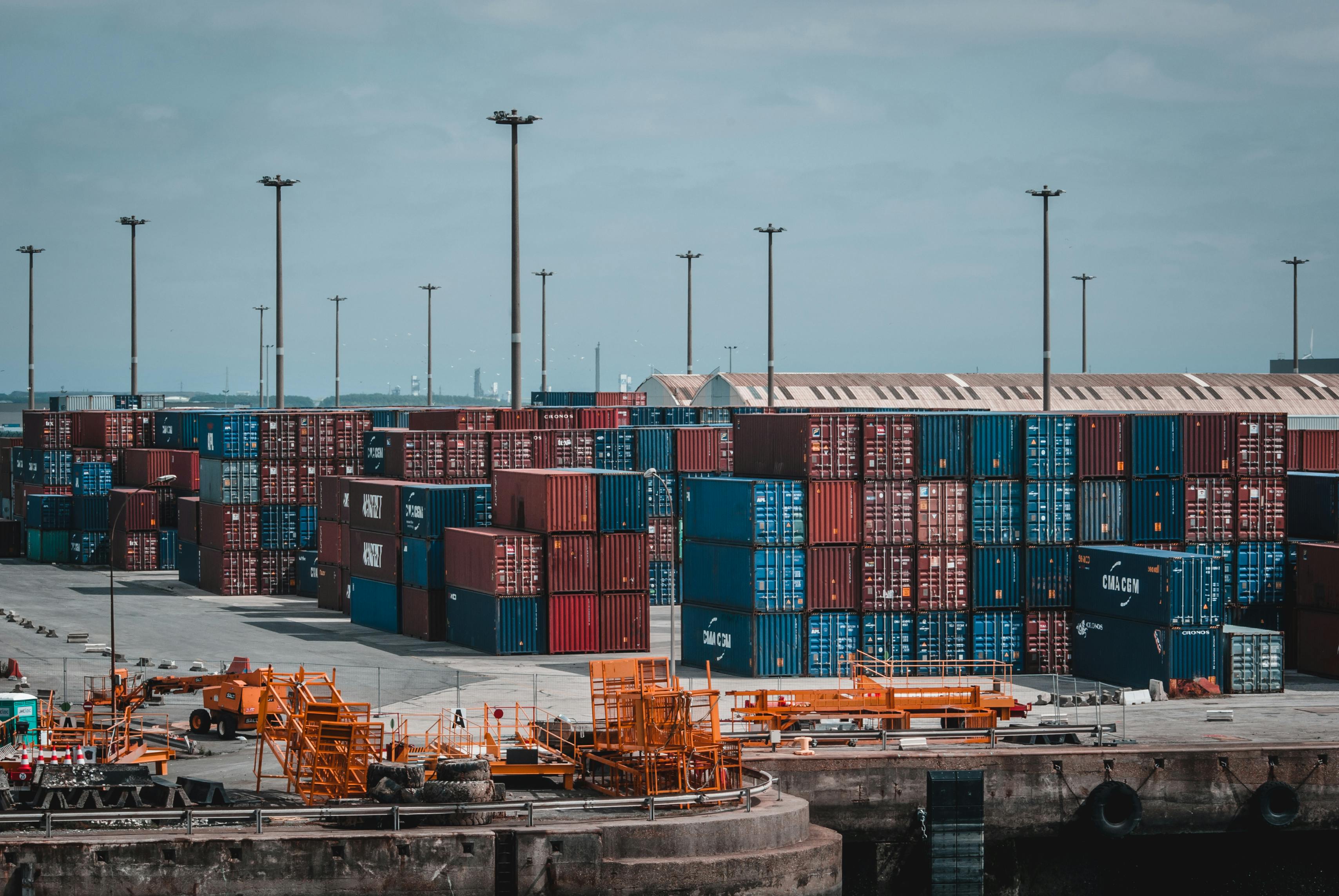
The world trade is experiencing a silent yet a strong revolution. The world has been running on a paradigm of intense globalization since decades ago companies manufactured products where they were cheapest, supply chains were spanning continents, and efficiency was the end game. That model provided low cost products and accelerated growth, however it also introduced latent vulnerabilities.
The recent developments in the world have compelled governments and business to reconsider the way trade is done. The pandemic, the geopolitical situation, and the disruption of the supply chains showed that overreliance on several manufacturing centers is a potentially dangerous factor. The world trading system is slowly changing today to be something other, more diversified, more robust and more balanced in its strategies.
These changes in the global trade are not lowering trade. Rather, they are redefining the roles of countries in it and are creating a new avenue to the emerging economies such as India.
A Move toward Resilience, not Efficiency.
In several years, multinational companies had optimized their supply channels to nearly the fullest extent in terms of cost. The manufacturing was centralized in several areas with low labor expenses and already existing large industrial ecosystems. This model was appropriate during the relatively stable world.
Nevertheless, the pandemic showed how weak these systems might be. Electronics to automobiles industries were shaken by the shut-down of factories, ship delays, and a shortage of containers. Companies quickly came to the realization that over dependence on one production area would put business on a grinding halt.
Consequently, firms started redesigning their supply chains in order to diversify risk to several countries. This move is commonly referred to as the China-plus-one strategy whereby companies are not forsaking the established manufacturing regions but are incorporating other regions to manufacture their products.
This can be explained by a common example. Consider an international consumer electronics manufacturer that used to manufacture most of its components within a single nation. Having recorded delays in shipment process due to global disruptions, the company opted to diversify its manufacturing base. It diversified its risks by setting up other facilities in other markets in Asia. Although it has made it a little more expensive to operate at various locations, the company has become more stable and flexible.
The world today has seen reliability to be as significant as cost efficiency.
The Politics of Geopolitics Is Reshaping the Map of Trade.
Geopolitics is another significant force that impacts world trade. The market forces no longer dominate trade. International competition among key economies has also brought about tariff, exportation limitations and new laws that impact on international supply chains.
The governments are also becoming selective in their identification of certain sectors which are strategic. The national security priorities have been shifted to industries like semiconductors, pharmaceuticals, advanced electronics, and energy technologies. This has seen the countries promoting production within their countries or enhancing collaboration with reliable trade partners.The result of this trend has been what many analysts have termed as friend-shoring. Countries would rather have supply chains with reliable and politically compatible partners instead of sourcing essential materials with any supplier.
Take an example of a pharmaceutical supply chain. One of the drug producers had relied on one foreign supplier of major ingredients. The company started sourcing in various countries that had steady trade relations after being hit by disruptions. This diversification minimized the supply risk and guaranteed continuity in production.The global trade alliances are slowly being transformed through these changes.
The Rise of Digital Trade
As the physical supply chains are also making adjustments, there is another type of global trade that is rapidly growing–digital trade.
Technology has ensured that services can be transferred across borders in real time. International commerce now includes software development, digital consulting, financial technology services, and online education as its key elements. Digital trade is not that reliant on physical infrastructure as compared to traditional manufacturing.
Those nations that have competent labor forces and are well digitally connected are enjoying the best of this change. As an example, India has become a key exporter of technology services and digital solutions.
This transformation is brought out in a simple example. A technology start-up with its base in a small city in India can now cater to its customers in Europe, North America and Asia using digital platforms. The company is able to make international income without opening offices in other countries by merely providing online services.
Digital trade has greatly minimized the barriers that previously restricted the cross-border business.
Opportunities in manufacturing to the emerging economies.
New opportunities of emerging manufacturing destinations are also being created by restructuring of supply chains. Nations that have favorable labour rates, infrastructural development, and conducive policies are receiving foreign investment. As companies become diversified in their production bases, India, Vietnam, Indonesia and Mexico are increasingly becoming considered as alternative production centres. India, especially, has been keen on enhancing logistics networks, widening industrial corridors and promoting domestic production using policy incentives. Such initiatives are slowly building the manufacturing ecosystem in the country.
When a multinational firm decides to diversify its production, it decides to establish an assembly plant in a new market that has a good infrastructure and a workforce that is well skilled. During the expansion of operations, local suppliers start supplying components, packaging, and logistics services. With time, a complete industrial ecosystem is established around the plant. These developments generate jobs, boost the local economies and enhance the presence of the country in international trade.
Sustainability Is An Emerging Trade Requirement.
Sustainability is another significant change that is influencing the global trade. The environmental requirements are also tightening in all major markets and consumers are becoming more aware of the manufacture of products. The exporters are now supposed to minimize the carbon emission, use renewable energy and implement production process that are environmentally conscious. Companies who conform to these norms have increased entry into foreign markets.
An example would be a textile exporter which changes to renewable energy and sustainable production methods might receive long-term contracts with international buyers who are concerned with environmentally responsible suppliers. Sustainability is no longer a mere corporate responsibility but it is turning out to be a competitive advantage.
A New Phase of Global Trade
The world is not drifting out of globalization, but it is taking a new direction. The supply chains are turning more diversified, digital trade is growing and geopolitical realities are shaping economic decisions. These changes produce important opportunities in such countries as India. India has a huge workforce, a growing digital economy, and better infrastructure, which can make it one of the main players in the next step of trade in the world.
It is in this evolving environment that the countries that are able to adapt fast and create robust economic ecosystems will be at the forefront in defining the global trades system of the coming decades.
