

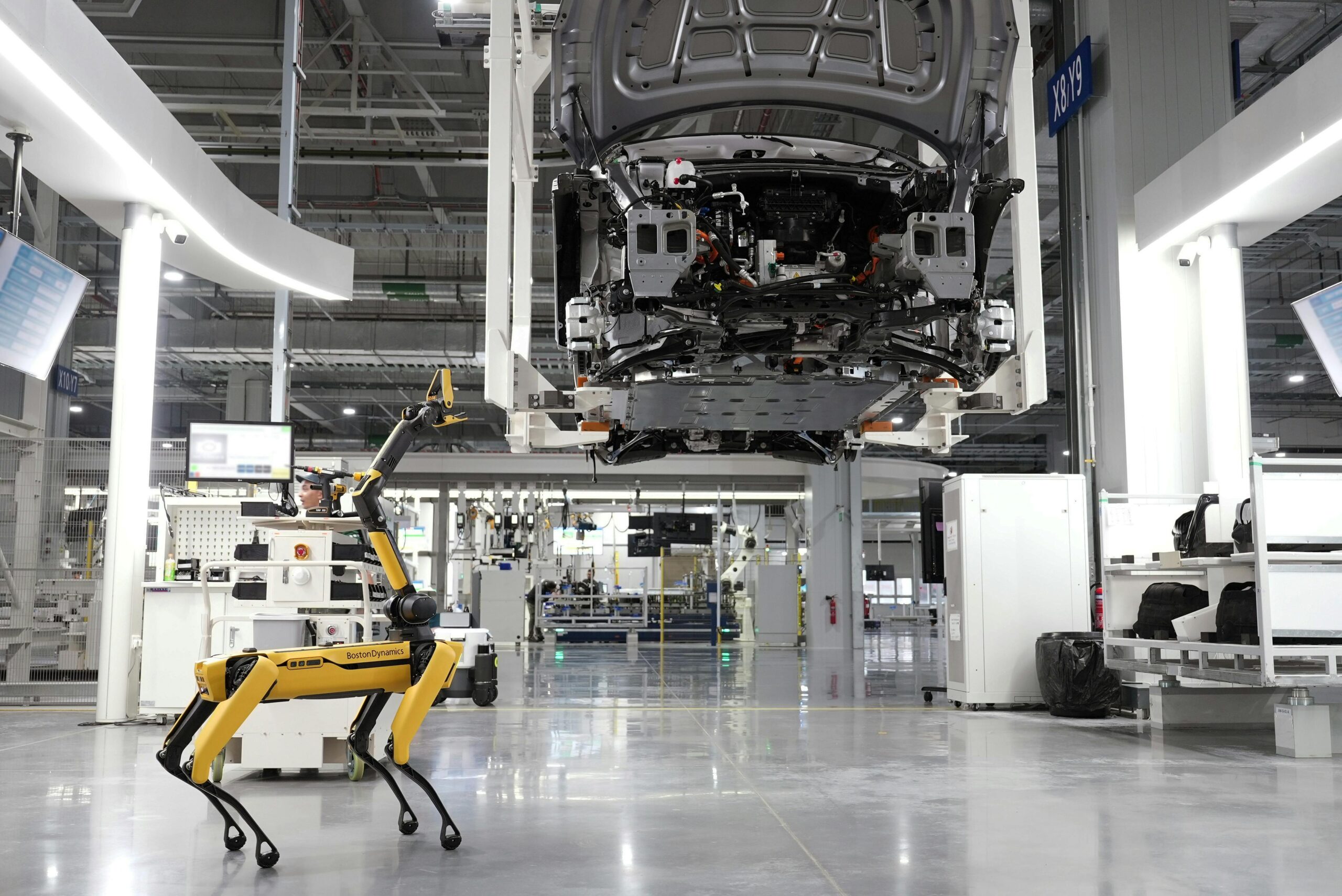
India’s automobile industry is entering a decisive moment—one defined by ambition, scale, and confidence in the country’s growth trajectory. As consumer demand rises and competition intensifies, the nation’s leading carmakers are preparing for a significant expansion that could reshape the automotive landscape over the next decade.
The country’s top passenger vehicle manufacturers—Maruti Suzuki, Hyundai Motor India, Mahindra & Mahindra, and Tata Motors Passenger Vehicles—are collectively planning to raise their production capacity from 5.4 million vehicles to nearly 7.5 million units by 2030. This nearly 40 percent expansion reflects not just optimism, but a calculated bet on India’s position as one of the world’s most dynamic automobile markets.
A Market Shifting into High Gear
India is already the third-largest automobile market globally, and demand continues to broaden beyond major metros into Tier 2 and Tier 3 cities. Rising incomes, better road connectivity, easier access to financing, and a growing preference for personal mobility are reshaping buying behaviour across the country.
For automakers, this shift has created both opportunity and urgency. To stay competitive, companies are scaling up production while rethinking product portfolios to match evolving consumer expectations.
An Unprecedented Product Wave
Over the next few years, Indian car buyers will see one of the most aggressive product rollouts in the industry’s history. Nearly 80 new car models are expected to hit the market, spanning:
-
Completely new vehicle platforms
-
Updated versions of popular models
-
Feature-rich facelifts and mid-cycle upgrades
From compact cars to SUVs and emerging electric models, manufacturers are expanding choices across price points and segments. This product surge is set to intensify competition, pushing brands to differentiate through design, technology, safety, and value.
Why Carmakers Are Expanding Now
The timing of these investments is no coincidence. The post-pandemic recovery has brought renewed momentum to vehicle sales, supported by strong consumer sentiment and improving economic conditions.
At the same time, India’s focus on domestic manufacturing and supply-chain resilience has encouraged automakers to invest locally rather than rely on imports. Capacity expansion allows companies to respond faster to demand, reduce costs, and prepare for future technologies.
Manufacturing Growth with Economy-Wide Impact
Automobile manufacturing sits at the heart of India’s industrial ecosystem. Every new production line has a ripple effect—boosting demand for steel, electronics, auto components, logistics, and skilled labour.
As factories expand and new plants come online, the sector is expected to generate significant employment and support thousands of small and medium enterprises that form the backbone of the auto supply chain. In this sense, growth in the automobile industry directly feeds into broader economic expansion.
Technology, Sustainability, and the Future Roadmap
While conventional fuel vehicles continue to dominate volumes, the future of India’s auto sector is increasingly shaped by technology. Automakers are investing in:
-
Electric and hybrid drivetrains
-
Connected vehicle platforms and software integration
-
Advanced safety systems and improved fuel efficiency
These investments reflect a careful balancing act—embracing global innovation while adapting to India’s cost-sensitive market.
A Sector Aligned with India’s Growth Story
The scale of planned capacity expansion and the surge in new model launches point to a deeper narrative: India’s automobile industry is evolving alongside the nation’s economic ambitions.
As consumption strengthens, infrastructure improves, and manufacturing capabilities deepen, the auto sector is emerging as both a beneficiary and a catalyst of growth. The road ahead will be competitive, but for carmakers willing to invest and innovate, it is also filled with opportunity.
India’s auto industry is not just building more cars—it is building momentum for the country’s next phase of economic progress.