

Dubai, UAE, Feb 17: The Fédération Internationale de l’Automobile (FIA), the global governing body for motor sport and the federation for mobility organisations worldwide, has signed a Memorandum of Understanding with the League of Arab States, strengthening cooperation across transport, tourism, sport, and regional policy.
A central focus of this partnership will be improving cross-border movement through internationally recognised travel and transport documents, including the Carnet de Passages en Douane system (CPD) for the temporary admission of vehicles, and the International Driving Permit.
Both play an important role in facilitating travel, trade, and tourism, supporting greater regional integration. FIA Member Clubs are trusted issuers of CPDs and International Driving Permits, working closely with national authorities and international frameworks.
Mohammed Ben Sulayem, FIA President, said: “This memorandum reflects the FIA’s commitment to working in partnership to deliver practical solutions that support mobility, tourism and regional cooperation.
“By strengthening collaboration with the League of Arab States, we are reinforcing the role of our FIA Member Clubs as trusted partners in facilitating cross-border movement and contributing to economic integration across the region.”
Dr. Ali bin Ibrahim Al Maliki, Assistant Secretary General and Head of Economic Affairs Sector from the League of Arab States, said: “The LAS General Secretariat places great importance on building partnerships with international and regional organisations in this vital sector in all its forms.
“The FIA is a leading international organisation active in transport, tourism, road safety and motor sport for development, and includes national clubs from a number of Arab countries among its members.”
Essa Hamza, Chair of the FIA MENA Council, added: “This partnership delivers a platform to advance regional connectivity. Together we are strengthening tourism and cross-border travel, creating a real impact for people and institutions across the Arab world.”
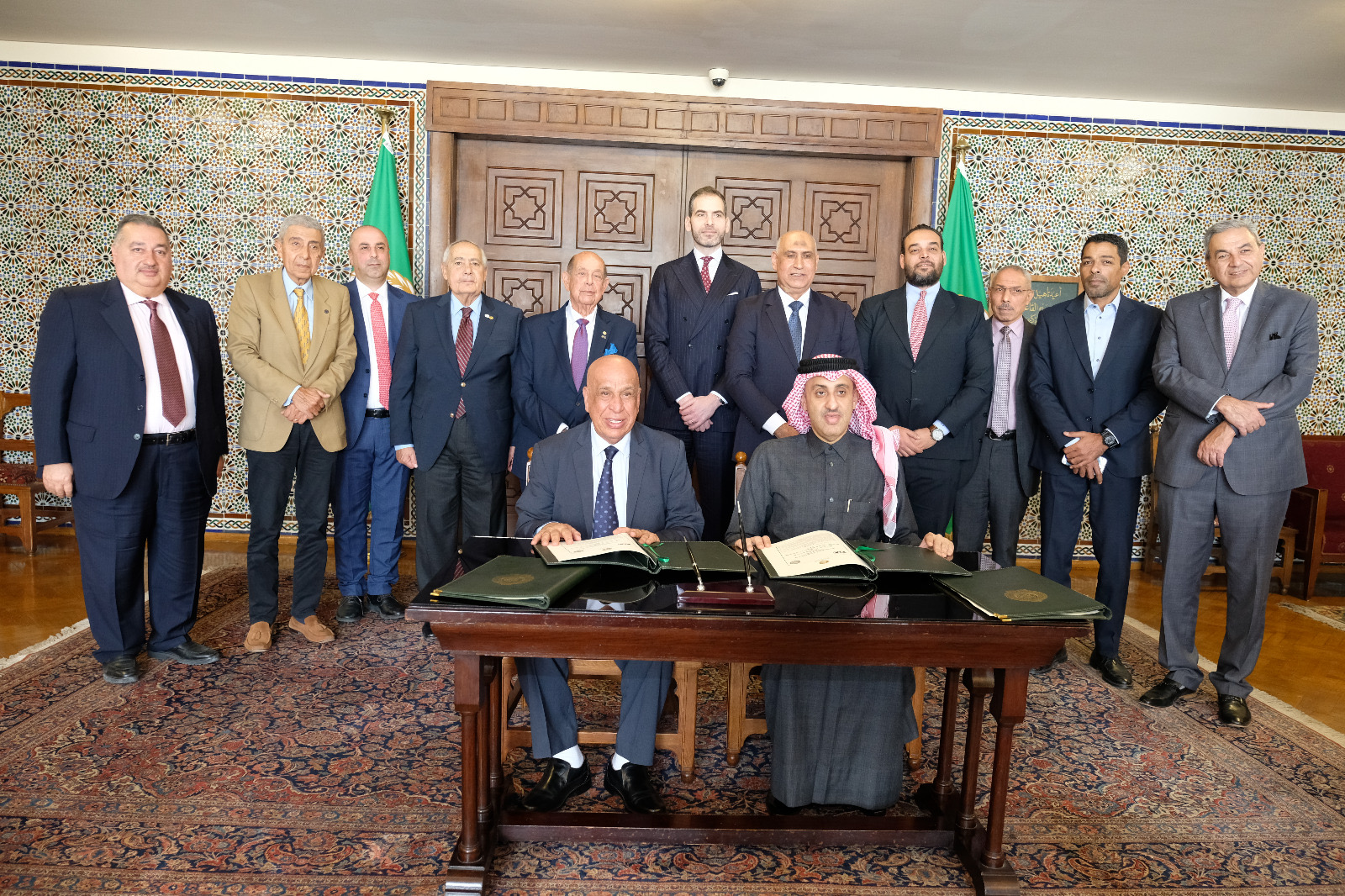
Signed at the League’s General Secretariat in Cairo, the agreement builds a framework for practical collaboration and knowledge sharing, creating closer links between the institutions and establishing a basis for engagement between the parties helping both organisations to identify priorities, develop joint activities, and amplify best practices.