

Regular maintenance extends industrial printer life by preventing premature component failure, reducing downtime, and ensuring consistent print quality through cleaning, lubrication, and timely parts replacement. Key practices include cleaning printheads, monitoring ink/toner, updating firmware, and using manufacturer-approved consumables. This routine minimizes unexpected breakdowns and costly repairs, maximizing return on investment.
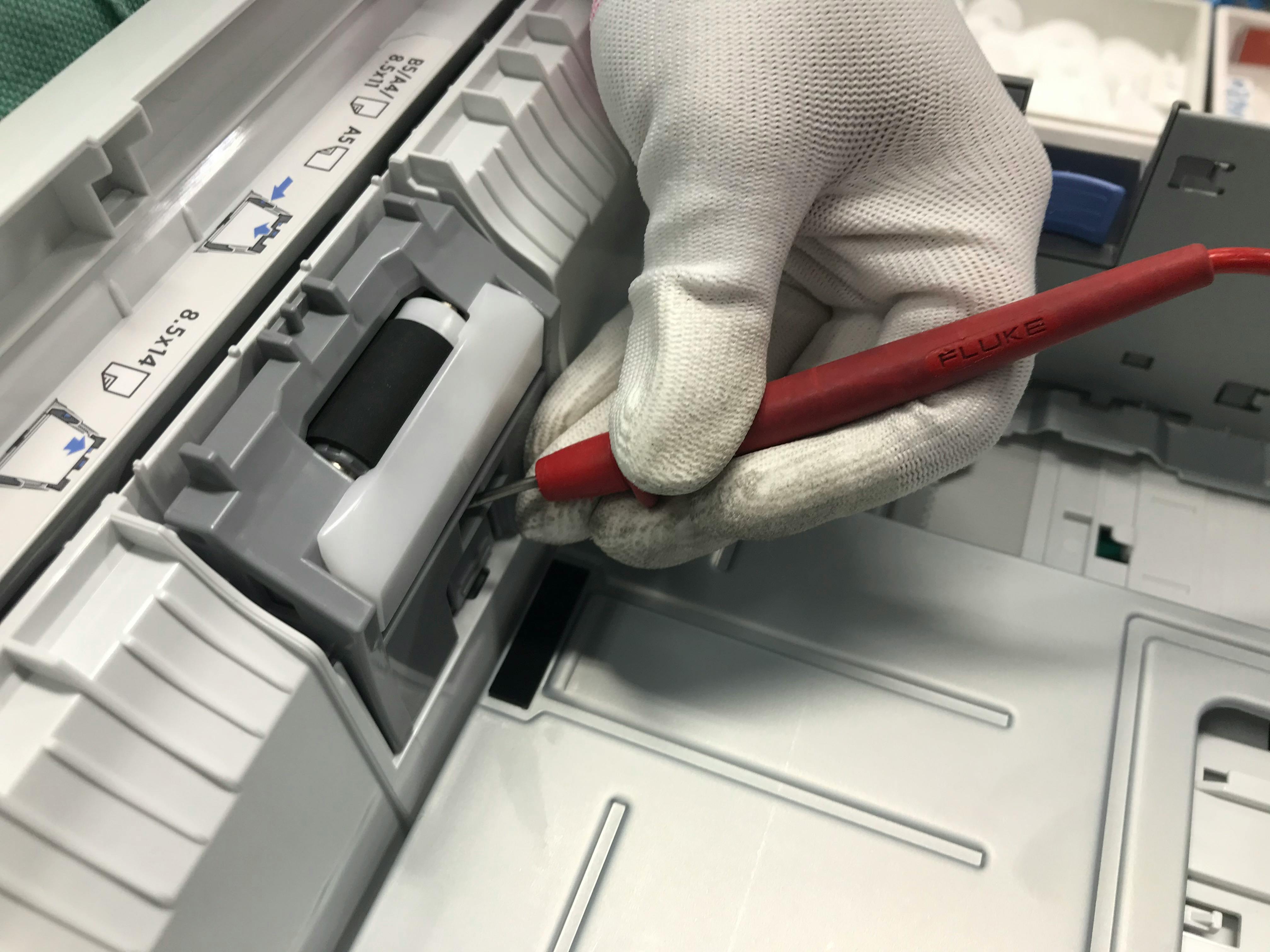
What is Preventive Maintenance?
Preventive maintenance refers to a systematic approach to maintaining equipment through routine inspections, servicing, and component replacements. The goal is to detect and resolve potential issues before they develop into serious mechanical failures.
For industrial printers, preventive maintenance typically includes:
-
Regular cleaning of internal and external components
-
Monitoring performance and print quality
Rather than reacting to breakdowns, preventive maintenance focuses on anticipation and prevention. Small maintenance actions taken regularly can prevent larger and more expensive problems from developing
Why Preventive Maintenance is Essential for Industrial Printers
Industrial printers operate in demanding environments. Many run continuously for long hours and produce thousands of prints every day. Over time, components naturally experience wear and tear.
Without proper maintenance, small issues can quickly escalate into serious problems. Dust accumulation, worn rollers, misaligned belts, and clogged print heads can all affect printer performance.
Preventive maintenance helps businesses address these issues early, ensuring the printer continues to operate smoothly and efficiently.
1. Extends Equipment Lifespan
Industrial printers are designed to be durable and reliable, but like any machine, they require proper care to reach their full lifespan.
Components such as belts, rollers, filters, and print heads gradually wear out with use. If these parts are not replaced at the right time, they can create additional strain on other components. Over time, this strain can cause larger system failures.
Businesses that follow consistent maintenance routines can extend the life of their printers significantly compared to those that rely only on reactive repairs.
2. Reduces Downtime and Production Interruptions
Downtime is one of the biggest challenges in industrial printing environments. When a printer stops working unexpectedly, production lines can come to a complete halt.
Routine inspections allow technicians or trained operators to detect early warning signs such as:
-
Unusual noises from mechanical components
-
Print misalignment
3. Maintains High Print Quality
Consistent print quality is essential in many industries. Labels, barcodes, packaging designs, and product information must be clear, accurate, and professional.
However, several factors can affect print quality over time. Dust buildup, dried ink, worn print heads, or damaged rollers can lead to problems such as:
-
Blurred or faded prints
-
Misaligned images or text
Regular cleaning of print heads and internal components helps prevent blockages and ink residue buildup. Replacing worn parts ensures that materials move smoothly through the printer without distortion.
4. Reduces Overall Maintenance Costs
At first glance, preventive maintenance may appear to be an additional operational expense. However, it actually helps businesses save money in the long run.
In contrast, preventive maintenance focuses on replacing smaller components before they cause larger issues. For example:
-
Replacing a worn roller is far cheaper than repairing damaged internal components.
-
Cleaning a print head regularly can prevent costly print head replacements.
Preventive maintenance also reduces indirect costs associated with downtime, such as production delays and lost revenue.
5. Improves Safety and Operational Reliability
Industrial printers are complex machines that include motors, moving parts, electrical systems, and high-speed components.
If these systems are not properly maintained, they can pose safety risks to operators and technicians.
For example:
-
Worn belts or misaligned components can cause sudden mechanical failures.
-
Overheated parts may damage internal systems.
-
Loose components may create operational hazards.
Key Preventive Maintenance Practices
Implementing a preventive maintenance program does not have to be complicated. By following a few essential practices, businesses can keep their industrial printers performing reliably.
1. Regular Cleaning
Dust, debris, and ink residue are common causes of printer performance issues.
Cleaning should include:
-
Print heads
-
Rollers
-
Ink systems
2. Proper Lubrication
Many industrial printers include moving mechanical parts that require lubrication.
Without proper lubrication, friction increases and components wear out faster.
Lubricating gears, bearings, and moving assemblies ensures smooth operation and reduces mechanical strain on the system.
Always use manufacturer-recommended lubricants to avoid damaging sensitive components.
3. Scheduled Part Replacement
Certain components naturally wear out over time and should be replaced on a scheduled basis.
Common high-wear parts include:
-
Drive belts
-
Print heads
-
Filters
Creating a replacement schedule based on usage hours or production volume helps prevent sudden failures.
4. Routine Equipment Inspections
Regular inspections are essential for identifying early warning signs of potential problems.
Operators should be trained to check for:
-
Unusual vibrations or noises
-
Inconsistent print quality
-
Misalignment or mechanical resistance
Early detection allows small problems to be addressed before they become serious failures.
5. Use High-Quality Replacement Parts
The quality of replacement parts plays a critical role in printer performance and longevity.
Low-quality or incompatible components may cause additional wear, reduce efficiency, or even damage the printer.
Using durable, well-engineered replacement parts ensures reliable performance and protects the machine’s internal systems.
Whenever possible, businesses should source parts from trusted suppliers that specialize in industrial printer components.
Final Thoughts
Industrial printers are vital assets in many modern production environments. They support essential processes such as packaging, labeling, product identification, and quality control.
The benefits are clear: longer equipment life, reduced downtime, consistent print quality, lower repair costs, and improved workplace safety.
Rather than waiting for problems to arise, businesses that adopt preventive maintenance strategies gain greater control over their operations and reduce the risks associated with unexpected equipment failures.
