

Indian Handicrafts Exports: How Artisan-Led Businesses Are Cracking Global Markets in 2026
By Surya Pillai
Introduction: India’s Silent Export Revolution
India’s export landscape is undergoing a quiet yet powerful transformation. Global trade is no longer dominated solely by large manufacturing giants or legacy exporters. In 2026, small businesses, first-time entrepreneurs, MSMEs, and niche brands are successfully tapping into international markets.
With the rise of digital commerce platforms, simplified government policies, improved logistics, and growing global demand for Indian products and services, exports have emerged as one of India’s most promising growth engines. What was once complex and capital-intensive is now accessible, scalable, and opportunity-rich.
India’s Export Growth Story: The Big Picture
According to government trade data, India’s combined merchandise and services exports have crossed USD 770 billion in recent years and are projected to reach USD 1 trillion annually in the near future.
While traditional sectors such as textiles, engineering goods, pharmaceuticals, and IT services continue to drive volumes, a new wave of growth is being powered by:
Niche and handcrafted products
Digital and professional services
Wellness, Ayurveda, and organic foods
Sustainable and eco-friendly goods
This shift is redefining exports as a viable pathway for modern Indian entrepreneurs.
Why Export Businesses Are Gaining Momentum in 2026
Several structural changes are accelerating India’s export potential:
1. Global Supply Chain Diversification
International buyers are reducing dependence on single-country sourcing, creating new opportunities for Indian suppliers across industries.
2. Digital Marketplaces Lower Entry Barriers
Platforms such as Amazon Global Selling, Etsy, Alibaba, and B2B export portals enable Indian businesses to reach global customers without traditional intermediaries.
3. Strong Government Support
Key initiatives supporting exporters include:
RoDTEP (Remission of Duties and Taxes on Exported Products)
Production Linked Incentive (PLI) schemes
Simplified digital export documentation
Improved port infrastructure and logistics corridors
4. Scalability and Forex Advantage
Export businesses scale faster than many domestic brands and earn in foreign currency, offering natural protection against local market fluctuations.
High-Potential Indian Export Business Ideas
India’s greatest export strength lies in its diversity and specialization. Entrepreneurs can enter global markets with relatively low capital through niche-focused models.
Top Export Opportunities from India
Handcrafted & Artisanal Goods
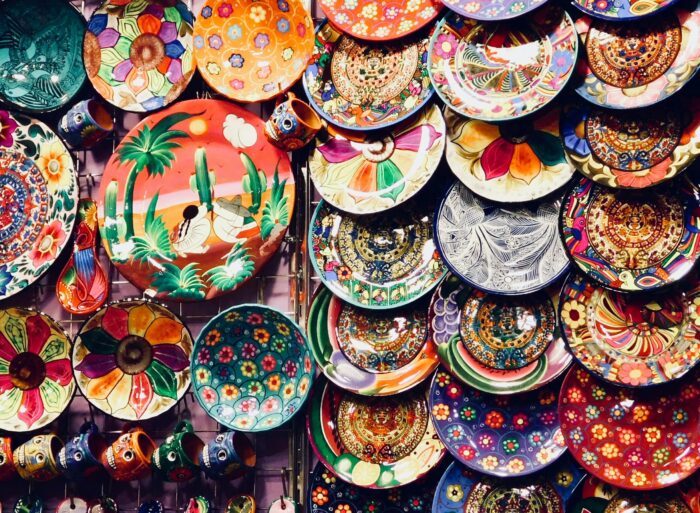
Handicrafts, ceramics, home décor, apparel, and jewelry—highly sought after in the US, Europe, and the Middle East.
Specialty Food Exports
Organic spices, millets, ready-to-cook mixes, Ayurvedic teas, and diaspora-focused Indian snacks.
Wellness, Ayurveda & Herbal Products
Rising global demand for natural, holistic, and plant-based health solutions.
Sustainable & Eco-Friendly Products
Bamboo goods, coir products, recycled materials, and eco-packaging.
Service Exports
IT services, digital marketing, design, consulting, online education, and SaaS—requiring minimal physical infrastructure.
The winning formula is differentiation—not volume, but storytelling, quality, certifications, traceability, and consistency.
Indian Exporters Who Got It Right
Across India, startups and small businesses are proving that export-led growth is achievable.
Jaipur-based handicraft brands selling through Etsy and D2C websites have built loyal North American customers by highlighting artisan stories, ethical sourcing, and craftsmanship.
Kerala spice exporters repositioned traditional spices as premium, organic, and traceable, enabling higher margins in international markets.
Tier-2 city IT firms in Indore, Coimbatore, and similar hubs now serve clients across Europe and Australia—proving that geography is no longer a constraint.
Digital contracts, remote delivery, and freelancing platforms have helped many small service providers evolve into full-fledged exporters.
Key Export Statistics That Matter
India ranks among the world’s top exporters of rice, spices, pharmaceuticals, textiles, and IT services
MSMEs contribute over 40% of India’s total exports
Compliance has eased due to digitized documentation and simplified procedures
Logistics efficiency is improving with port modernization, freight corridors, and faster turnaround times
These factors significantly reduce friction for first-time exporters.
Challenges in Exporting—and How to Overcome Them
Exporting is not without risks. Common challenges include:
International quality and certification standards
Currency fluctuations
Logistics delays
Payment and credit risks
Successful exporters manage these by:
Starting small and focusing on 1–2 target markets
Understanding country-specific regulations
Using export credit insurance
Partnering with reliable logistics and payment providers
Investing in branding and long-term customer relationships
Consistency and trust are critical for sustainability.
The Future of Indian Export Entrepreneurs
The future of Indian exports lies in value-driven, niche, and technology-enabled businesses. Entrepreneurs who combine India’s traditional strengths with modern branding, digital presence, and global compliance standards will lead the next wave of export growth.
Exporting is no longer reserved for large corporations. With the right strategy, even a small Indian business can serve global markets, earn in foreign currency, and build a resilient, future-ready enterprise.
Conclusion: India Is Ready for the World
For aspiring entrepreneurs, the message is clear: global markets are open, and India is ready to deliver. Export 2.0 is about accessibility, innovation, and confidence. Those who act now will define the next chapter of India’s global trade success.