

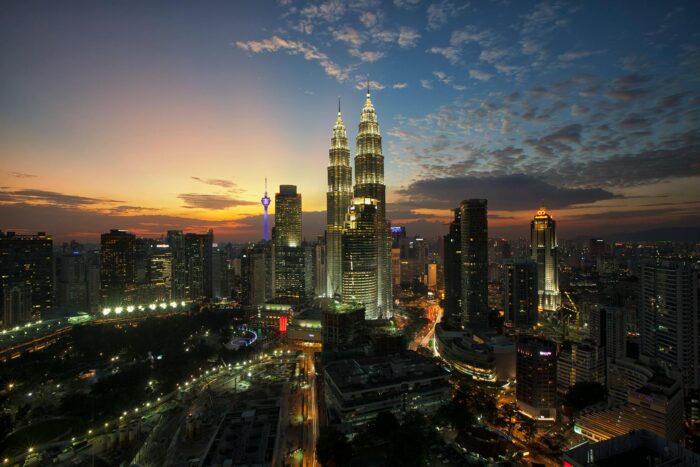
Mar 14: As global commerce continues to evolve, business travel is increasingly shifting beyond traditional financial centers. While established hubs remain important, companies are now exploring emerging destinations that offer new markets, growing industries, and attractive investment environments. For organizations seeking profitable expansion and strategic partnerships, identifying the right emerging business destinations has become a key component of travel planning.
In the current economic climate, businesses are prioritizing locations that combine economic growth, infrastructure development, and favorable business policies. These emerging destinations are rapidly transforming into important meeting points for entrepreneurs, investors, and multinational companies.
Why Businesses Are Exploring New Destinations
The dynamics of international trade and investment are constantly changing. As industries diversify and supply chains evolve, companies are seeking opportunities in regions that were previously overlooked.
Emerging business destinations often offer competitive advantages such as lower operational costs, expanding consumer markets, and supportive government policies designed to attract foreign investment. Improved connectivity, modern infrastructure, and the growth of innovation ecosystems are also making these destinations more appealing to global businesses.
For companies looking to diversify their international presence, exploring new locations can open doors to untapped markets and long-term partnerships.
Southeast Asia’s Growing Business Appeal
Southeast Asia has become one of the most attractive regions for business travel and investment. Countries across the region are experiencing rapid economic growth, supported by expanding manufacturing sectors, technology startups, and digital economies.
Cities such as Hanoi and Ho Chi Minh City in Vietnam are attracting global companies seeking manufacturing partnerships and technology collaboration. With competitive labor markets and improving infrastructure, Vietnam has become a key destination for businesses looking to expand their operations in Asia.
Similarly, Jakarta in Indonesia is gaining prominence as a regional economic hub, supported by strong domestic demand and government initiatives aimed at encouraging foreign investment.
Eastern Europe’s Expanding Startup Ecosystem
Eastern Europe is another region gaining momentum among business travelers and investors. Many countries in the region are emerging as innovation hubs with growing technology sectors and supportive startup ecosystems.
For example, Tbilisi in Georgia has become a preferred destination for entrepreneurs due to its business-friendly regulatory environment and expanding digital economy. The city has attracted technology startups, international investors, and creative industries seeking a dynamic and affordable business environment.
Likewise, Bucharest in Romania is gaining attention as a technology and outsourcing hub, supported by a skilled workforce and growing IT sector.
Africa’s Emerging Commercial Centers
Africa is also witnessing a rise in business travel as several cities develop into important commercial centers. Infrastructure development, digital transformation, and regional trade agreements are creating new opportunities for companies across industries.
Cities like Nairobi in Kenya are becoming technology and innovation hubs in East Africa. Often referred to as a gateway to the region, Nairobi hosts numerous startups, fintech companies, and international organizations.
Meanwhile, Accra in Ghana is gaining recognition as a growing business destination with expanding sectors such as finance, technology, and creative industries.
Middle-Income Economies Creating New Opportunities
Beyond traditional investment centers, several middle-income economies are strengthening their position as attractive business destinations. These countries are investing heavily in infrastructure, digital connectivity, and industrial development to attract international companies.
Strategic government policies, economic reforms, and improved transportation networks are enabling these destinations to compete globally for investment and talent. As a result, international business travelers are increasingly visiting these markets to explore partnerships and investment opportunities.
The Role of Business Travel in Market Expansion
For companies exploring new markets, business travel remains a critical tool for building relationships and understanding local environments. Face-to-face meetings with partners, suppliers, and government stakeholders help businesses evaluate opportunities more effectively than remote communication alone.
Visiting emerging destinations also allows executives to gain insights into local consumer behavior, industry trends, and regulatory conditions. These insights are essential for making informed investment decisions and building successful market entry strategies.
Conclusion
As global economic dynamics continue to shift, emerging destinations are playing an increasingly important role in international business travel. Cities across Southeast Asia, Eastern Europe, and Africa are attracting global attention due to their expanding economies, supportive policies, and growing innovation ecosystems.
For companies focused on growth and profitability, exploring these emerging business destinations can unlock new opportunities and strengthen global partnerships. In an interconnected world where markets evolve rapidly, strategic travel to emerging hubs may well define the next phase of global business expansion.
